Commercial Roofing for Insurance Restoration in Vallejo, CA
Commercial roof inspections and repair records for Vallejo insurance restoration scopes, with observed damage, prior conditions, and work limits separated.
Why Commercial Roofing Vallejo?
Commercial Roofing for Insurance Restoration in Vallejo, CA
An insurance-related roof scope needs a clear line between what was observed after an event, what was present before it, and what work will address the condition now. We inspect the assembly, photograph visible impacts, map each roof zone, and review available repair history without treating an interior leak as proof of its source. Summer highs in Vallejo's long-range normals fall around 85 to 87°F, while both July and August average no rain. Schedule the condition review before the wet season, then set repair scope from what the roof inspection documents. Before setting mobilization, confirm the property's lift location, delivery path, and entrance protection with its contact. The site review ties the repair scope to the roof and maintenance record. Claim documentation support can organize the roof findings for a restoration discussion, while public-agency scopes may also need records that fit formal review and procurement steps.
Separate Observations From Cause Conclusions
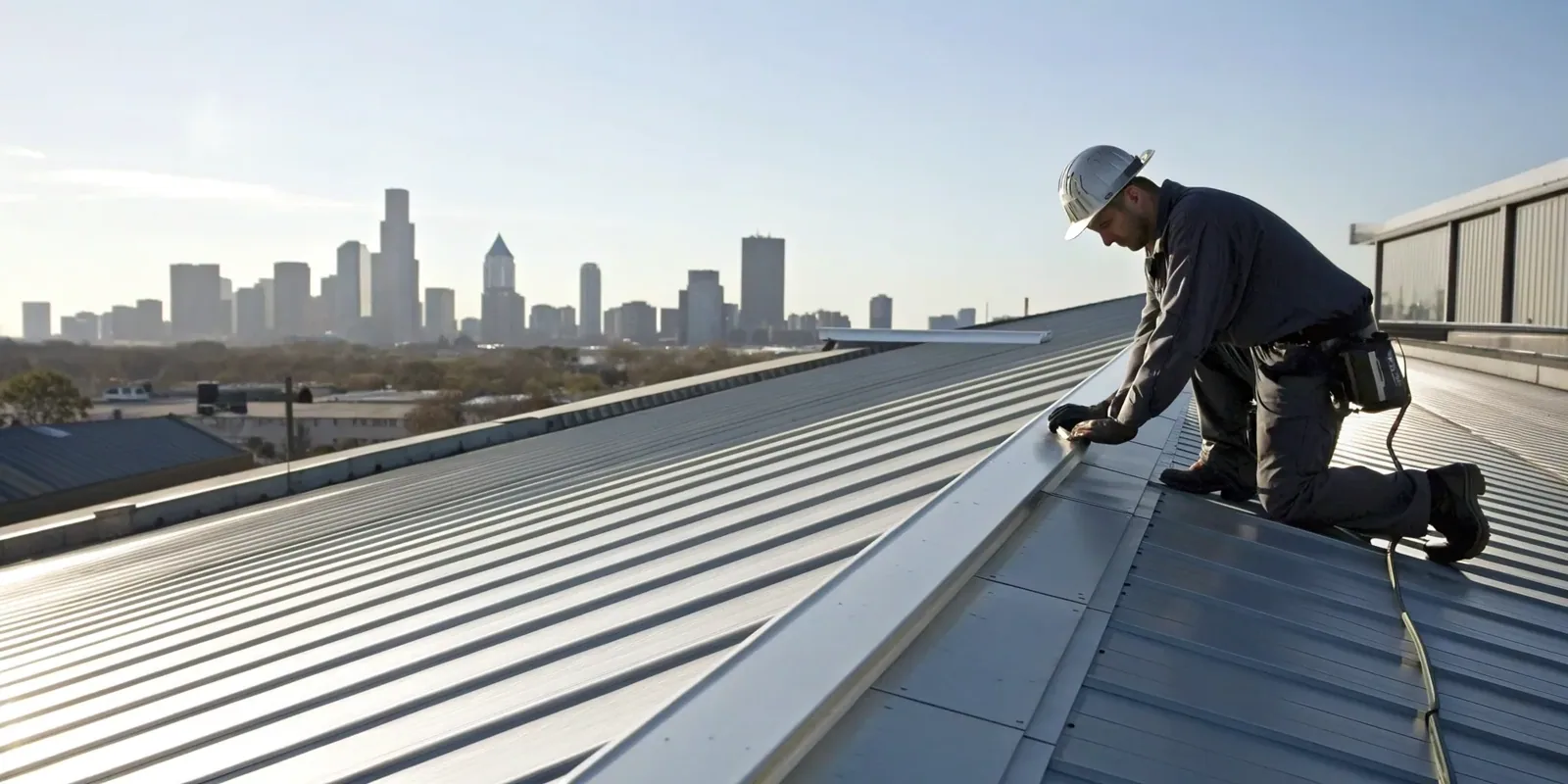
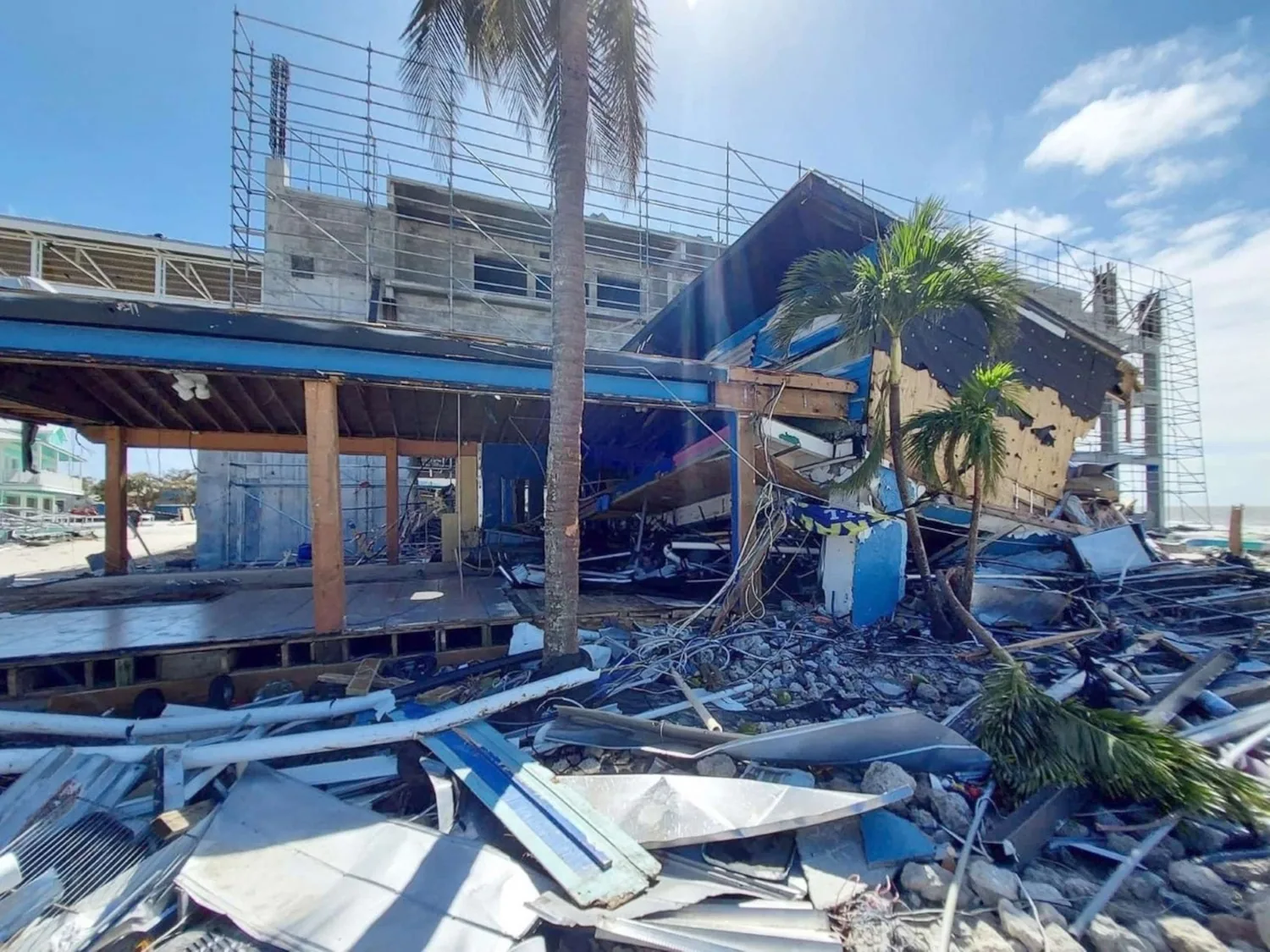
We record membrane punctures, displaced edge metal, open seams, damaged flashings, drain conditions, and impacts to rooftop equipment when they are visible. Each note includes the roof zone, photograph, and the condition observed during the visit. A comparison with earlier inspections or repair invoices can show whether a detail was already tracked, but missing history does not establish when damage occurred. We identify what the field record supports and what needs another test, document, or review. That keeps a restoration scope tied to evidence rather than to an assumed cause or coverage decision.
For a property on Mare Island, the incident file should keep roof-zone photographs, repair invoices, and any testing tied to the specific building. If crane or oversized-door operations affect material movement, we coordinate that access with the site contact; the district's mix of uses alone does not establish an insurance scope. At each property, we verify assembly and access, then photograph the affected zone and adjacent details. A commercial inspection can create a baseline for that review, while a condition report keeps images and recommendations together.
Trace the Water Path Before Setting the Repair Limit
Water can travel below a membrane before it appears on a ceiling, so the visible interior mark may be offset from the opening. We inspect nearby seams, penetrations, wall flashings, curbs, drains, and previous patches, then note which details align with the reported condition. If moisture may extend through insulation, targeted infrared imaging or a test opening can help define the repair boundary. We distinguish a confirmed opening from a suspected path and note where access is incomplete. That gives the owner and restoration team a more useful basis for deciding which materials to remove and what needs further testing.
Vallejo includes Springs Road, Tennessee Street, Broadway, and Sonoma Boulevard as corridors connecting city districts. When a portfolio includes several of these areas, keep each building's incident record, roof map, and repair history with its own scope. A flashing repair review or moisture survey can add evidence when water entry or concealed wet insulation remains uncertain.
Describe Work Without Deciding Coverage
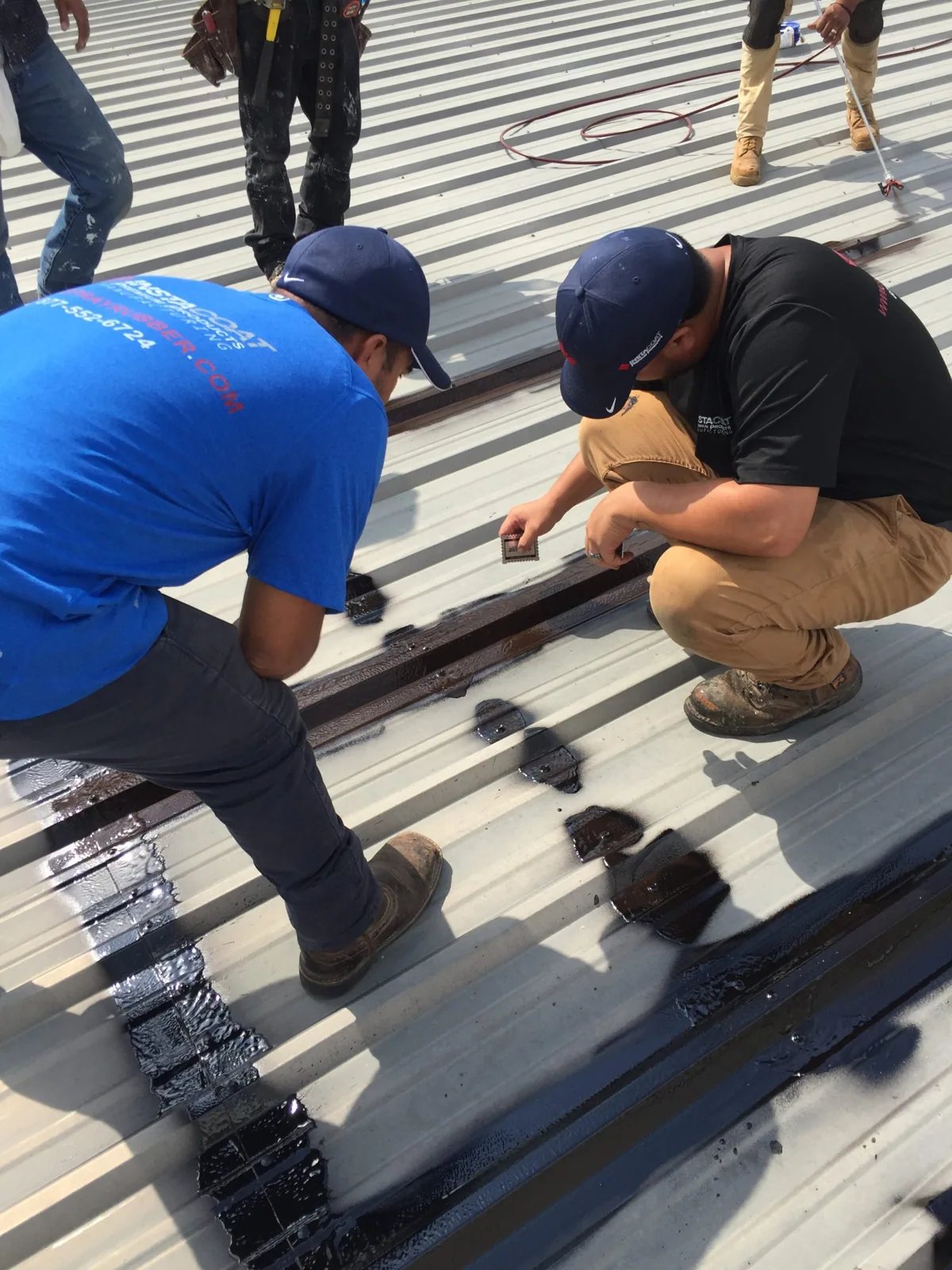
A repair scope describes the materials, roof zone, and work needed to restore the assembly. It may include temporary protection, removal around a damaged detail, compatible replacement materials, flashing, drainage corrections, and a closeout inspection. If the surrounding system has older deterioration or unrelated maintenance needs, those items should be recorded separately from the event-related work being evaluated. We can price an authorized repair and identify broader renewal options without presenting an insurance decision as our determination. The owner can then compare the repair boundary with policy, claim, and restoration requirements.
A local patch may fit when the impact is limited and surrounding material remains serviceable. A larger area may be warranted if testing shows moisture extending beyond the visible defect or if related details cannot be restored in isolation. We state the observed basis, exclusions, and unresolved conditions so reviewers can see how the proposed scope was formed. Storm-damage roof repair can address confirmed roof impacts, and emergency service can provide temporary protection while the permanent work is reviewed.
Coordinate the Site Walk and Review Package
The property contact can provide the incident date supplied to the team, interior photographs, prior repair records, access instructions, and any areas that need protection. We plan the walk to inspect roof zones near the report and note conditions elsewhere that affect the repair boundary. If an adjuster, consultant, general contractor, or facility manager is attending, we keep observations tied to locations so the parties can discuss the same detail. A shared review does not replace the independent policy decision or the owner's authorization of work.
At Downtown Vallejo properties, confirm roof-delivery routes, lift placement, and pedestrian access with the property contact before mobilization. We note delivery, lift, and public-entry constraints before repairs begin. At an occupied building, the manager identifies the entrance and operating window that must stay clear while material moves to the roof. A general contractor coordination for roof openings can align temporary dry-in and adjacent trades, while occupied Downtown Vallejo buildings may need a phased entrance plan.
Keep the Repair Record With the Building
The closeout file can include before-and-after photographs, material descriptions, repaired locations, drainage or flashing details, and any test results included in the approved work, alongside exclusions and accepted changes. We identify areas not accessed, items outside the scope, and follow-up needs. This record helps the owner distinguish completed repairs from prior conditions and future maintenance. It also gives a later inspector a reference for comparing a recurring leak with the repair boundary, rather than treating each visit as a new event without history.
Arrange a roof review with available plans, incident notes, repair history, access rules, and the restoration decision ahead. We will document the observable condition, identify any testing needed to establish a limit, and return a repair scope with photographs and exclusions stated. The owner can use that record in coordination with the claims and restoration process, then decide whether to proceed with a localized repair or a separate renewal plan.
Commercial Roofing Questions
Can a roof inspection determine whether damage is covered?
We can document visible conditions, likely water paths, repair history, and testing needs. Coverage is decided through the policy and claim review, not by the roof inspection. Our report separates what was observed from questions requiring another record or review.
What information helps before an insurance restoration site walk?
Share the reported event date, leak locations, interior photographs, prior inspections, repair invoices, access instructions, and any active protection. We use those details to plan the roof walk and compare them with current observations. The records provide context but do not replace field findings.
How do you document a roof condition that predates a claim?
We review available photographs, inspection notes, invoices, and maintenance records, then map current conditions by zone. The file identifies earlier documented repairs separately from newly observed impacts. If the history is incomplete, we state that gap rather than assigning a date without support.
Should temporary repairs be completed before the claim review ends?
Active water entry may require prompt protection to limit additional interior exposure. We document the observed issue and temporary work, then retain photographs and material notes for the building record. Permanent repair limits can be reviewed separately once the assembly and scope are clear.
What should a restoration repair proposal identify?
The proposal should state the roof zone, observed condition, removal and replacement limits, materials, temporary protection, exclusions, and any tests still needed. We connect the price to the repair boundary and note separate maintenance or renewal items so reviewers can evaluate each scope distinctly.
Document the Roof Condition and Repair Limit
Arrange a site walk with incident notes, prior repairs, plans, access rules, and the restoration review timing so the proposed work stays tied to observed conditions.
Request a Roof Assessment
Questions About Commercial Roofing for Insurance Restoration in Vallejo, CA
Common questions from building owners and property managers.
Can a roof inspection determine whether damage is covered?
We can document visible conditions, likely water paths, repair history, and testing needs. Coverage is decided through the policy and claim review, not by the roof inspection. Our report separates what was observed from questions requiring another record or review.
What information helps before an insurance restoration site walk?
Share the reported event date, leak locations, interior photographs, prior inspections, repair invoices, access instructions, and any active protection. We use those details to plan the roof walk and compare them with current observations. The records provide context but do not replace field findings.
How do you document a roof condition that predates a claim?
We review available photographs, inspection notes, invoices, and maintenance records, then map current conditions by zone. The file identifies earlier documented repairs separately from newly observed impacts. If the history is incomplete, we state that gap rather than assigning a date without support.
Should temporary repairs be completed before the claim review ends?
Active water entry may require prompt protection to limit additional interior exposure. We document the observed issue and temporary work, then retain photographs and material notes for the building record. Permanent repair limits can be reviewed separately once the assembly and scope are clear.
What should a restoration repair proposal identify?
The proposal should state the roof zone, observed condition, removal and replacement limits, materials, temporary protection, exclusions, and any tests still needed. We connect the price to the repair boundary and note separate maintenance or renewal items so reviewers can evaluate each scope distinctly.