Commercial Roof Due-Diligence Surveys in Vallejo, CA
Review Vallejo commercial roof records, visible conditions, access limits and open investigation questions for a property transaction or ownership decision.
Why Commercial Roofing Vallejo?
Commercial Roof Due-Diligence Surveys in Vallejo, CA
A transaction deadline can compress the time available for roof review, but it does not make concealed conditions known. A useful due-diligence survey states the buildings and areas examined, documents reviewed, visible findings and questions that need more access or investigation. We organize commercial roof review for properties in Vallejo, CA, so decision makers can see what the record supports.
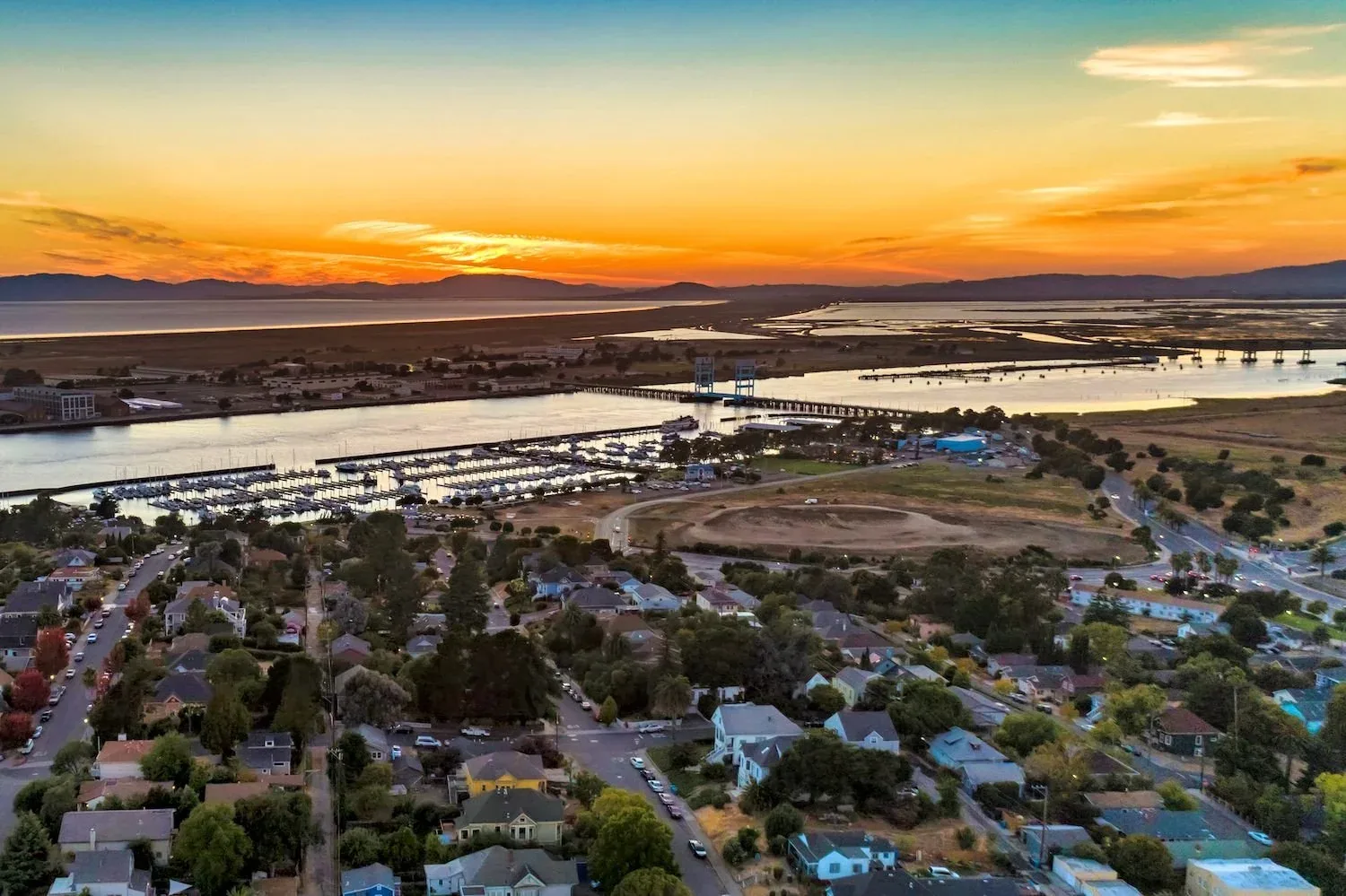
Vallejo's growth areas include Downtown/Waterfront, Mare Island, Sonoma Boulevard, Solano360, and neighborhood and employment corridors. Solano360 remains a proposed mixed-use area with review on hold. Transaction diligence should preserve that distinction and verify the parcel, project status, and roof condition independently.
The transaction team should decide how much additional examination is practical before closing and who can authorize it. A report can help frame that choice by listing requested records, access limitations and follow-up needs without presenting unobserved areas as resolved.
A buyer should receive the limitations along with the findings, not as a footnote detached from the decision. State the date of review, accessible roof zones, supplied records, missing items and the additional work that could materially change the current understanding. Where parties use different property names, reconcile each reference to the transaction address before circulating the final record.
Set the transaction question and scope
Clarify whether the review supports acquisition screening, a budget discussion, lender diligence or a specific concern raised during negotiations. Identify each building, roof area, deadline and access condition. A survey has more value when the report says what decision it was prepared to inform and what was outside that assignment.
Collect roof plans, prior condition reports, repair invoices, project closeouts and available maintenance records. Note which documents were supplied and their dates. A missing file is a diligence gap, not proof that no repair occurred or that the roof has a particular remaining life.
For a transaction involving the proposed Solano360 area, distinguish adopted plan context from current parcel status. Review of the proposal remains on hold; a roof survey should examine the actual property and avoid assuming the proposed development has proceeded.
Inspect visible conditions with clear limits
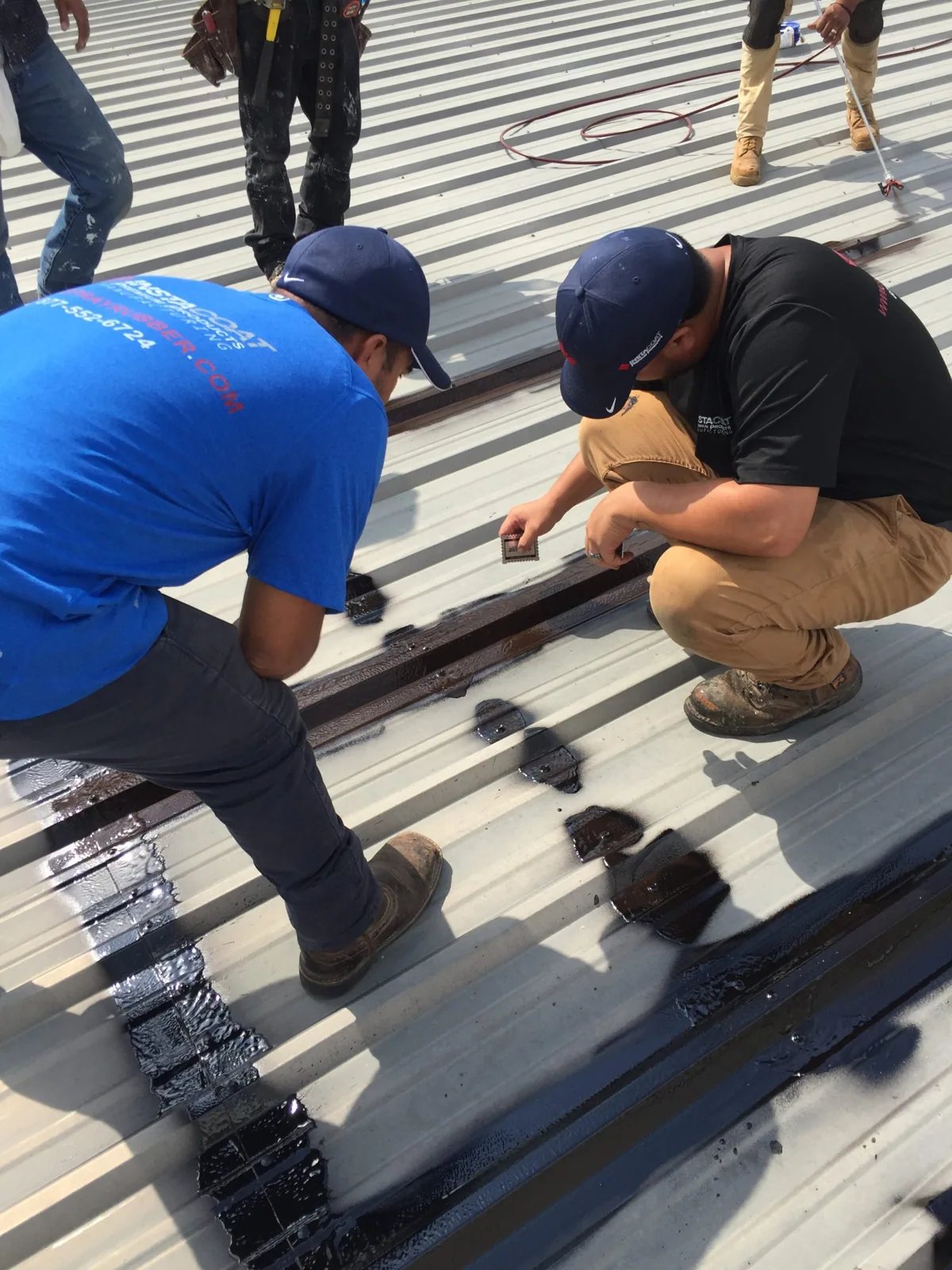
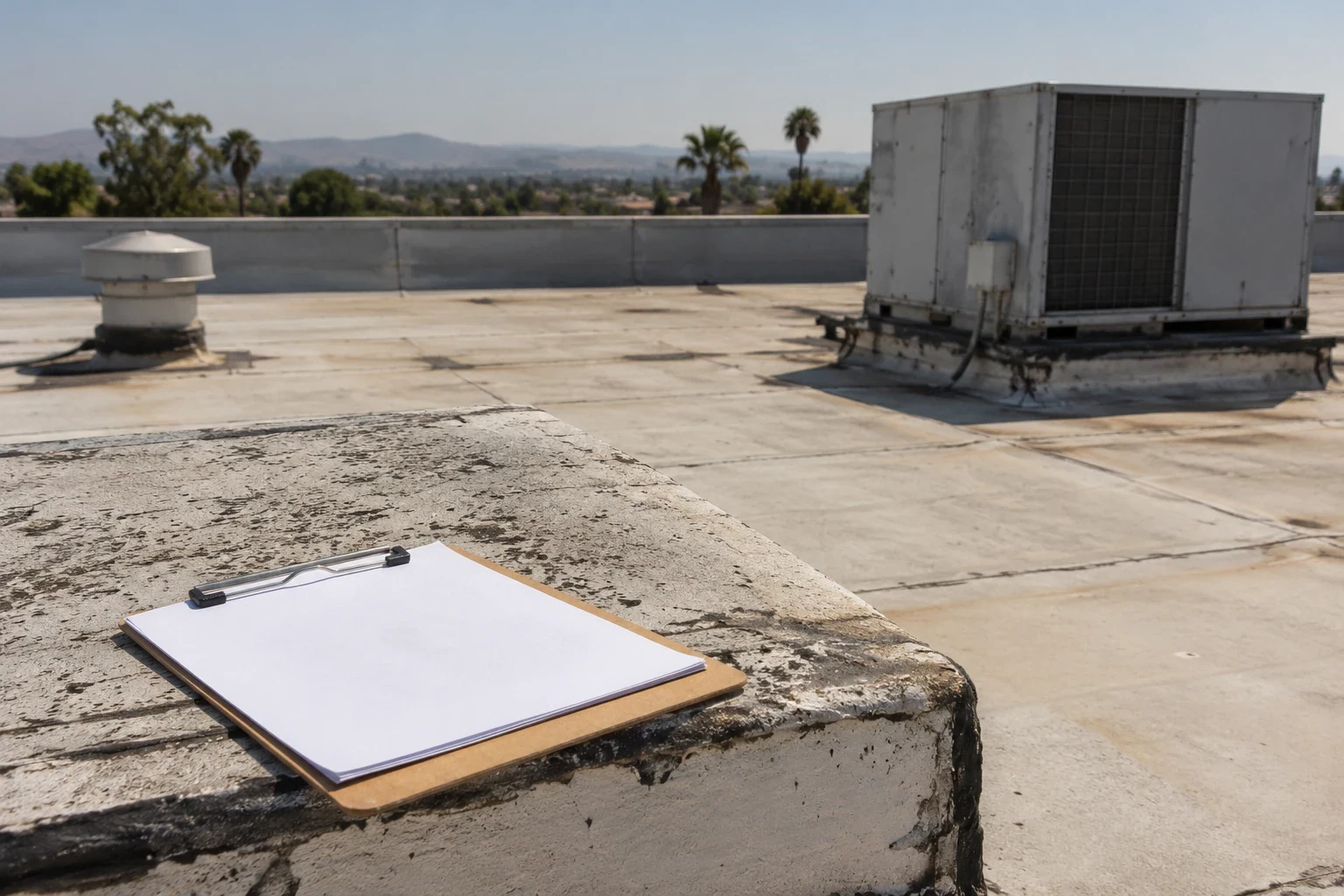
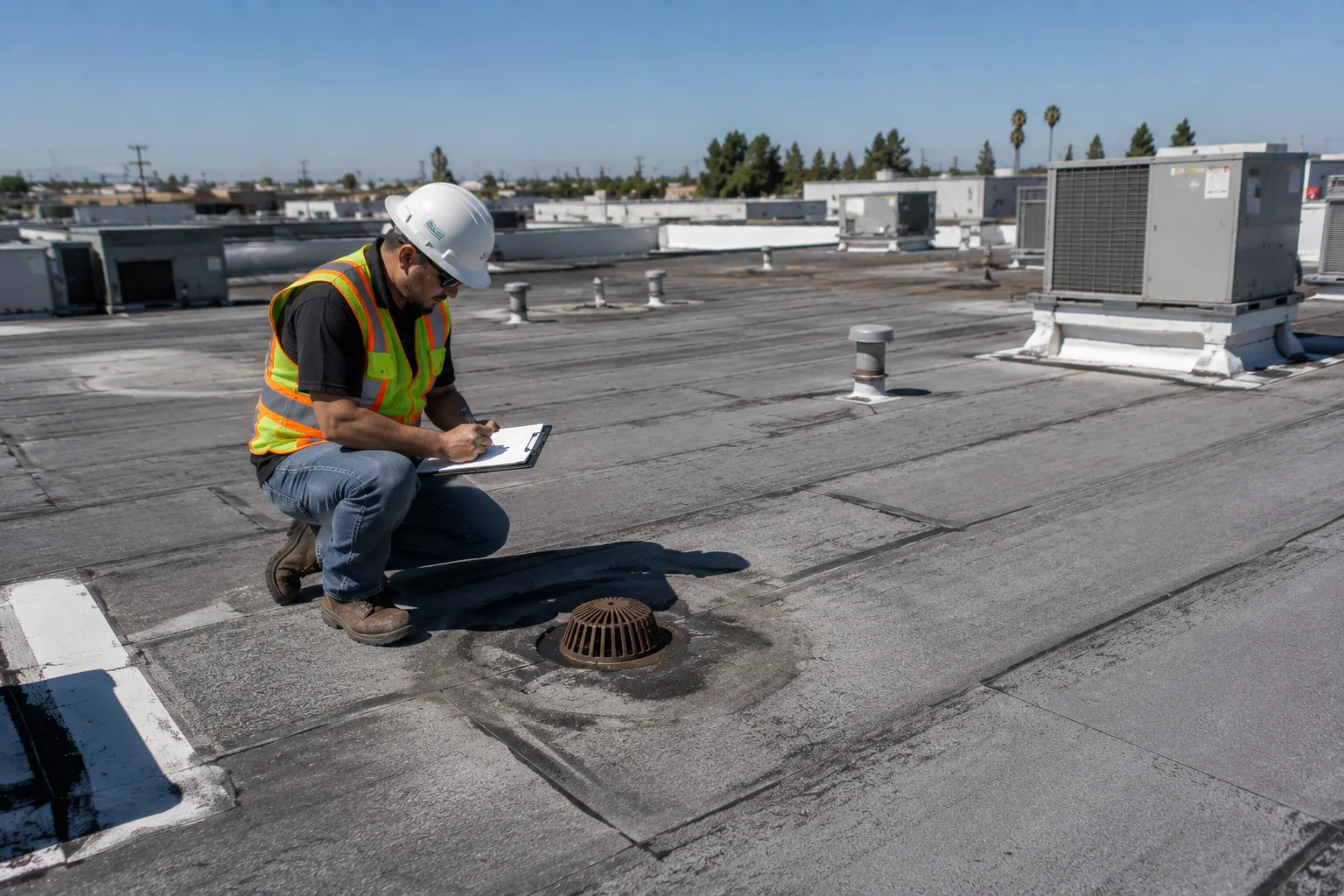
Document roof zones accessible during the visit and note areas blocked by equipment, weather, locked access or other constraints. Use located photographs and descriptions for visible conditions. If an area was not examined, show the boundary and the question it leaves open.
A survey can identify visible membrane separation, drainage concerns, edge conditions or prior patches, but a surface observation may not establish the concealed assembly. Separate the observed feature from an interpretation about cause or extent that needs testing or additional access.
A commercial roof inspection can provide current observations for the agreed scope. If moisture screening is considered, link it to an appropriate survey and confirmation plan rather than presenting screening indications as final quantities.
Reconcile records with the roof area
Compare the physical roof plan, project documents and supplied photographs. Look for mismatched building names, phased work, roof sections omitted from drawings and repairs identified only by a contractor invoice. Record discrepancies instead of choosing one document as correct without a basis.
For a Vallejo property near an employment corridor, verify the address and building footprint against the supplied property records. Tie each roof observation, permit record, and repair document to that individual asset before the buyer relies on it.
Mare Island includes office, retail, and industrial space, with properties that vary in features and use. That local building context may shape diligence questions, but the survey must confirm the construction and operations of the actual property under review.
Separate immediate work from future exposure
List confirmed maintenance needs, potential further investigation and longer-term renewal options separately. A buyer can then distinguish an observable repair from a possible concealed issue and a capital allowance that depends on assumptions not yet verified.
State what would change the recommendation: access to a blocked roof zone, opening of a defined area, confirmation of the assembly, review of an earlier project file or a separate specialist assessment. Avoid presenting a contingency as a known defect or treating absence of evidence as a clear condition.
A condition report and roof record can carry the observations into ownership planning. Keep the transaction survey itself tied to its defined date and access limitations.
Coordinate permits and project assumptions
If the review leads to proposed work, identify the project facts a designer or building official must confirm. Vallejo's 2025 California Building Standards Code applies to certain permits and plan-check submittals made on or after January 1, 2026; earlier submissions generally remain under the 2022 edition, subject to case-by-case rules.
Do not infer an applicable edition from a transaction date or site-plan milestone. The plan-check submittal date determines the code edition, not Planning Division design-review or site-plan approval dates. List the actual permit history and leave the determination to the responsible building professional.
Keep the survey focused on roof observations and diligence questions. A code note can signal a project-planning issue, but it does not decide whether a particular scope is compliant or whether a permit will be issued.
Write for the next owner and operator
Use a summary that names the building, roof area, examination date, accessible zones, principal findings and next actions. Keep technical detail in the body and make each recommendation traceable to a finding or a clearly stated limitation.
Include practical access and occupancy notes for follow-up. A roof opening may affect the rooms below, and work near operating equipment may require coordination. Identify who can approve entry and what information the buyer or operator must arrange before additional examination is scheduled.
For review near American Canyon or elsewhere in the Vallejo market, location context helps with coordination, while each transaction file retains its own property identifiers and records. Do not merge neighboring parcels into one assumed roof system.
For a seller or buyer with a limited access window, prioritize roof zones above critical operations and locations with active leak reports. Name the person who will arrange any follow-up opening and the date its result should return to the transaction file. This keeps an unresolved condition visible when the closing timetable moves.
Deliver an evidence-linked closeout
Provide the survey, photographs, marked plan, documents reviewed, unresolved questions and recommended next step together. Label the report date and purpose so it does not silently become a current condition assessment after later roof work or a changed operating situation.
When the owner authorizes further investigation, keep that work separate and add the resulting documentation to the file. A later survey can then distinguish what was visible during diligence from what became known after access, testing or project opening.
Invite the buyer, owner or property representative to share available roof plans and prior work records before a property investment review. The survey can then give a reasoned account of observed conditions, evidence limits and practical follow-up.
Commercial Roofing Questions
Does a roof survey establish every concealed condition?
No. It should define the access and examination performed, then identify concealed questions that require further access, testing or investigation.
Can a transaction deadline remove report limitations?
No. State what could be examined by the deadline and what could not. A schedule does not turn an inaccessible area into a confirmed condition.
How should missing roof records be treated?
List the records requested and received, then identify the gap and any practical follow-up. Missing documents do not establish that work did not occur.
Does a site plan approval determine Vallejo code edition?
For Vallejo permits, the building-permit plan-check submittal date determines the applicable code edition, subject to transition rules and case-specific review.
What should happen after a survey identifies an open question?
Assign the next examination or document request, identify access needs and keep the original survey boundary visible in the transaction record.
Connect the Survey to the Transaction Decision
Share roof plans, inspection records, repair history, access needs, and the transaction deadline. We will identify a practical next examination for the assigned Vallejo property or portfolio.
Request a Roof Assessment
Questions About Commercial Roof Due-Diligence Surveys in Vallejo, CA
Common questions from building owners and property managers.
Does a roof survey establish every concealed condition?
No. It should define the access and examination performed, then identify concealed questions that require further access, testing or investigation.
Can a transaction deadline remove report limitations?
No. State what could be examined by the deadline and what could not. A schedule does not turn an inaccessible area into a confirmed condition.
How should missing roof records be treated?
List the records requested and received, then identify the gap and any practical follow-up. Missing documents do not establish that work did not occur.
Does a site plan approval determine Vallejo code edition?
For Vallejo permits, the building-permit plan-check submittal date determines the applicable code edition, subject to transition rules and case-specific review.
What should happen after a survey identifies an open question?
Assign the next examination or document request, identify access needs and keep the original survey boundary visible in the transaction record.