Roof Warranty Management in Vallejo, CA
Keep Vallejo roof warranty documents, maintenance records, repair history and open questions organized for building-level review and service coordination.
Why Commercial Roofing Vallejo?
Roof Warranty Management in Vallejo, CA
Warranty paperwork is most useful when it can be matched to the roof area and work it describes. A file name or expiration date alone may not answer which assembly is covered, what maintenance record is available, or who should review a reported concern. We organize commercial roof warranty records for Vallejo properties around those practical questions.
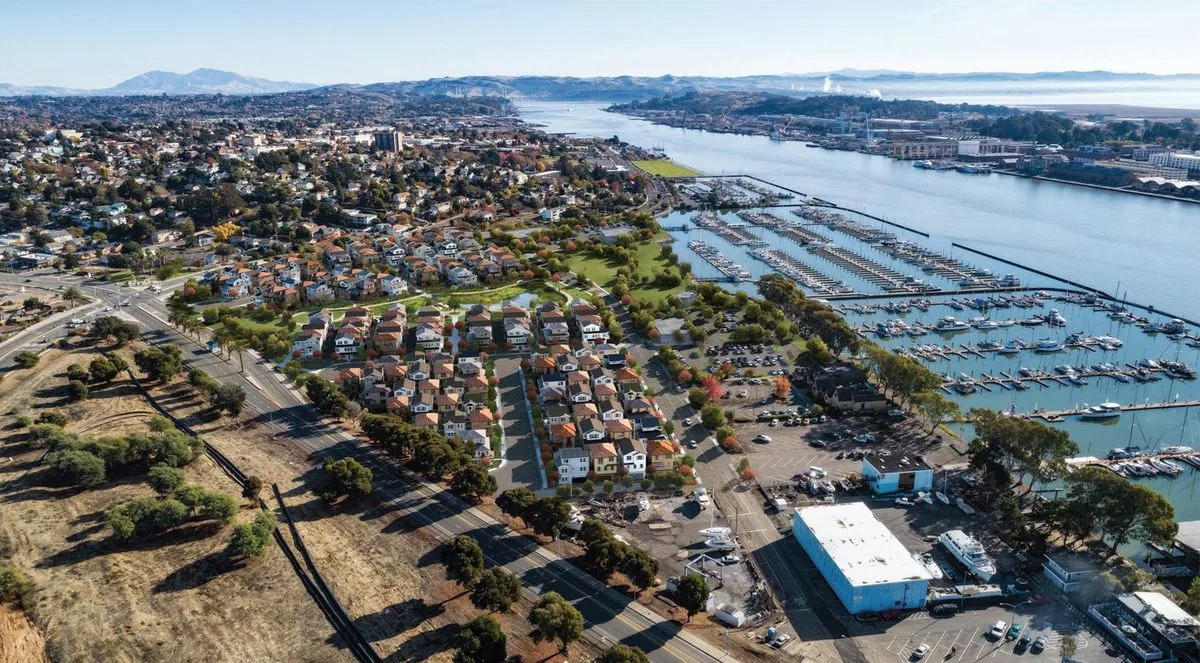
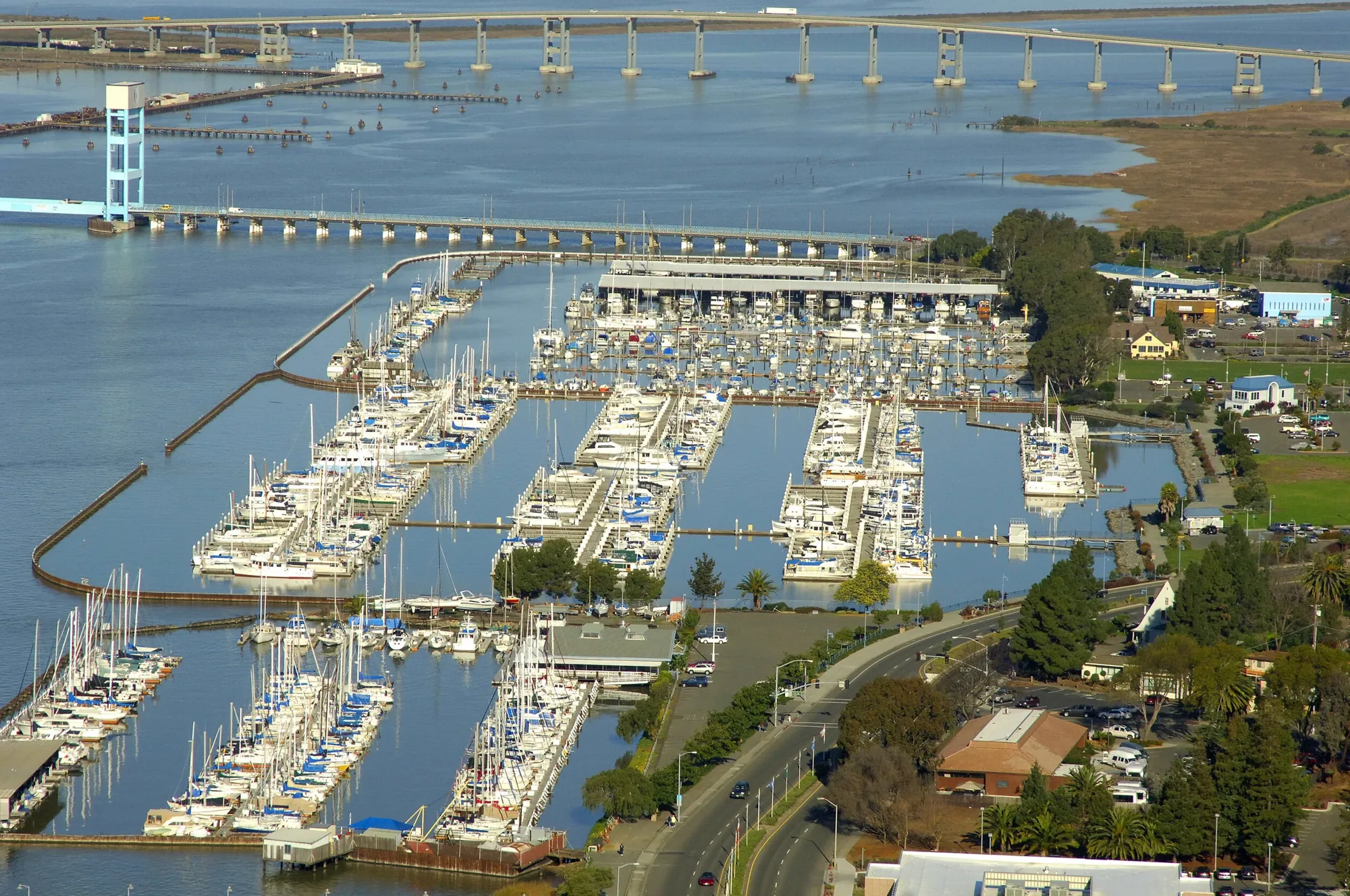
Mare Island and Vallejo Waterfront include diverse commercial contexts, while Downtown and neighborhood corridors add other building uses. A portfolio file should not assume that one document covers every roof section or that a dated form establishes current condition. The record must retain its own scope, scope and open questions.
A sound document index lets a facilities lead retrieve the controlling file before arranging work. It should name the property and roof area, show when the document entered the record, and distinguish a confirmed project document from notes that still require review by the responsible party.
Keep this index operational rather than archival only. A contact should be able to search by property, roof phase and document type, then see what was received, what is missing and who must resolve an open interpretation before repair planning proceeds.
Collect the document set by roof area
Gather available warranty documents, project closeout files, product and assembly information, repair invoices, maintenance records and correspondence. Identify the building and roof zone associated with each item. If the paperwork covers a project phase rather than the whole roof, retain that boundary in the index.
Record who supplied each document and when it was received. Keep the original file alongside an index summary so later reviewers can see the actual language, dates and conditions. An owner note can help locate a file, but should not be treated as a substitute for the document.
A condition report can connect present observations with the historical record. Keep current inspection notes distinct from warranty administration so a past document does not become an unsupported statement about current roof performance.
Identify the roof and project scope
Before organizing coverage questions, compare the document with roof plans, closeout notes and available assembly details. Verify the property name, installation area and relevant phase. A replacement or overlay may have changed only part of a roof, leaving more than one record set applicable to the building.
Where identification is incomplete, label it for confirmation. Do not infer coverage from a membrane type, a prior contractor note or a visible product label alone. The responsible reviewer may need the original project documentation or a building-specific site assessment to resolve the mismatch.
On mixed office, retail and industrial properties, operational zones can help locate a roof section but are not coverage terms. Keep a map or roof plan reference so maintenance staff and the document reviewer are discussing the same area.
Track requirements without inventing coverage
Summarize relevant dates, named contacts, maintenance records and submission steps only from the actual documents. If a requirement is unclear, quote or flag the question for the responsible warranty administrator rather than creating a general rule that may not fit the project.
Use a calendar reminder for review and document gathering, not as a promise that coverage continues or that a condition will be accepted. A date in a file should be confirmed against the complete record before anyone relies on it for repair planning or a financial decision.
Keep maintenance observations with the building file. A maintenance visit records what was observed and completed; it does not, by itself, decide coverage. Separate those functions while making the supporting documents easy to retrieve.
Route a reported concern carefully
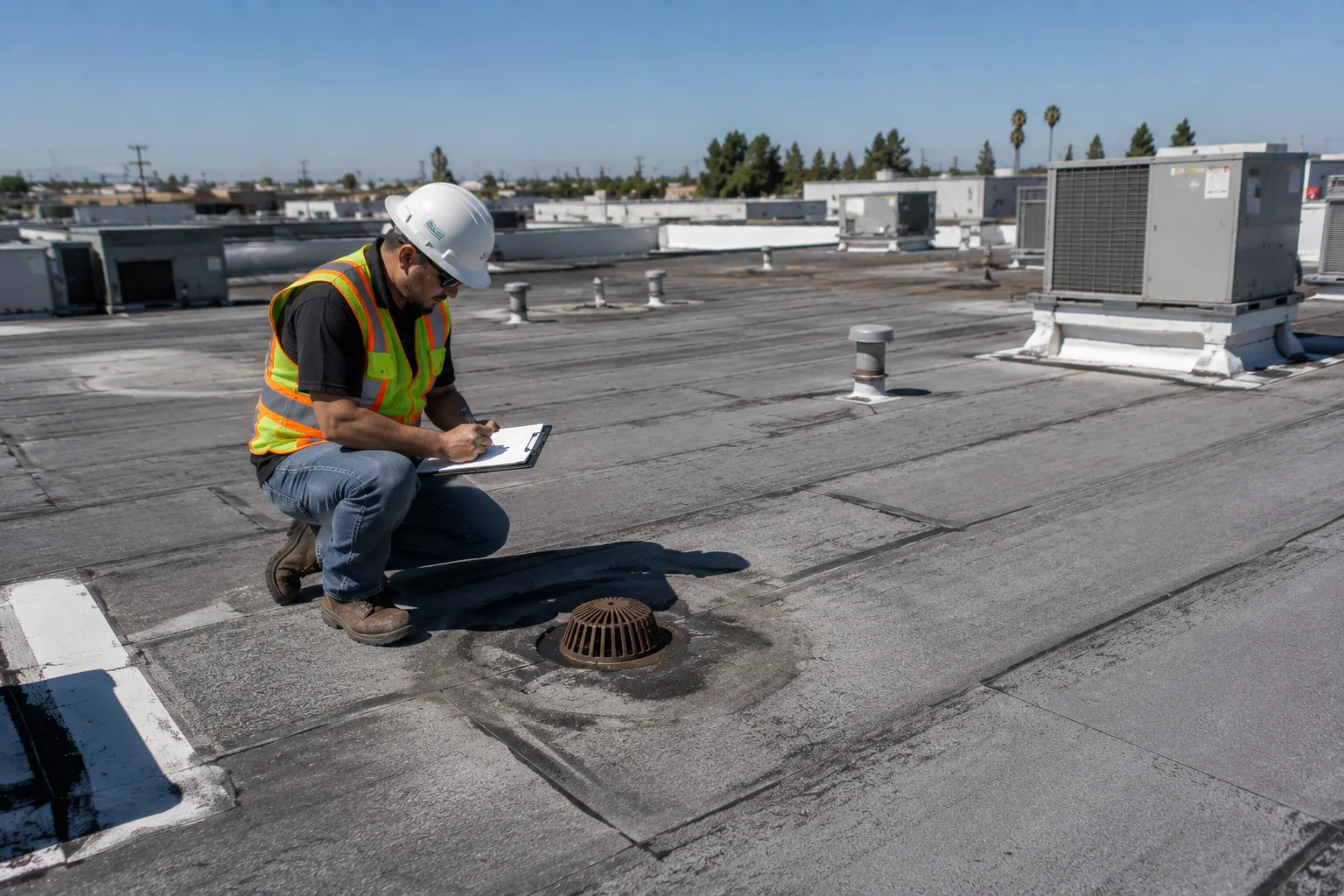
When a concern is reported, capture the building, roof area, date, weather or operating context if known, and interior impact. Arrange an appropriate inspection and preserve photographs or repair notes. Avoid describing cause, coverage or responsibility before the actual condition and document language have been reviewed.
For an active leak, operations may require a temporary response while the owner gathers project records. Keep immediate mitigation, permanent repair options and any coverage inquiry on separate tracks. Record who approved each step and which documents were supplied for review.
A building-level inspection can establish visible observations and access limits. The file can then connect those findings with the relevant closeout documents without treating a Diligence Notes as an administrator decision.
Preserve repair and maintenance history
Attach each completed repair to the location it addressed, along with available material information, invoice, date and closeout photographs. If the repair was limited or temporary, describe that boundary. Later reviewers should not confuse a single detail correction with work across the full roof.
Keep unresolved maintenance items visible beside the completed record. A task can be closed when its actual scope is confirmed, while a separate observation remains scheduled for further review. This prevents a clean invoice folder from implying that every roof concern was resolved.
Property records in Vallejo Waterfront or the Curtola employment area still need a building-specific identifier. A district helps route the site walk; the roof plan and project documents determine the relevant file.
Support the contact and escalation path
List the property contact, maintenance lead, document custodian and the person who can request a formal review. Their roles may sit with different teams. A current contact list reduces delay when a roof concern must be matched with prior project records.
Make the escalation path practical: which information to gather, where the roof record is stored, and who should review a question that cannot be answered from the file. Do not direct an employee to make a coverage determination or alter a roof assembly based on a summary alone.
For public agency facilities, retain appropriate record handling and approval steps. The file should be available to authorized personnel while preserving the original documents and the history of any later interpretation or correspondence.
Maintain a clean closeout record
After project work, store the final scope, relevant product data, roof plan markups, maintenance instructions and available closeout photographs with the correct property. Identify missing deliverables explicitly and assign follow-up rather than marking the project file complete by assumption.
Review the index when a new repair, roof survey or property change occurs. A roof asset record can hold the cross-reference, while the actual documents stay preserved in their appropriate project or building file.
Invite the owner to provide the roof plan, repair history and current concern for a Mare Island or other Vallejo property review. The next step is to organize the facts that exist and identify the question that still needs a responsible review.
Commercial Roofing Questions
Does a warranty summary replace the original document?
No. Keep the complete original document document and use an index to identify its roof area, dates and questions. A summary should help a reviewer find the controlling language.
Does a maintenance visit confirm warranty coverage?
A maintenance record documents observed and completed work. Coverage questions need review against the actual project documents and the administrator or other responsible party.
What should staff capture when a leak is reported?
Record the building, roof area, date, interior impact and available photographs, then arrange appropriate inspection. Keep cause and coverage conclusions open until reviewed.
Can one file cover an entire property?
Only if the project records support that scope. A building may include phases, additions or roof zones with different documentation, so retain the documented boundary.
How should completed repairs be recorded?
Keep the date, location, task boundary, materials and available closeout evidence with the building record. Leave separate open items visible for later review.
Match the Warranty File to the Roof Section
Provide the issued warranty, closeout file, and maintenance log. We will check building and roof-area references before the next service visit is priced.
Request a Roof Assessment
Questions About Roof Warranty Management in Vallejo, CA
Common questions from building owners and property managers.
Does a warranty summary replace the original document?
No. Keep the complete original document document and use an index to identify its roof area, dates and questions. A summary should help a reviewer find the controlling language.
Does a maintenance visit confirm warranty coverage?
A maintenance record documents observed and completed work. Coverage questions need review against the actual project documents and the administrator or other responsible party.
What should staff capture when a leak is reported?
Record the building, roof area, date, interior impact and available photographs, then arrange appropriate inspection. Keep cause and coverage conclusions open until reviewed.
Can one file cover an entire property?
Only if the project records support that scope. A building may include phases, additions or roof zones with different documentation, so retain the documented boundary.
How should completed repairs be recorded?
Keep the date, location, task boundary, materials and available closeout evidence with the building record. Leave separate open items visible for later review.