Holcim Elevate Roof Record Review in Vallejo, CA
Review Vallejo Holcim Elevate roof references by document date, building area, recorded assembly, repair history and current field evidence.
Why Commercial Roofing Vallejo?
Holcim Elevate Roof Record Review in Vallejo, CA
A Vallejo, CA roof file may contain documents from different project dates and naming conventions. If a record references Holcim Elevate, first establish what building area and work phase it covers. We help property teams review those records alongside current observations so brand terminology is not mistaken for a full assembly description.
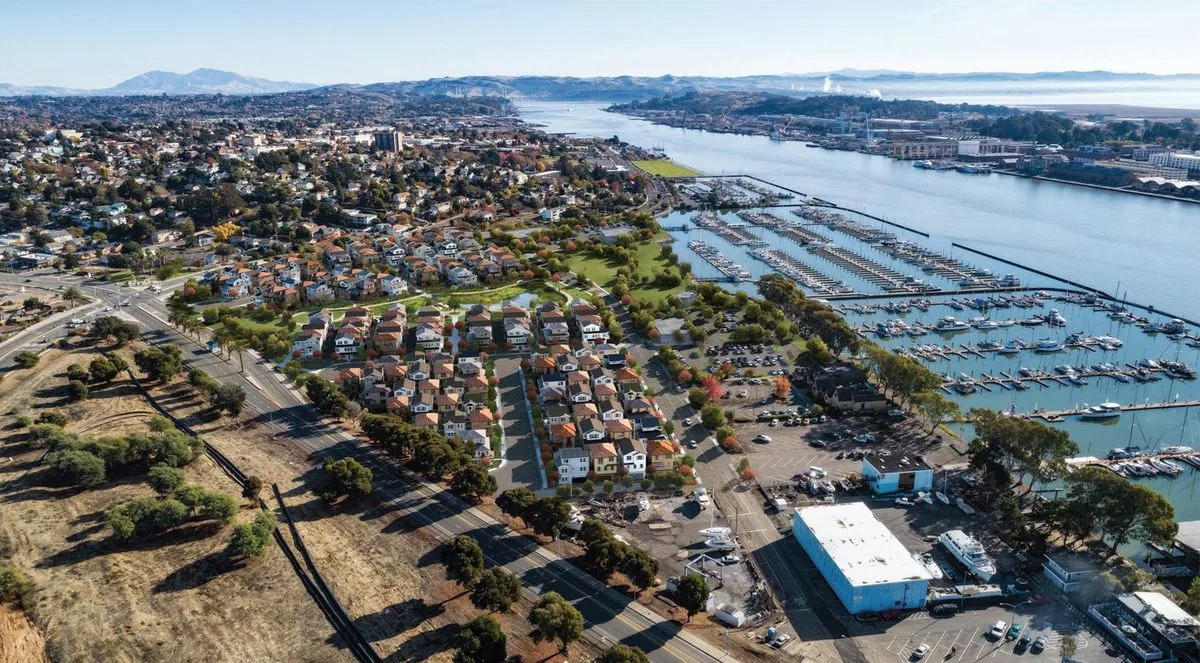
The asset manager needs a traceable record: the original file, its date, the property and roof zone, later repairs and any open questions. Mare Island, Downtown, and waterfront properties can have different access needs, while the roof plan and site examination establish the facts for the building under review.
A comparison with GAF or Carlisle SynTec records is useful only when each document has a confirmed property and project boundary. A Vallejo Waterfront location can help arrange access, but the roof plan still needs to identify the actual section and responsible contact. Keep any legacy wording intact in the archive, then add a dated note that explains what was checked and what remains an open question for the owner or document administrator.

Keep historic and current records legible
Preserve the supplied document in its original form and record the date, source, project name and roof area it appears to cover. If a file uses an older company or product name, note that as written and ask the responsible project contact to clarify any later naming or organizational changes.
Keep the original language in the asset file so an owner can determine what was purchased, specified, or warranted at the time. A summary can help locate the file, but should not replace it.
For each building, connect the document with the roof plan and any phase boundaries. If the record omits location detail, mark that gap and identify what additional project records or field observations could match it to the roof.
Confirm the roof section under review
Identify the property address, roof-zone label and access route before comparing a manufacturer reference with conditions. A commercial property may contain several additions or a partial reroof. The same site name can appear on files that apply to different sections or dates.
Record the observed surface and visible details without presuming hidden layers. If prior repairs changed a portion, map their location and document source. A roof name alone should not be used to extend an assembly description beyond the evidence.
A roof asset inventory can organize files by building and zone. Attach a current condition record to show the date, inspected area and remaining access limits.
Evaluate visible findings without overreading
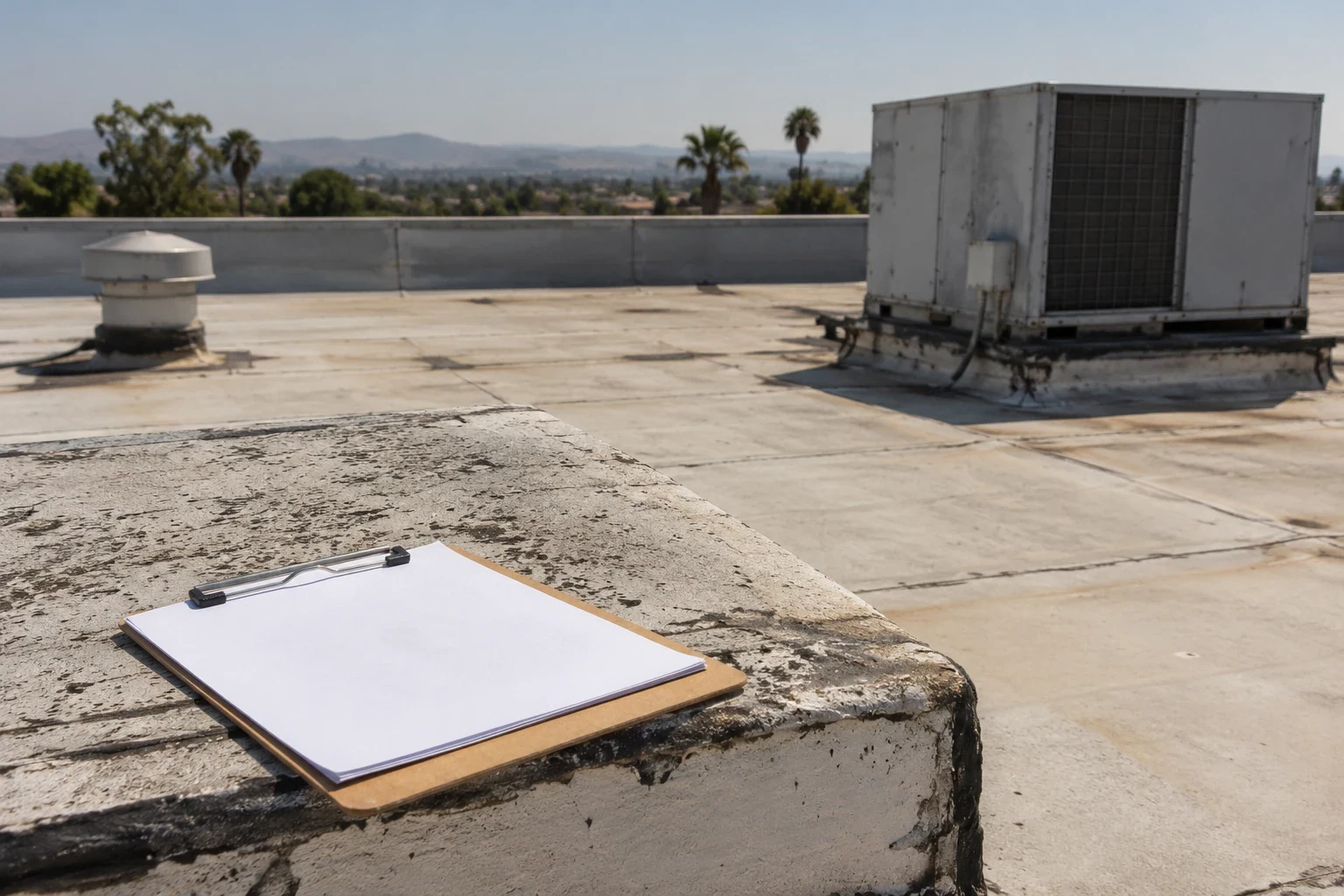
Locate seams, edges, penetrations, drains and transitions on a marked roof diagram. Use photographs that show both the detail and its position. Separate what was visible from any hypothesis about water path, moisture extent or material condition beneath the surface.
If more information is needed, define the test or access that could answer the question. A blocked area, covered detail or inaccessible interior should remain listed as a limitation. The report should not imply a complete examination when a portion could not be seen.
For moisture questions, a screening plan may help organize follow-up, but interpretation and confirmation depend on suitable site conditions and direct examination where required.
Review repair options against records
Define the observed repair area, adjacent construction and preparation needs before selecting a material. If the document set refers to Holcim Elevate but the current assembly is uncertain, keep the scope provisional and specify what needs verification before work begins.
Keep temporary protection and permanent work as separate tasks. Record whether the repair addresses one seam, flashing, drainage detail or broader zone. A later reviewer can then understand the boundary and avoid treating a limited correction as an overall roof evaluation.
A commercial repair assessment can describe a located task. If conditions involve multiple roof sections, a separate inspection scope should show the added areas and access being reviewed.
Handle warranty material with its actual scope
When the owner supplies a warranty or project closeout document, retain the full file and list the property, date, named area and stated term if present. Avoid summarizing coverage beyond the wording provided. Questions about eligibility or response should be directed to the administrator or responsible party.
Current field observations and document interpretation are different records. An inspection may describe a visible condition and its access limits; another reviewer may decide how the submitted document applies. Keep the report factual and preserve the correspondence that follows.
A warranty management record can identify missing materials and contacts. Continue maintenance documentation with the date and work actually completed, not a general conclusion about coverage.
Plan the visit around the building
Confirm roof entry, site contact, equipment, occupied rooms and any local safety or escort rules before scheduling. Vallejo has commercial office, retail and industrial spaces, including on Mare Island. The property’s operating role may influence access or staging but does not establish the roof assembly or current condition.
If a roof opening or interior investigation is contemplated, coordinate the affected room, contents and responsible person in advance. Do not assume that roof access includes permission to enter a controlled space below or that a shared district contact can approve every building.
Keep tenant impact, work hours and emergency access as site-specific considerations. A plan developed for one waterfront or Downtown property should not be copied to another facility without confirmation by its current operator.
Support capital review with traceable assumptions
Use a current inspection, document reconciliation and repair history to frame a budget option. Separate confirmed tasks from provisional allowances and list the information that could change scope. The result should be useful for owner review without presenting an unsupported remaining-life estimate.
If the proposed work will require permits, preserve the building’s plan-check history and ask the responsible professional to verify applicable code requirements. Vallejo permit transition rules depend on plan-check submission timing, but a general roof review cannot decide the requirements for a specific project.
A capital window review can retain this decision trail. For Vallejo Waterfront properties, keep the address and roof-zone reference together so the document matches the correct building.
Deliver the roof plan markup, source documents, photographs, observed findings, excluded areas and next actions together. Mark when information was received or examined. A later project manager should be able to distinguish a historic product reference from a current condition report and an approved repair.
After work, add closeout documents and note what roof zones changed. Preserve the prior record so a future assessment can see what existed before the correction. Leave incomplete tasks visible with a responsible contact and a practical follow-up date.
If another file references GAF or Carlisle SynTec, index each document independently. Invite the property contact to share available plans and repair history before the next Vallejo roof review.
Commercial Roofing Questions
How should a historic Holcim Elevate reference be handled?
File the original wording, note its date and project area, and ask the responsible contact to clarify any naming history before applying it to current work.
Does a product record identify the current roof condition?
No. Use current, located observations and state the examination limits. A prior project file supplies history, not a present condition assessment.
Can a roof repair follow a document without checking the assembly?
Review the existing construction, repair boundary and applicable project documents first. Unknown layers should remain a verification item in the scope.
Who interprets warranty language?
The administrator or responsible party should review the full document. Field personnel can describe observations but should not substitute that report for a coverage determination.
What should remain after a roofing project?
Keep the approved scope, marked plans, dated photographs, closeout material and unresolved follow-up under the property and roof-zone record.
Reconcile the Holcim Elevate Roof File
Share the product or warranty file, project date, roof-zone plan, repair history, and access details. We will compare the record with observed conditions without assuming the file covers the whole building.
Request a Roof Assessment
Questions About Holcim Elevate Roof Record Review in Vallejo, CA
Common questions from building owners and property managers.
How should a historic Holcim Elevate reference be handled?
File the original wording, note its date and project area, and ask the responsible contact to clarify any naming history before applying it to current work.
Does a product record identify the current roof condition?
No. Use current, located observations and state the examination limits. A prior project file supplies history, not a present condition assessment.
Can a roof repair follow a document without checking the assembly?
Review the existing construction, repair boundary and applicable project documents first. Unknown layers should remain a verification item in the scope.
Who interprets warranty language?
The administrator or responsible party should review the full document. Field personnel can describe observations but should not substitute that report for a coverage determination.
What should remain after a roofing project?
Keep the approved scope, marked plans, dated photographs, closeout material and unresolved follow-up under the property and roof-zone record.