Sika Sarnafil Roof Records
Check Sika Sarnafil records against plans, repairs, and Diligence Notes for Vallejo roofs. Confirm the roof zone and assembly before budgeting work.
Why Commercial Roofing Vallejo?
Sika Sarnafil Roof Records
A Sarnafil reference can identify a membrane family, yet it does not tell an owner which roof zone contains it or how adjoining layers were assembled. G membranes are intended for adhered applications, while S membranes are reinforced for mechanically attached assemblies. The building record and current roof condition still determine the next scope.
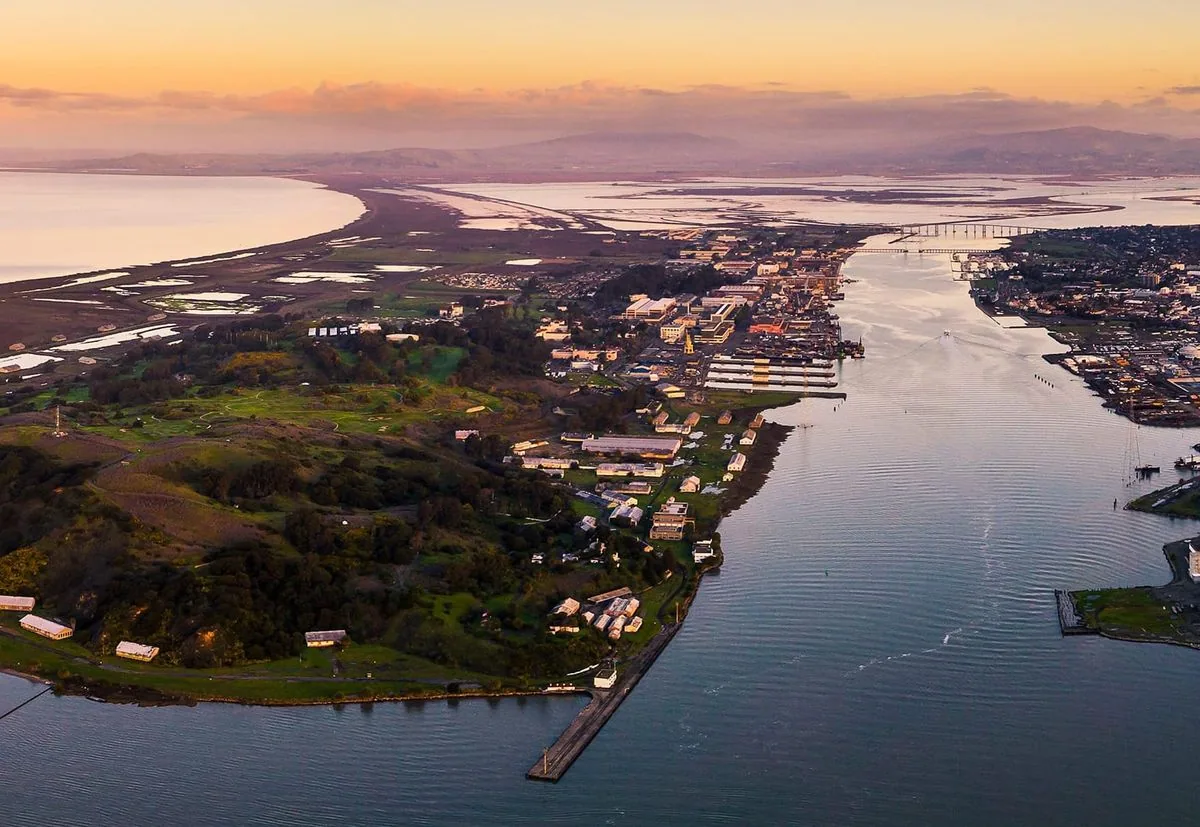
Mare Island includes office, retail, industrial, residential, and community settings. A roof file from one property should not be carried to another based on a familiar product name. In Downtown Vallejo, additions and repair phases can also leave separate records for different roof areas.
Gather product labels, closeout files, project dates, repair notes, and photographs before comparing alternatives. A field review can test whether the documents align with the roof observed today. Keep any unconfirmed layer or attachment method listed as an open item instead of assuming the named membrane describes the entire assembly.
For cross-file review, compare this designation with Versico system references and SOPREMA material families. Tie the result to a Mare Island property map and its condition report before choosing a scope.
The file review should also retain a Mare Island roof-zone map, a building asset record, and the inspection notes and repair scope tied to that designation. For a G or S label, compare the suffix with the approved project submittal and observed attachment details. If those records do not agree, preserve both descriptions and assign a follow-up instead of treating one document as decisive.
Sarnafil product family
G and S identify distinct membrane families, with thickness options that vary by product. Use the full designation to locate the relevant technical documents, then compare them with the property record. Match the exact designation, thickness, and project date to owner records before using a product data sheet.
For a Vallejo asset, record the roof section and building address beside every photograph or invoice. A portfolio entry that only says “Sarnafil” can blend together separate phases. If the label lacks a suffix, preserve the uncertainty and request the closeout package or a site observation that could resolve the product reference.
Attachment is an assembly question
G membranes are intended for adhered applications; S membranes are reinforced for mechanically attached assemblies. Treat this as a document-search distinction, not proof that either method appears on the roof. The substrate, insulation, cover board, fasteners, adhesive, edge details, and transitions all matter to a complete assembly record.
Compare the roof plan with observable conditions at seams, perimeters, curbs, and drains. Do not infer attachment from a surface view alone. On Mare Island, a building with several tenants or operating areas may have divided project boundaries; keep those work areas mapped before a repair or renewal allowance is prepared.
Build a reliable record set
Start with drawings, invoices, approved submittals, field changes, inspection notes, and any warranty paperwork supplied by the owner. Record the author and date for each item. A product brochure can explain terminology but does not establish the project installation, later modifications, or the part of a roof that remains covered.
A file audit works best when each record names a property, roof zone, and scope. If the owner acquired the building after installation, identify which documents came from the seller and which were produced during later maintenance. Put conflicting names in a discrepancy list so the field reviewer can check them without rewriting the history.
Inspect transitions and repairs
A membrane field can look continuous while repair areas, equipment curbs, parapets, and drain bowls carry different materials or installation dates. Photograph each transition and note nearby conditions. The purpose is to locate evidence that affects a proposed scope, not to declare a manufacturer system compliant from a photograph.
For a Downtown Vallejo roof, log access limits and occupied areas before planning the walk. A simple roof-zone sketch can connect visible conditions with the document index. Where an area cannot be inspected safely or is concealed, state the limitation and identify the additional access or record needed to complete the review.
Separate a repair from replacement
A small, bounded defect may call for a different evaluation than widespread seam, flashing, or insulation concerns. Compare the repair history with current observations and the owner’s operating priorities. A product name alone cannot establish remaining service life, compatibility, or the correct treatment for a condition found on another section.
Keep repair candidates and capital-planning assumptions in separate columns. This makes it easier to distinguish observed damage from a planning allowance. Include the basis for each line, such as a dated photograph, a Diligence Notes, or an estimate, and flag any assumption that still needs a site visit or manufacturer document review.
Coordinate access and occupancy
Roof access, tenant hours, sensitive equipment, and staging routes influence how a field review can be arranged. Ask the property contact about escorts, keys, fall-protection procedures, and areas that cannot be entered. Those operating facts belong in the visit plan and should be confirmed with the current manager before the crew arrives.
A mixed-use Mare Island property may require separate contacts for office, industrial, and community spaces. For Downtown Vallejo buildings, parking and access may differ from a larger parcel. Record the actual arrangements supplied by the owner; do not substitute a general district description for current building-specific access instructions.
Technical records and a useful handoff
If a warranty document is available, match its named owner, building, dates, coverage limits, and roof section against the proposed work. A manufacturer reference does not establish that a warranty exists or that a condition is covered. Coverage decisions remain subject to the controlling document and the responsible issuer’s review.
Keep the document attached to the asset record and list missing pages or transfer forms as unresolved. If a repair could affect existing coverage, pause the scope decision until the owner has the relevant requirements in hand. Do not describe an estimate or inspection as a warranty determination.
A useful handoff names what is confirmed, what is observed, what remains unknown, and which record or inspection could close the gap. Include roof dimensions only when they are measured, and distinguish a design assumption from a field-measured value. This gives the owner a sound basis for sequencing the next review.
For each Vallejo property, store the building identity, roof-zone sketch, photo log, repair chronology, and open questions together. A portfolio manager can then compare planned work without treating every Sarnafil designation as one identical assembly. The final scope should follow documented site conditions and the owner’s decision process.
Commercial Roofing Questions
How should a Sarnafil designation be logged?
Copy the full membrane designation from the controlling project document and add its revision date, property, and roof zone. Keep a label or photograph marked as a secondary clue until another record establishes its use.
Does G or S prove the roof attachment?
No. The G and S designations describe different membrane families, but the site-specific specification and field record must establish the assembly. Record an unresolved attachment method as a question for the roof review.
Which files help distinguish repair phases?
Compare approved submittals, change orders, invoices, repair notes, and dated photographs. Keep every item tied to the building and section it describes so a later addition does not inherit an older roof history.
What should happen before an existing warranty is summarized?
Review the actual certificate, covered area, term, maintenance duties, transfer record, and exclusions. Ask the issuer or administrator about unresolved language rather than inferring coverage from a product designation.
How can an owner frame the next budget choice?
Separate observed conditions from assumed quantities and planned monitoring. Record which evidence supports each scope line, and list the site or document check still needed before the owner authorizes construction.
Review the building record and roof scope
Share available roof plans, product records, repair history, access needs, and budget timing for a Vallejo property. We will help organize the next building-specific review.
Request a Roof Assessment
Questions About Sika Sarnafil Roof Records
Common questions from building owners and property managers.
How should a Sarnafil designation be logged?
Copy the full membrane designation from the controlling project document and add its revision date, property, and roof zone. Keep a label or photograph marked as a secondary clue until another record establishes its use.
Does G or S prove the roof attachment?
No. The G and S designations describe different membrane families, but the site-specific specification and field record must establish the assembly. Record an unresolved attachment method as a question for the roof review.
Which files help distinguish repair phases?
Compare approved submittals, change orders, invoices, repair notes, and dated photographs. Keep every item tied to the building and section it describes so a later addition does not inherit an older roof history.
What should happen before an existing warranty is summarized?
Review the actual certificate, covered area, term, maintenance duties, transfer record, and exclusions. Ask the issuer or administrator about unresolved language rather than inferring coverage from a product designation.
How can an owner frame the next budget choice?
Separate observed conditions from assumed quantities and planned monitoring. Record which evidence supports each scope line, and list the site or document check still needed before the owner authorizes construction.