Versico Commercial Roof Records
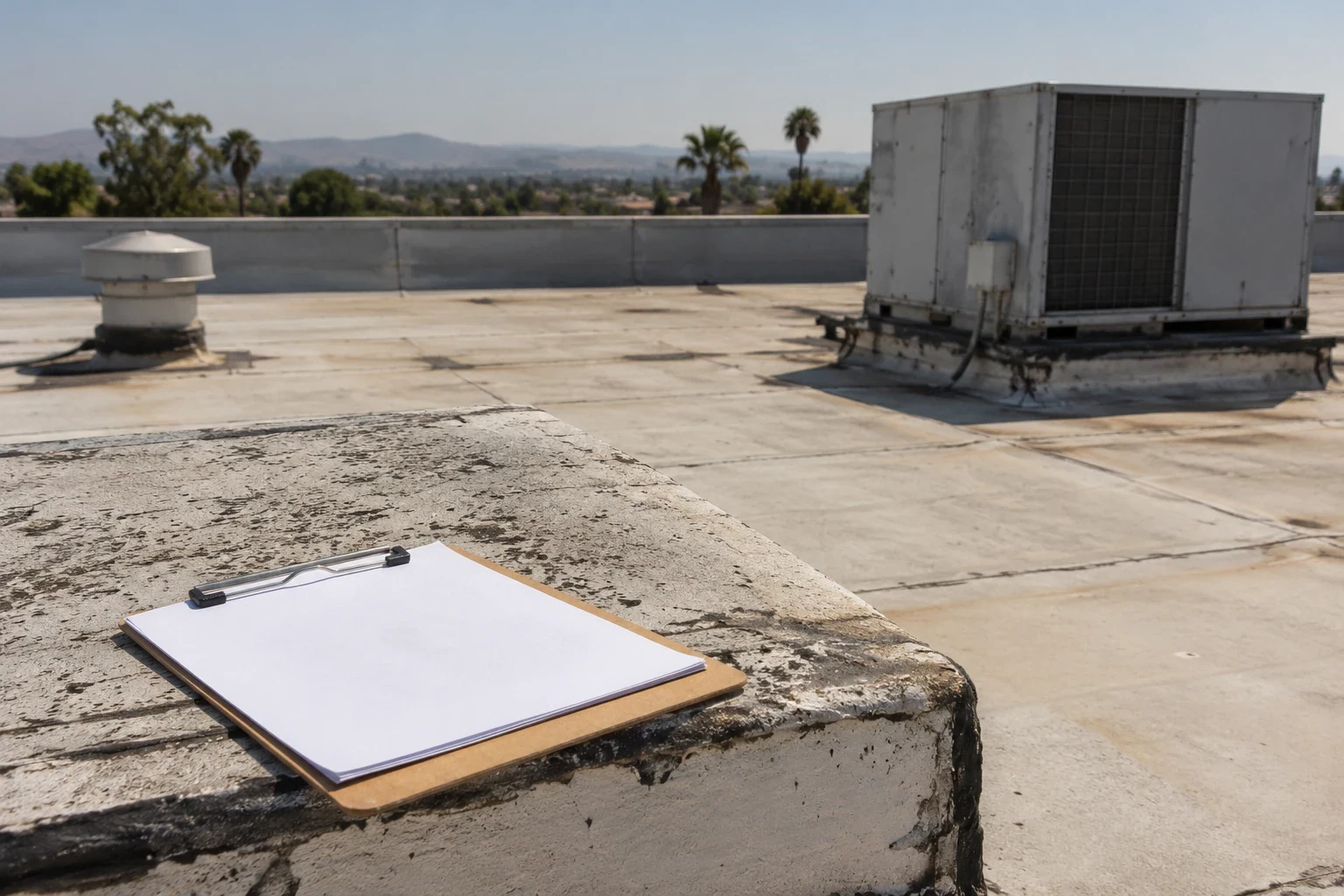
Compare Versico records with a Vallejo roof’s assembly, zone, repairs, and observations. Confirm system details and open questions before setting scope.
Why Commercial Roofing Vallejo?
Versico Commercial Roof Records
A Versico name in a closeout file is useful for locating product literature, but it does not establish the full roof assembly. Versico TPO options include adhered, mechanically fastened, RapidLock, induction-welded, and vent-secured systems. Confirm the exact system and area from project records and field evidence.
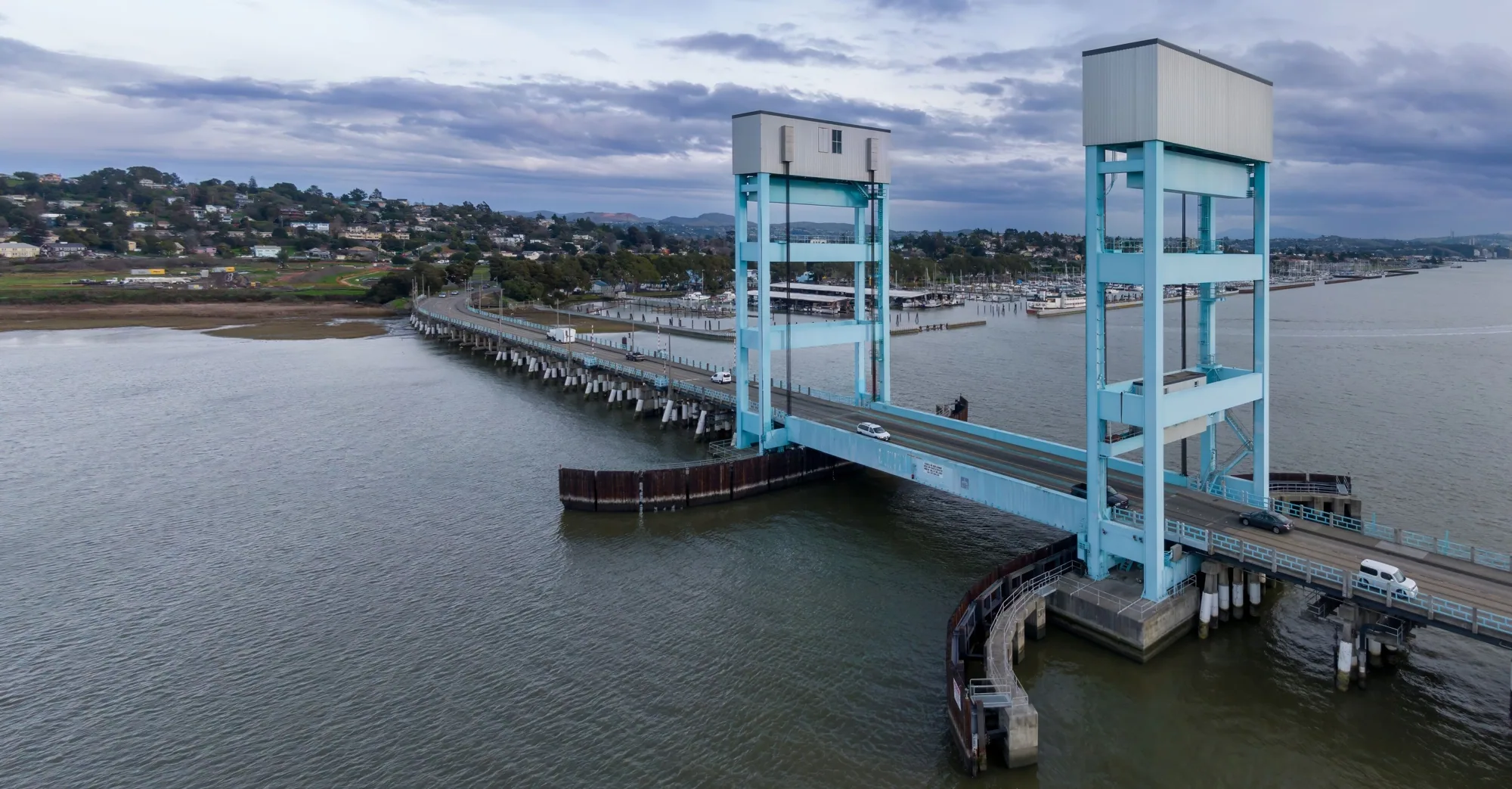
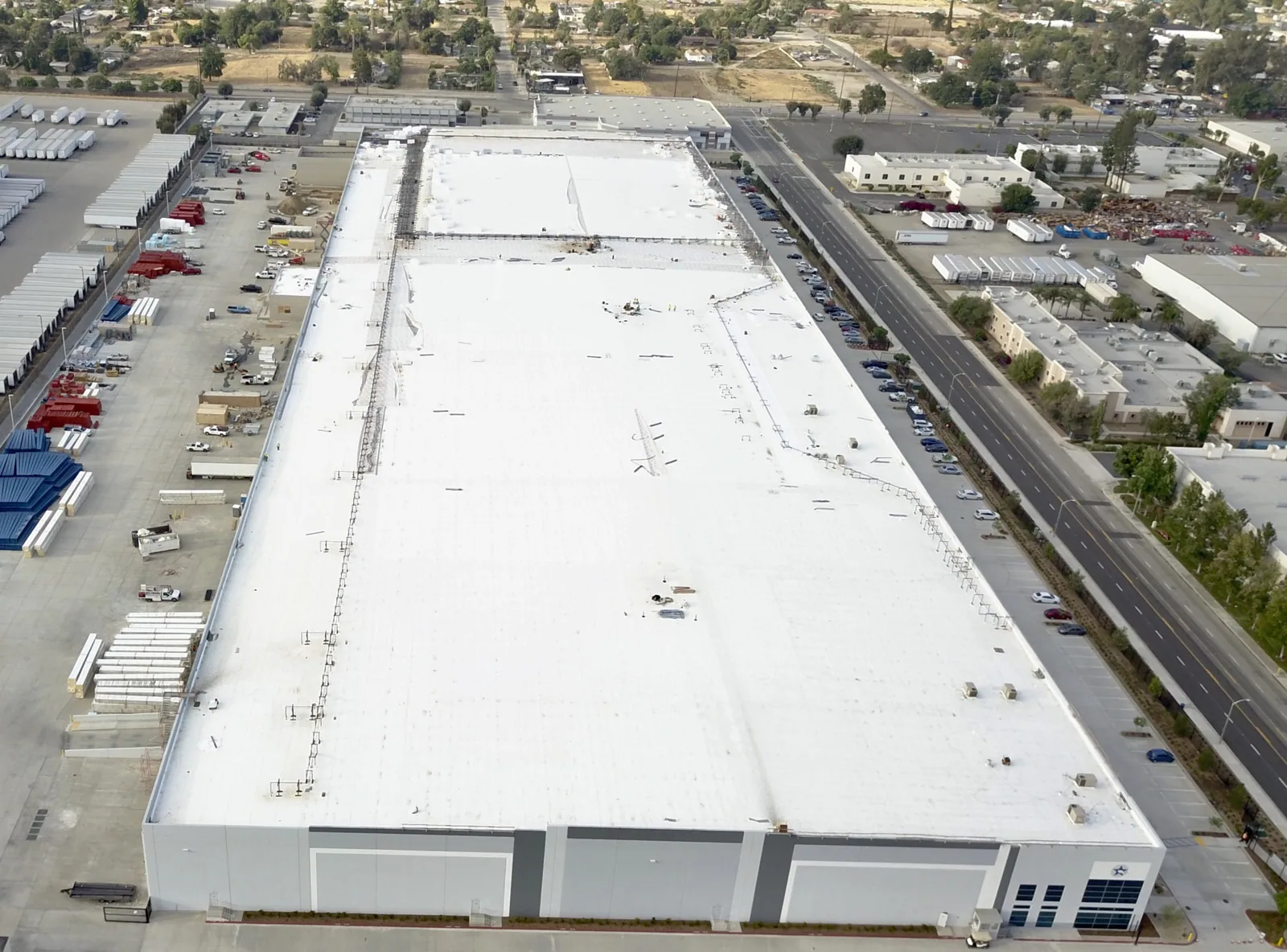
Vallejo’s commercial context includes industrial and office uses on Mare Island as well as Downtown properties with different operating constraints. A product label cannot carry the access plan or roof history from one building to another. Pair each document with a confirmed address, project date, and the roof section it actually describes.
Start with the project name, address, roof phase, and the exact designation shown in the approved submittal. Check the drawing against the area that is actually being reviewed; list any missing attachment or detail information as an open question. This gives the field team a specific comparison to make rather than asking whether a broad product family is present.
A product comparison can include Sika Sarnafil records or Holcim Elevate documents, provided each file stays connected to its own roof section. For a Downtown Vallejo asset, keep the capital plan separate from field confirmation.
Keep a Mare Island roof-zone map with the asset record, then attach inspection findings and the repair boundary to the same building entry. The manufacturer’s list of attachment approaches is a lookup aid; the approved submittal and assembly detail for this project remain the records to verify. Avoid transferring a system option from another address or roof phase.
Read the exact designation
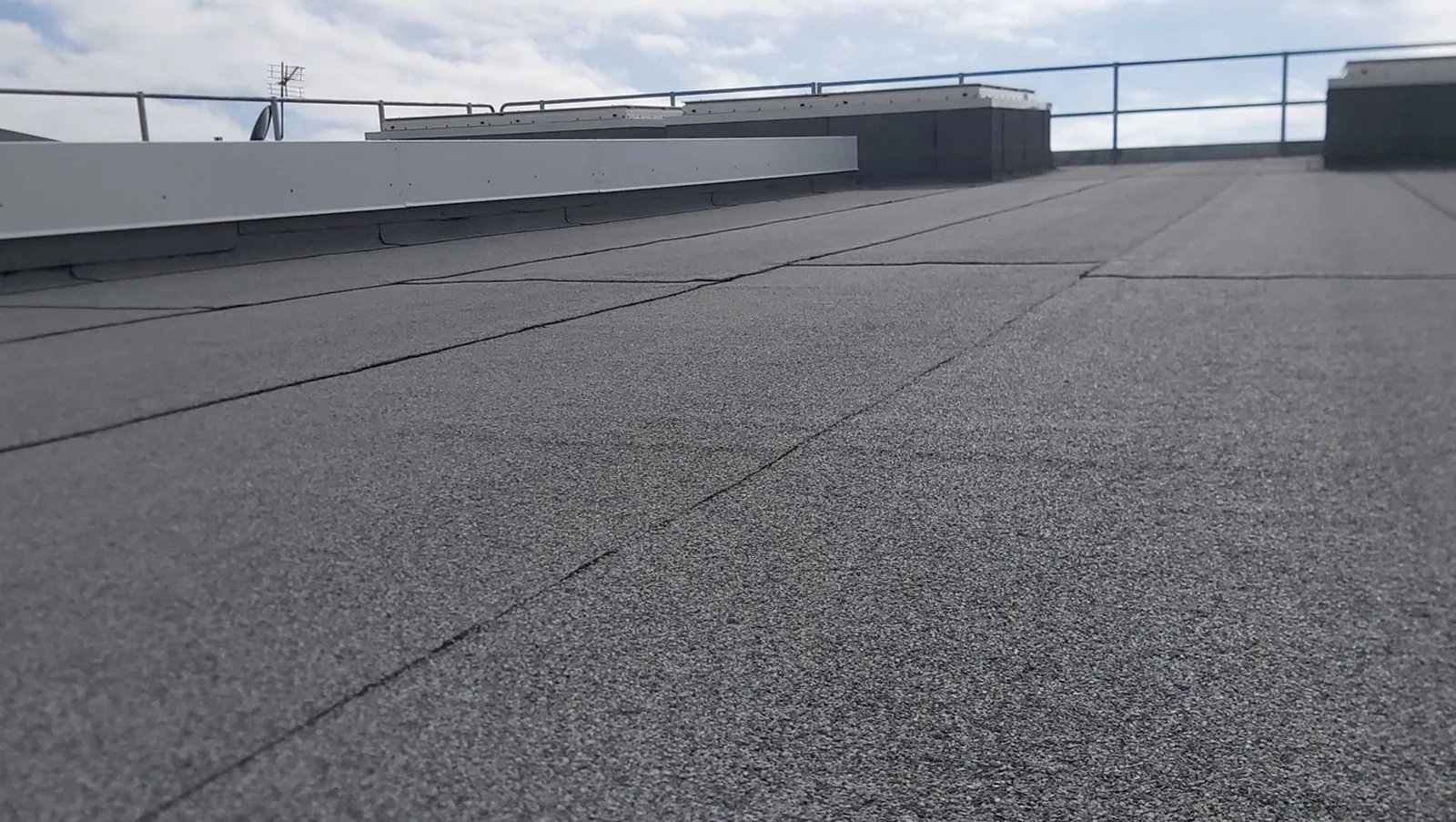
Versico publishes separate product and system materials, so the exact membrane name, thickness, and detail number matter. Capture the designation as printed rather than shortening it in a spreadsheet. A general “TPO” or “Versico” note may be too broad to identify a specific assembly or the documents needed for comparison.
Keep the original document, date, roof zone, and property identifier together. If the designation came from a label or photograph, keep that origin visible. For a Mare Island asset with multiple work phases, split the record by project area so a later repair does not inherit details from a different section.
Attachment method requires proof
Versico lists mechanically fastened, adhered, RapidLock, induction-welded, and vent-secured TPO options. Use that list to identify the method named in the project file; the names are not proof of what was installed at a particular roof. Compare the approved submittal, fastening or attachment details, and accessible field observations before putting the configuration in the asset inventory. If those sources do not agree, preserve the discrepancy and ask the project record holder to resolve it.
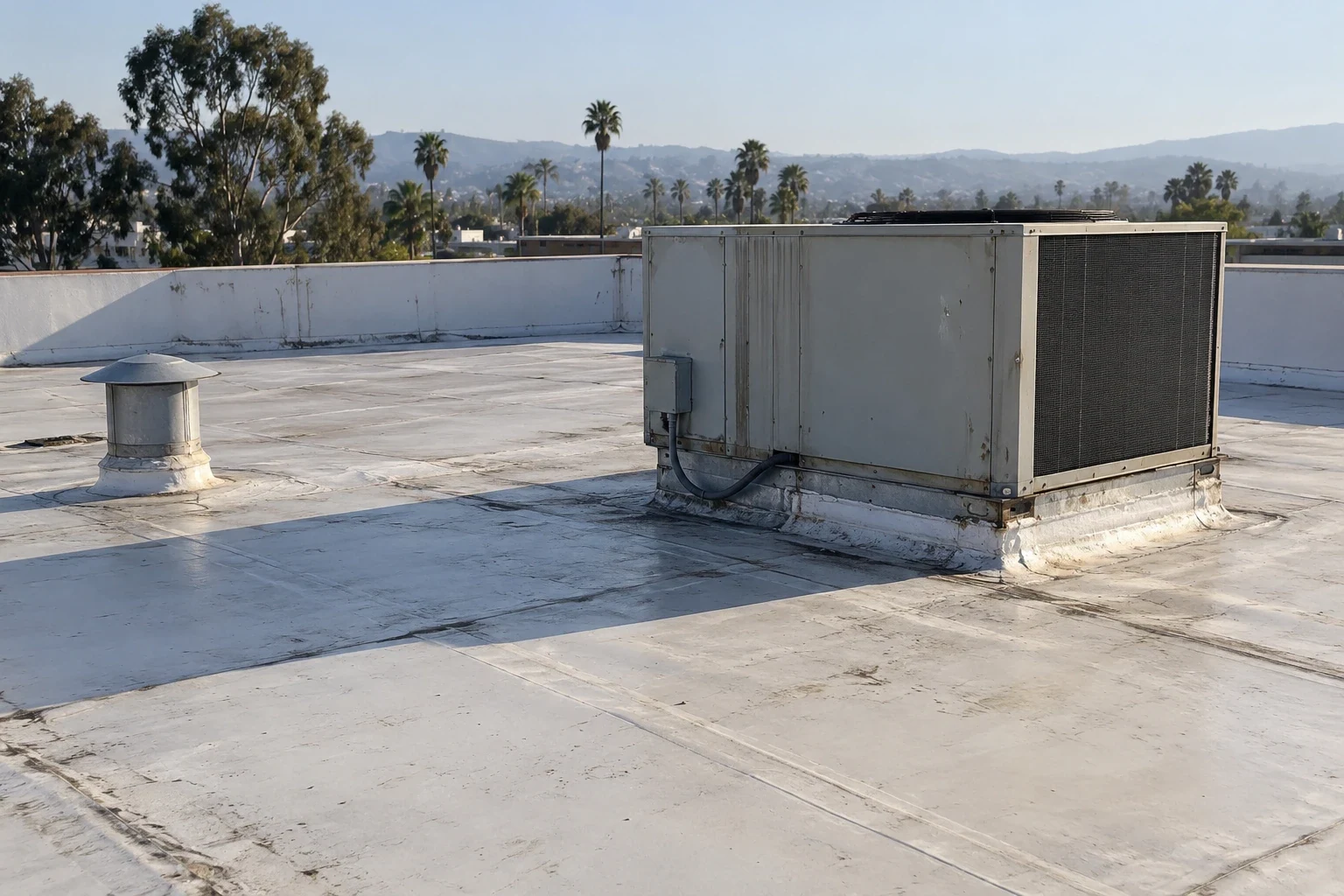
The same comparison should cover perimeter edges, walls, curbs, drains, and equipment transitions. Those interfaces can have separate details or repair histories from the field membrane. If access limits a view, identify the roof zone and what remains unconfirmed instead of inferring an attachment method from a surface image. Tie the finding to the building and phase before discussing a repair boundary.
Map roof zones and phases
A roof can include original work, additions, overlays, patches, and equipment changes. Mark those boundaries on a plan and associate each file with its zone. When the documents conflict, preserve both references and write down what would resolve the difference, rather than choosing the newest or most familiar product label.
For multi-building owners, keep the site address and building name as separate fields. A district or campus name is not a substitute for the parcel and roof map. On Mare Island, industrial parcels may have distinct operations; confirm each facility contact and access condition before consolidating roof records.
Use inspection notes as dated evidence
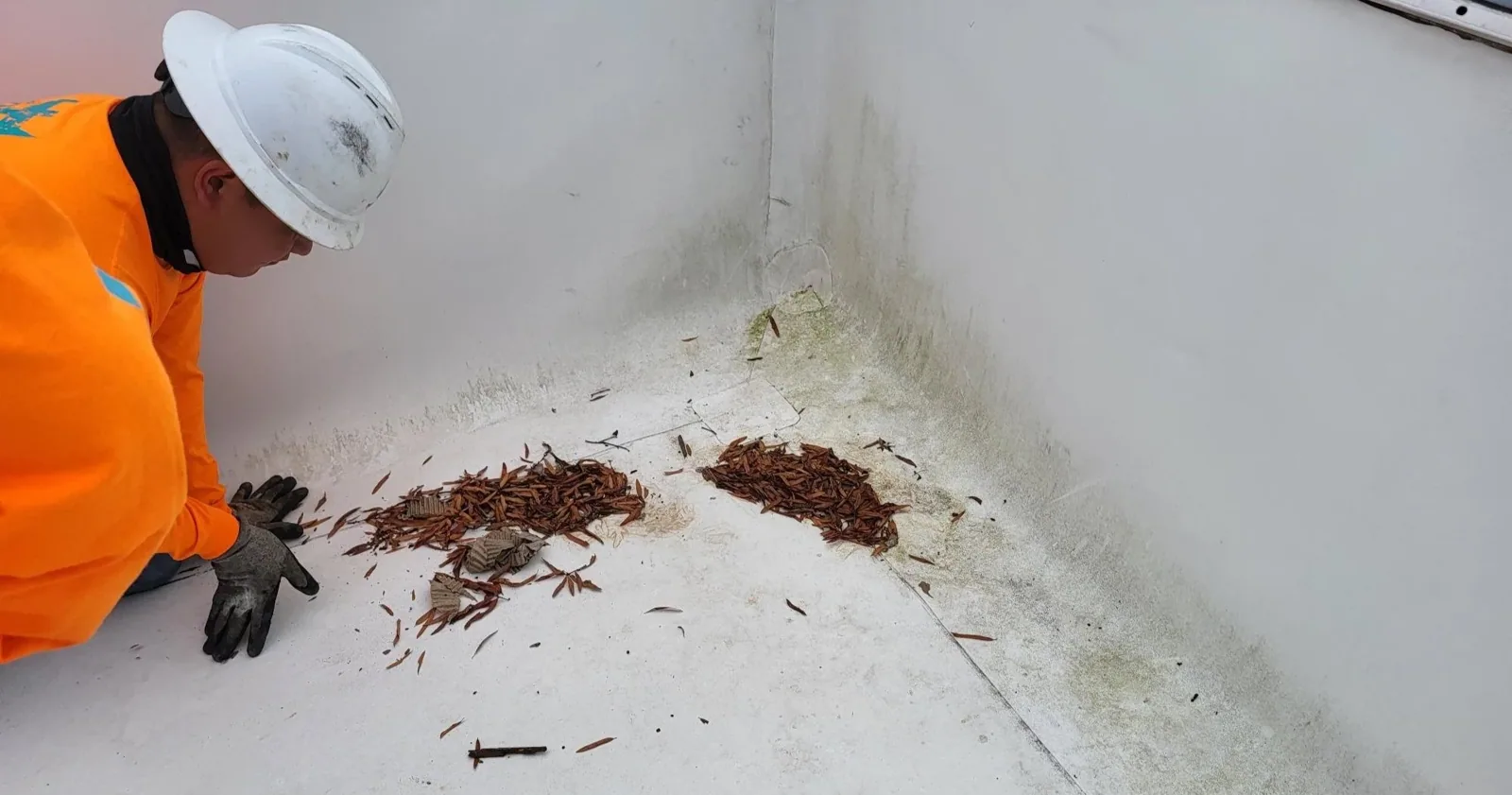
Inspection notes should identify the observed condition, location, weather context if relevant, and the person who recorded it. Photos need orientation or a roof-zone reference so they can be revisited later. An observation supports a scope conversation; it does not alone prove the entry point or cause of a concealed defect.
Compare seams, penetrations, drains, edge metal, and repair patches with the available installation documents. If a condition is not visible without destructive testing, mark it unknown. For a Downtown Vallejo building, track occupied areas and rooftop equipment that could affect safe access or work sequencing.
Evaluate repair boundaries
A repair recommendation should identify the limits of the affected area and the evidence behind those limits. Review prior service records alongside current observations. Do not generalize an isolated seam concern to the entire roof or treat an old leak log as proof that the present assembly has the same defect.
Owners can place confirmed repairs, monitoring items, and capital options in separate categories. Add a date and an accountable reviewer to each line. Where the project file is incomplete, estimate only from an explicitly stated assumption and retain a task to verify the roof before finalizing construction scope.
Plan operations before a roof walk
Schedule access with the person responsible for the building and ask about escorts, badges, keys, loading areas, tenant hours, and restricted equipment zones. Document the approved route and safety requirements. Do not carry an old set of instructions forward without confirming that the contact and building procedures remain current.
Mare Island’s mix of employers and community uses can mean different property contacts across the same broader area. Downtown properties also have their own parking and entry arrangements. Write only what the current owner or manager confirms, and keep any building-specific instruction separate from neighborhood context.
Technical records and a useful handoff
A warranty certificate or product warranty is a contract record whose named property, owner, term, exclusions, maintenance duties, and transfer provisions need direct review. Mentioning Versico in a file does not establish active coverage. Questions about coverage belong with the named issuer or responsible administrator.
Store the complete document with amendments and claim history if supplied. Note missing schedules or unclear roof boundaries. Before repair planning, the owner may need to consult the issuer or the party responsible for the warranty. Record that referral as an open task rather than predicting a coverage outcome.
A decision-ready asset entry separates documented facts from observed conditions and unresolved assumptions. It can list the roof zone, exact system references, repairs, access requirements, and next evidence needed. That structure allows capital reviewers to compare work without pretending that two buildings share the same history.
For a Vallejo portfolio, retain the original file and observation date beside each conclusion. Update the record when a site review or closeout package answers an open question. The next estimate can then describe a confirmed scope, a measured quantity, and any exclusions in plain terms that building staff can act on.
Commercial Roofing Questions
What makes a Versico TPO reference useful?
A specific product and system designation helps locate relevant manufacturer documents. Add the file date and building roof-zone map, then verify that the document belongs to the assembly under review.
Can the system option be inferred from a roof photograph?
A surface image does not establish an attachment design or hidden layers. Use the approved submittal, fastening plan, details, and accessible field observations before recording the installation method in the asset file.
How should records for multiple roofs be separated?
Give each building a confirmed address and a roof-zone identifier. Divide records by project phase and preserve conflicting file names until the responsible reviewer confirms which description applies.
Does an old Versico warranty settle a repair question?
Only the actual warranty and its terms can address the covered property and work. Confirm the roof boundary, effective dates, maintenance conditions, and exclusions with the document administrator.
What belongs in an inspection handoff?
Provide the access plan, roof sketch, dated observations, project documents, repair history, and open questions. The recipient can then distinguish field evidence from assumptions before setting the work boundary.
Check the Membrane and Repair Detail
Share system records and a photo of the reported area. We will confirm the apparent membrane, nearby seams, and flashing before setting a patch boundary.
Request a Roof Assessment
Questions About Versico Commercial Roof Records
Common questions from building owners and property managers.
What makes a Versico TPO reference useful?
A specific product and system designation helps locate relevant manufacturer documents. Add the file date and building roof-zone map, then verify that the document belongs to the assembly under review.
Can the system option be inferred from a roof photograph?
A surface image does not establish an attachment design or hidden layers. Use the approved submittal, fastening plan, details, and accessible field observations before recording the installation method in the asset file.
How should records for multiple roofs be separated?
Give each building a confirmed address and a roof-zone identifier. Divide records by project phase and preserve conflicting file names until the responsible reviewer confirms which description applies.
Does an old Versico warranty settle a repair question?
Only the actual warranty and its terms can address the covered property and work. Confirm the roof boundary, effective dates, maintenance conditions, and exclusions with the document administrator.
What belongs in an inspection handoff?
Provide the access plan, roof sketch, dated observations, project documents, repair history, and open questions. The recipient can then distinguish field evidence from assumptions before setting the work boundary.