Johns Manville Roof Assembly Review in Vallejo, CA
Review Vallejo Johns Manville roof references against project records, roof layers, insulation details, repair history and the current site condition.
Why Commercial Roofing Vallejo?
Johns Manville Roof Assembly Review in Vallejo, CA
Roof documents may mention a manufacturer for one component, one phase or one product family. That reference should be matched to the actual building and roof zone before it informs a repair or capital decision. For Vallejo properties with Johns Manville records, we organize the available documentation and compare it with current, building-level observations.
A commercial building record needs more than a product name. Plans, invoices, closeout information, repair history, roof access and the use of rooms below can all affect the next step. Keep each statement traceable to its project document, owner record, or field observation so the next reviewer can distinguish confirmed material from an open question.
If a facility file also contains Carlisle SynTec or Holcim Elevate references, index each by project phase instead of combining them into one system description. For Downtown Vallejo properties, confirm the current building name against plans before assigning a document to a roof zone. That small reconciliation step helps the next reviewer distinguish purchased material, specified construction and the assembly actually observed during a later site visit.

Identify what the manufacturer reference covers
Collect the project documents that name Johns Manville and note what each one actually describes. It may relate to insulation, a roof covering, a submitted product or a limited area of work. Match the record to the affected roof zone before treating it as a description of the full assembly.
Match every file to the property, construction phase and roof zone. If the address or building name differs across documents, reconcile it before using the record. A procurement invoice can show that an item was ordered without proving the location where it was installed.
Maintain a distinction among supplied documents, owner statements and field findings. Keep the document reference with the recorded fact so a later reviewer can check what is confirmed and what still needs field verification.
Trace insulation and roof layers carefully
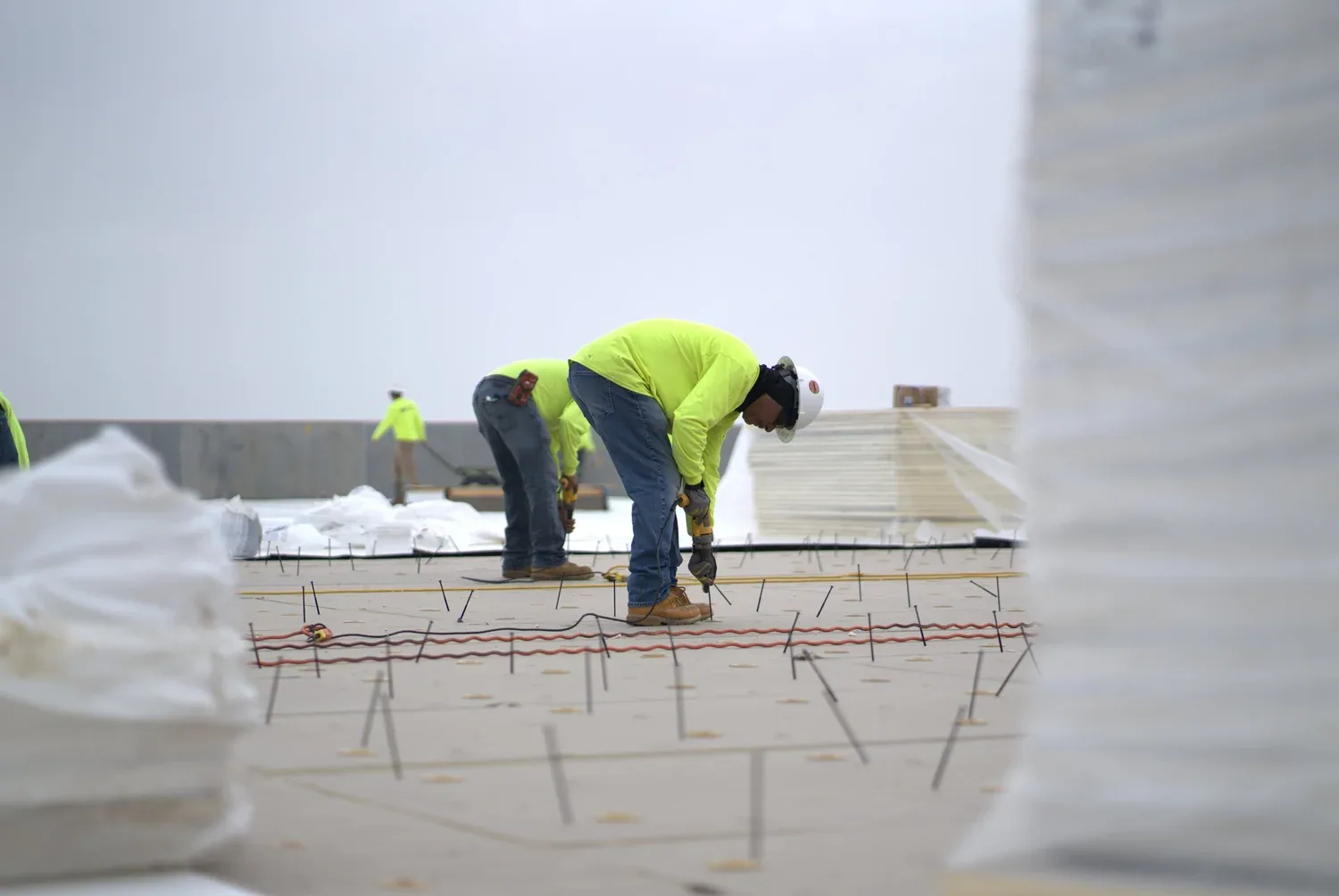
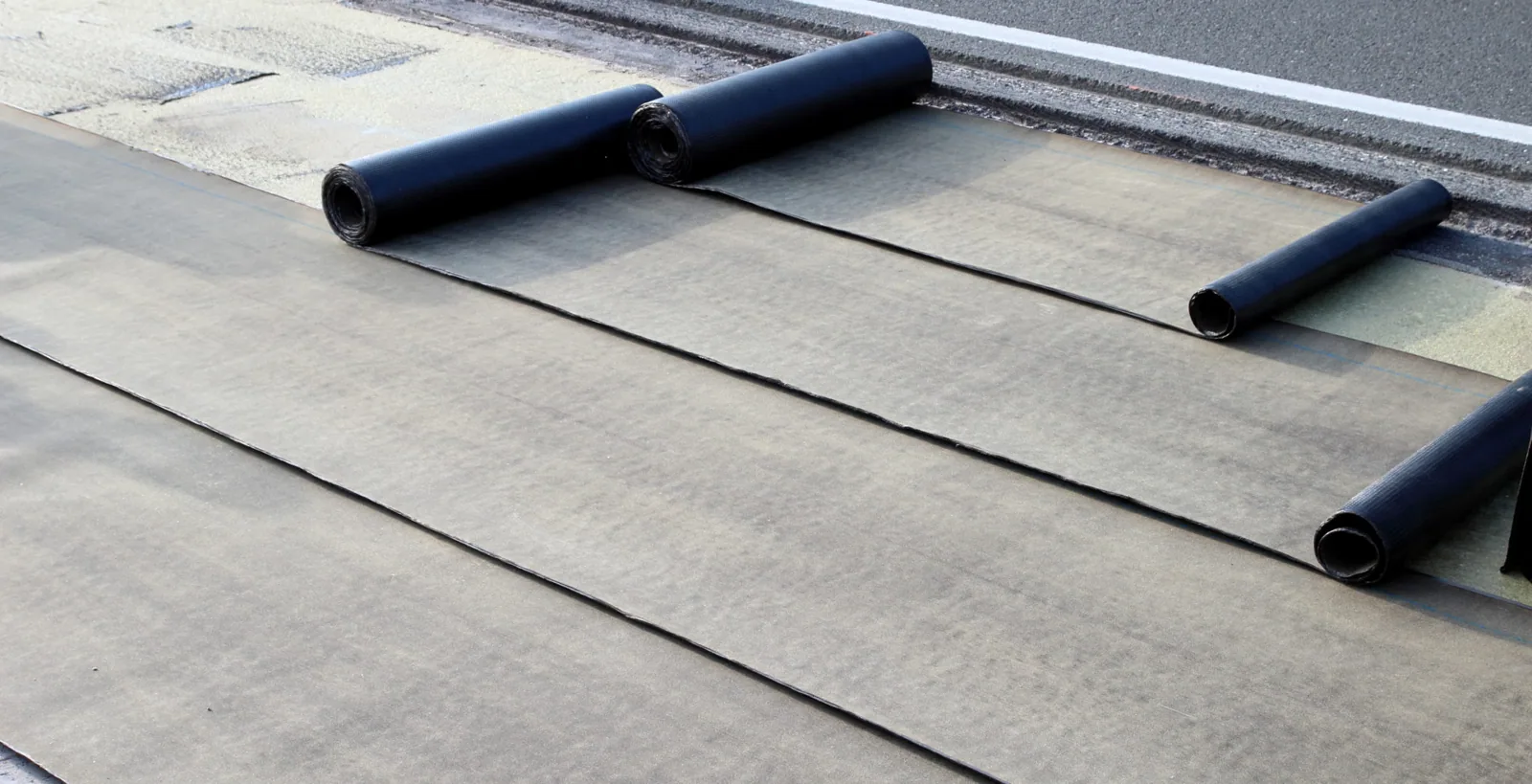
Insulation can be concealed beneath the roof surface, and a product label may identify only one layer. A roof review should record what plans or closeout files say, what can be observed and which details require an opening or other appropriate confirmation before the assembly is described as complete.
Note thickness, arrangement or attachment only when the records or examination establish it. Keep unknowns separate from assumed values. This matters when evaluating repair compatibility, drainage transitions, rooftop equipment supports or future scope quantities.
A roof insulation and cover-board review can focus the relevant questions. Store confirmed material information in the roof asset record with its file identifier and affected roof section.
Compare the documents with field conditions
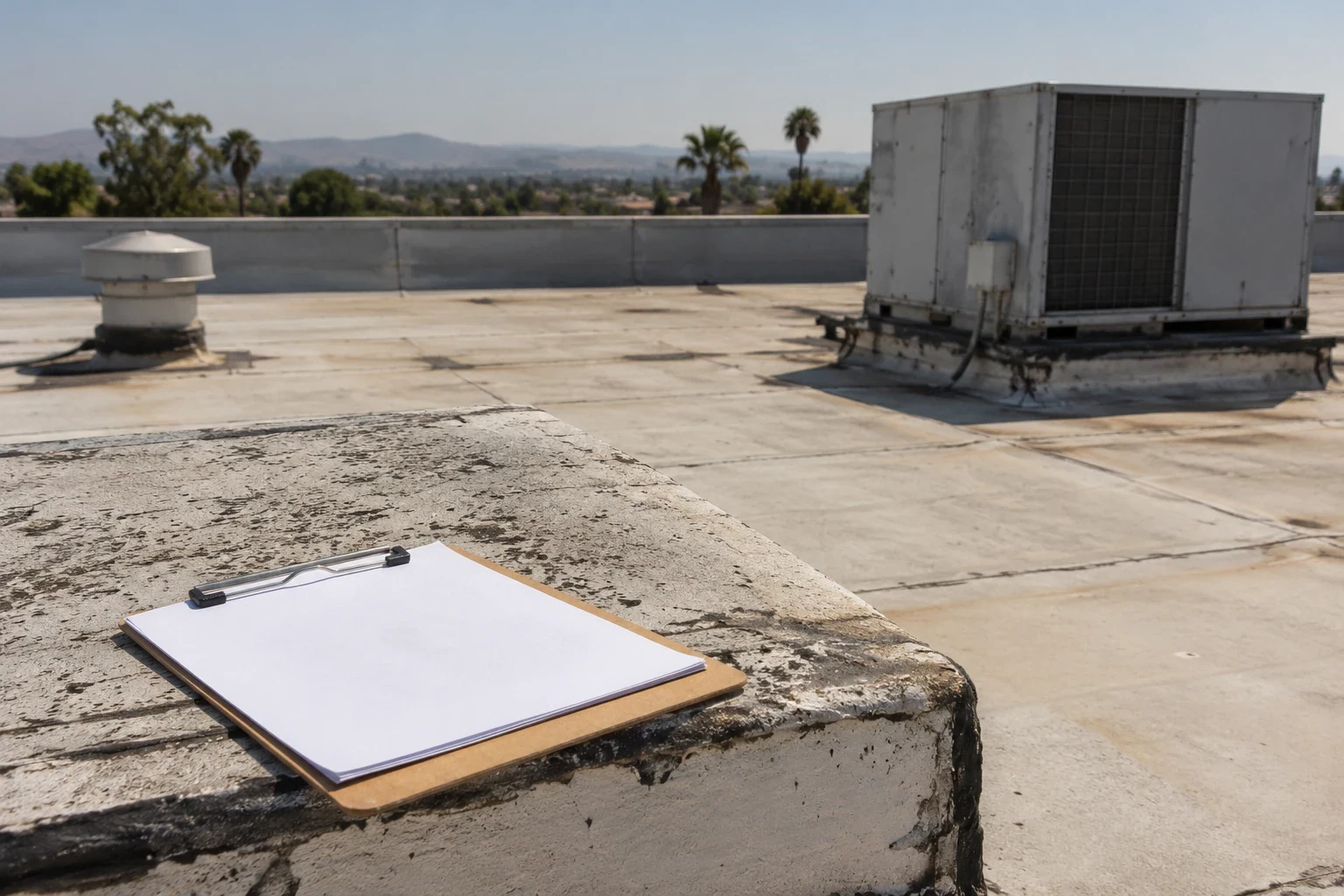
Inspect accessible edges, seams, flashings, drains and penetrations, then tie photographs to a roof-zone plan. A close view should include enough context for another person to return to the same location. Record whether the observed feature is active, repaired, obscured or no longer present.
Use the date and conditions of the visit to frame what the inspection could establish. An observation of a surface does not necessarily reveal the condition beneath it. If a question affects scope, state the next examination rather than treating the visible material as proof of concealed condition.
A condition report can separate observation, interpretation and recommendation. For a broader view, a commercial roof inspection should state the assigned zones and access limits.
Set repair boundaries before choosing materials
Describe the reported or observed condition, its roof location and the proposed boundary of repair. Identify preparation and adjacent details that need review. Check product instructions and compatibility against the confirmed assembly and project file before specifying a repair.
Where the roof contains multiple layers or previous patches, identify the supporting record or field observation. A sample or opening may establish additional details, but only for the area examined. Keep that evidence localized rather than applying it across the entire building without support.
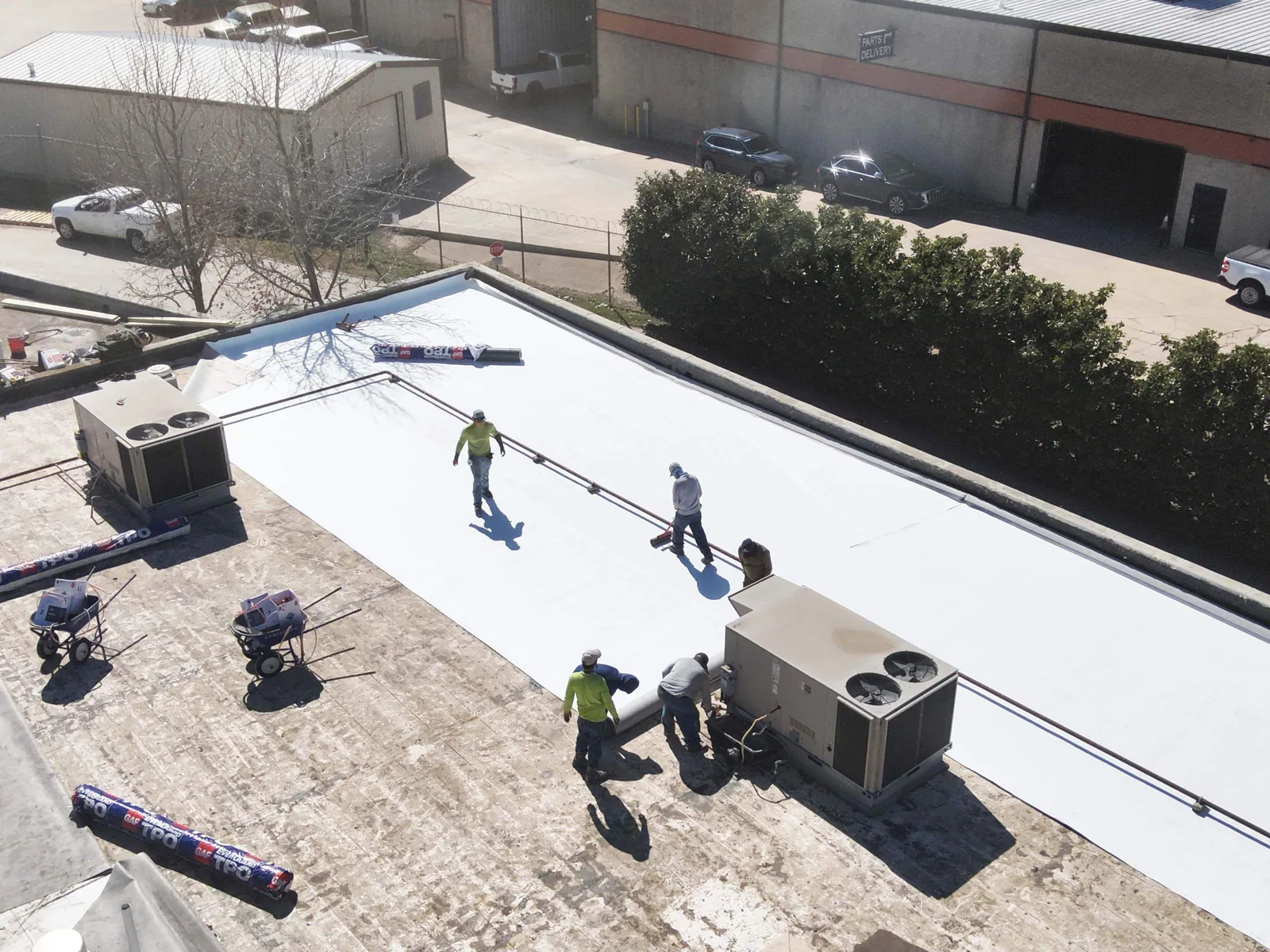
A repair scope can address a defined detail, while a recover evaluation needs a broader view of existing conditions and applicable project criteria.
Keep maintenance and document review distinct
Routine roof maintenance creates dated observations and work history. Keep warranty language tied to the document and project phase, then compare the installed assembly with the requirements that apply to it. Preserve the maintenance log, original project paperwork and any document inquiry as separate records linked to the same roof zone.
If an owner supplies warranty material, retain the complete file and route questions to the person responsible for its interpretation. A field report can describe the condition encountered and the access used, while an administrator can evaluate the document’s terms.
Keep a dated log of missing warranty pages and follow-up questions. Maintenance visits should document what was actually checked or completed at the building, leaving interpretation of policy terms to the responsible administrator.
Account for property use and access
Ask the facility contact how the roof can be reached and which interior functions may be affected. On Mare Island, commercial spaces span office, retail and industrial uses, including some buildings with overhead cranes or large roll-up doors. Building use affects access and sequencing; confirm roof construction from the assembly record and field observations.
Confirm the roof hatch, ladder or lift requirements and identify equipment that could obstruct a zone. Coordinate interior entry separately, with the appropriate contact and notice. If an area cannot be reached, include it as an examination limit rather than silently excluding it.
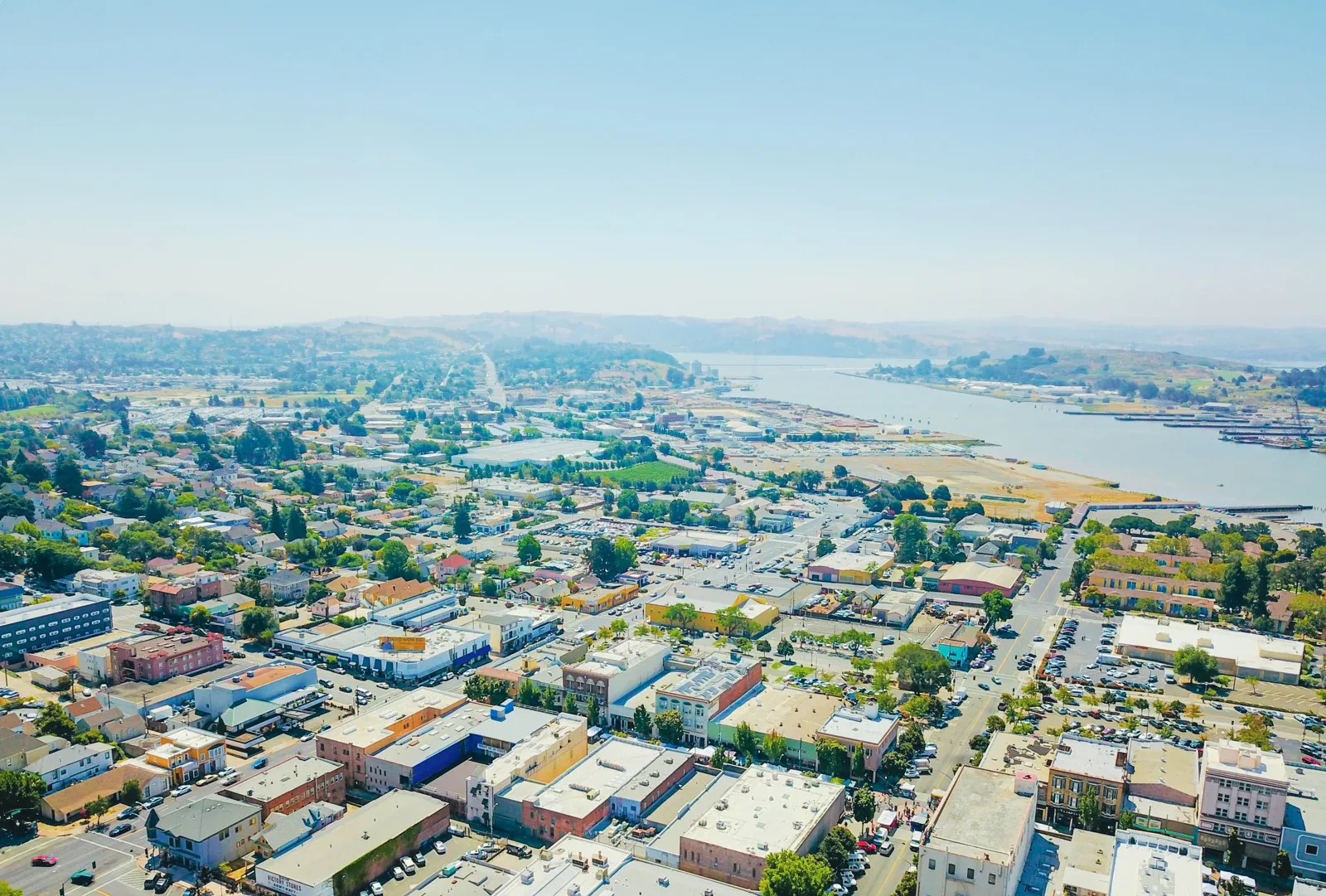
For Downtown Vallejo or waterfront locations, use the local area name to plan logistics, then verify the current building address and responsible contact. A location label cannot substitute for a property-specific access plan.
Prepare an evidence-based next decision
Separate a confirmed repair, a need for further investigation and a future renewal option. Each path should identify what observation or document supports it. If a roof layer is unknown, explain how that uncertainty could affect the proposed scope and what evidence would make the next choice more reliable.
A planning allowance may be appropriate before all quantities are known, but it should state the assumptions and review point. Do not convert a product reference into a remaining-life estimate or replacement date unless a qualified assessment and supporting evidence establish that conclusion.
A capital review can set the decision window for repair, further investigation, or renewal. For buildings in Sonoma-Broadway employment areas, retain each property’s roof records, access needs and construction history separately.
After work, file the approved scope, location markup, photographs, materials recorded and completion date with the property. Note exclusions and unfinished follow-up. The record should show whether an action addressed one repair detail, a roof section or a larger project.
Date any later document and file it with the original scope. Preserving both versions shows facilities and capital staff why an option was selected or changed.
Before the next Downtown Vallejo roof review, share the building plan and repair file. If additional brand records are available for Carlisle SynTec or Holcim Elevate, keep their project evidence separate.
Commercial Roofing Questions
Does a Johns Manville invoice establish the installed roof assembly?
Not necessarily. Confirm the building and work area, then compare the invoice with plans, closeout documents and current observations.
Can insulation layers be identified from the roof surface?
A surface view may not establish concealed layers. Use project records or suitable confirmation for the area that affects the decision.
Who decides whether a repair follows manufacturer instructions?
Select a repair method only after the applicable product instructions, confirmed assembly and affected boundary have been checked. If those details are missing, list the needed evidence before choosing a material.
Should a maintenance record state warranty eligibility?
It should record the observations and work performed. Document interpretation belongs to the responsible administrator or party reviewing the complete file.
What information helps plan a future scope?
Provide roof plans, prior projects, inspection notes, access conditions, known assemblies and open questions. Identify which details still need field confirmation.
Compare the Visible Roof to Its Recorded Assembly
Share the system label, roof plan, and repair photos. We will compare visible membrane, seams, and flashing with the recorded assembly before scoping a repair.
Request a Roof Assessment
Questions About Johns Manville Roof Assembly Review in Vallejo, CA
Common questions from building owners and property managers.
Does a Johns Manville invoice establish the installed roof assembly?
Not necessarily. Confirm the building and work area, then compare the invoice with plans, closeout documents and current observations.
Can insulation layers be identified from the roof surface?
A surface view may not establish concealed layers. Use project records or suitable confirmation for the area that affects the decision.
Who decides whether a repair follows manufacturer instructions?
Select a repair method only after the applicable product instructions, confirmed assembly and affected boundary have been checked. If those details are missing, list the needed evidence before choosing a material.
Should a maintenance record state warranty eligibility?
It should record the observations and work performed. Document interpretation belongs to the responsible administrator or party reviewing the complete file.
What information helps plan a future scope?
Provide roof plans, prior projects, inspection notes, access conditions, known assemblies and open questions. Identify which details still need field confirmation.