Commercial Roofing for Suisun City Properties
Suisun City roof reviews document assembly, access, drainage, repair history, and capital decisions for local commercial properties and their managers.
Why Commercial Roofing Vallejo?
Commercial Roofing for Suisun City Properties
Commercial roof decisions in Suisun City begin with today's assembly, active use, and drainage, even where redevelopment could change a longer capital horizon. Six potential opportunity sites span the city. Downtown Waterfront includes housing, office, restaurants, and services; planned commercial development near Walters Road and State Route 12 is intended to add retail inventory. Keep those future uses separate from current roof condition and owner-approved scope.
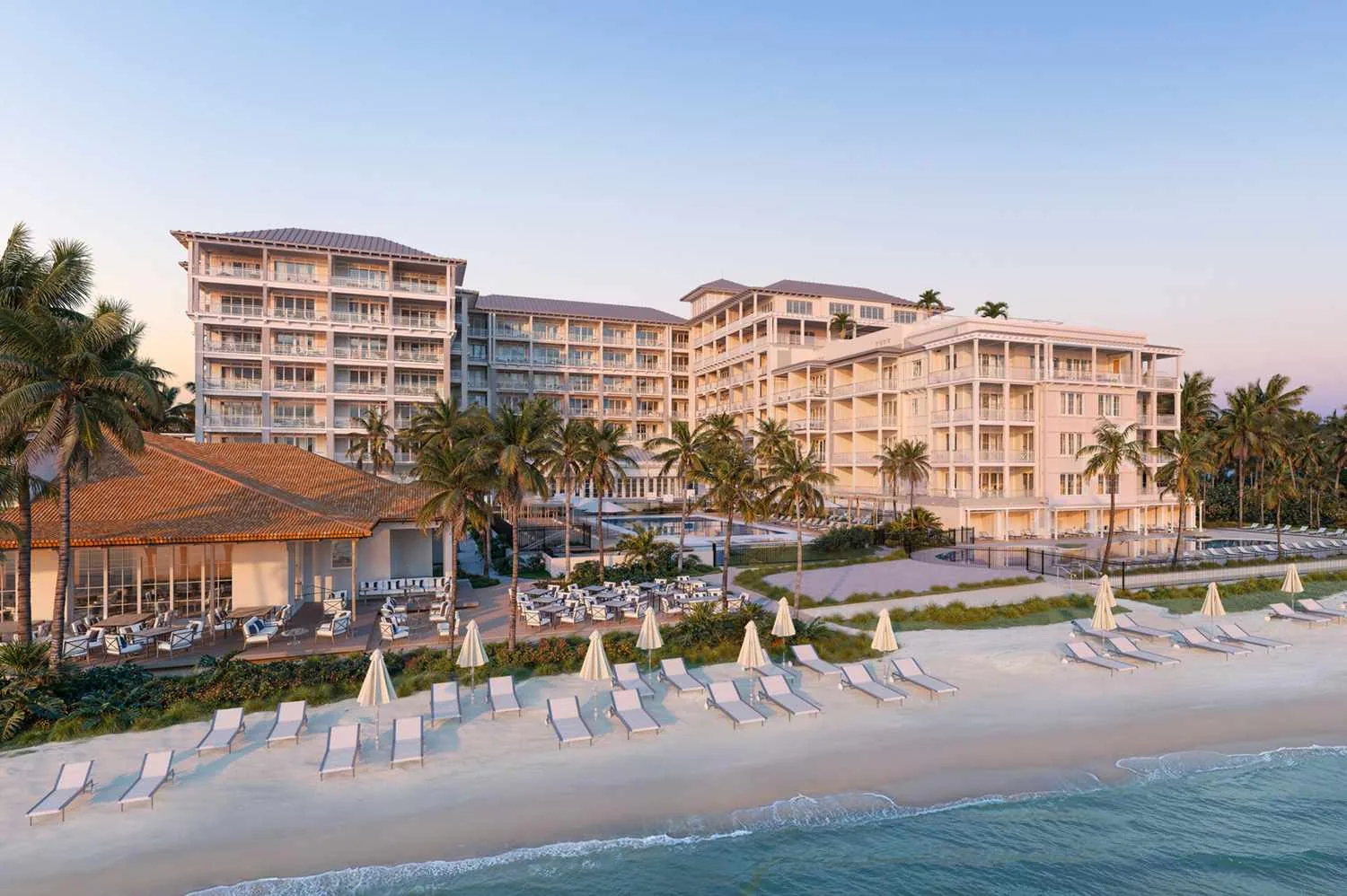
A citywide portfolio review can use the six potential opportunity sites as a reminder to keep land-use timing separate from roof condition. A site identified for possible future change may still require maintenance today, but redevelopment assumptions should not be inserted into a roofing scope unless the owner confirms them. Downtown Waterfront and the Walters Road/State Route 12 planning reference also describe different contexts. Keep each asset's current use, capital horizon, and tenant obligations in its own record. A waterfront lodging or dining asset may need the distinct coordination prompts in hospitality property planning.
Confirm the Current Property Use
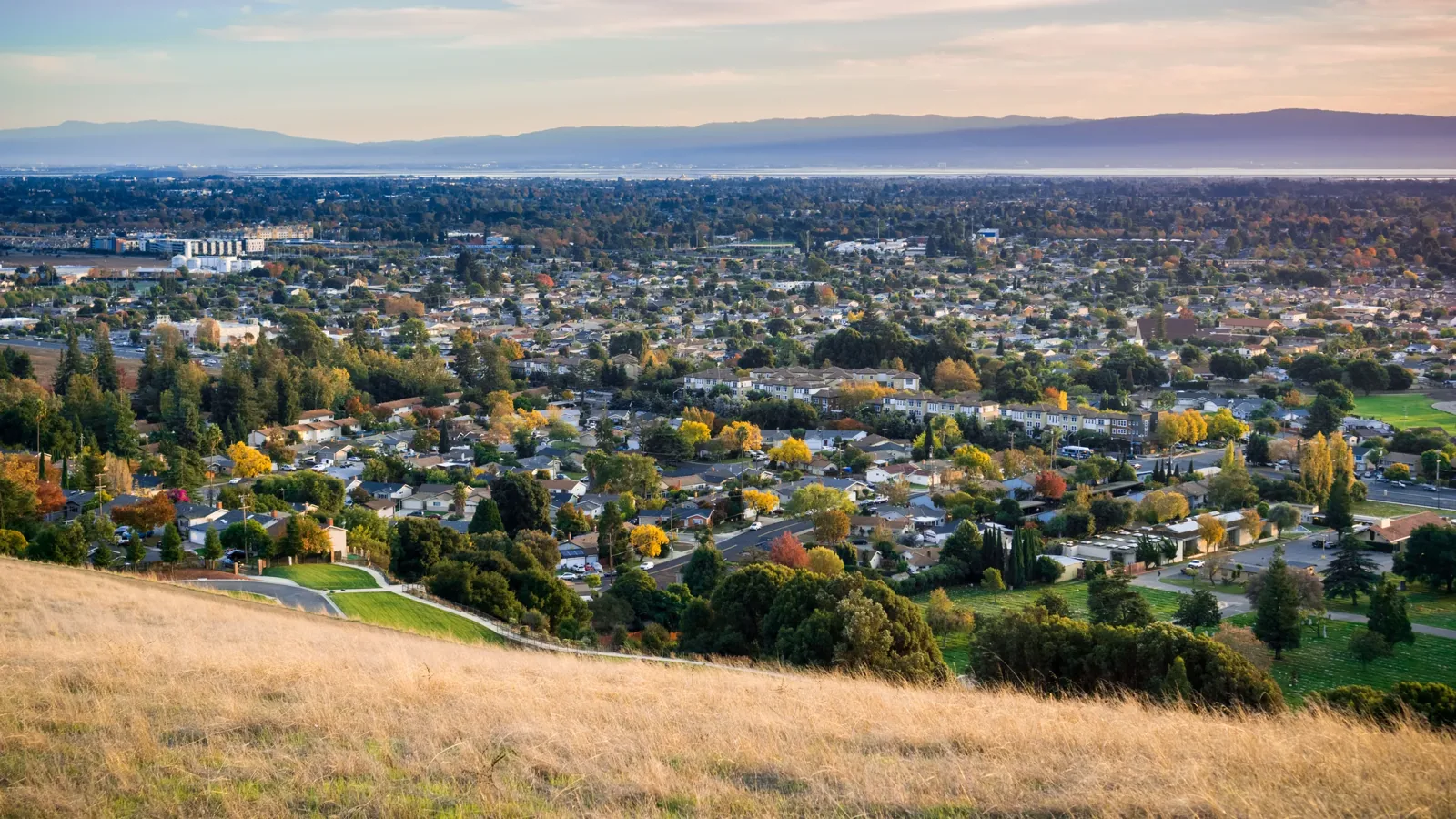
Suisun City's mix of waterfront planning and highway-oriented commercial planning calls for different access questions at different addresses. A waterfront business may have customer-facing entrances and limited service staging; a property near Walters Road may have different vehicle movement or loading needs. Those are inspection prompts rather than claims about any one site. Ask the manager to mark delivery routes, public access, equipment dependencies, and work-hour restrictions before setting a survey or construction sequence. When the address supports customer-facing trade, the retail roof work checklist can surface access and phasing questions.
When a property appears in a municipal opportunity-site plan, first distinguish the planning designation from the owner's decision. Confirm whether the roof must support current operations, an interim lease, a planned transaction, or continued long-term use. Do not assume a potential redevelopment site can defer repairs, and do not specify a permanent assembly without an authorized owner horizon. Capture the decision context in the scope notes so estimates remain honest if land-use timing changes.
Inventory the Roof Assembly
At each Suisun City building, establish the roof inventory from documents and field evidence. Record the apparent system, roof-zone dimensions, penetrations, edge construction, drainage points, and known overlays; flag any detail that cannot be confirmed. A General Plan description does not tell the reviewer whether a roof drains to interior leaders, exterior scuppers, or a combination.
Survey low points and transitions with a repeatable method. Note standing water only when observed and describe the recent conditions that could affect the observation; do not use one visit to make broad performance claims. Check drain baskets and overflow paths from safe access, and photograph seams, penetrations, and curb corners with location labels. The inspection record should state what was visible, what was inaccessible, and which questions need testing or drawing review.
Define What the Survey Can Answer
A waterfront or mixed-use setting can add public-facing coordination even when roof work stays above the occupied floors. Confirm whether building users share an entry, whether deliveries rely on a particular curb, and who sends notices. Near a planned commercial area, check the property boundary and current management contact rather than treating adjacent parcels as part of the same asset.
Use a written scope boundary to avoid assumptions about concealed conditions. Identify the area included, the inspection methods, the limits of non-destructive review, and any exclusions such as solar equipment, tenant-owned units, or structural review. If moisture mapping is proposed, agree on the decision it will inform and the method for confirming suspect zones. A moisture survey can narrow where to investigate, while selective openings or other approved testing may be needed to establish what material is wet.
Plan Access and Occupant Coordination
Work planning should reflect the current occupant and service pattern, not a generalized city label. Ask the site contact about visitor flow, deliveries, rooftop HVAC scheduling, and the locations of sensitive inventory or equipment. If an active work area affects an entrance or parking aisle, establish barriers and a detour that the building team approves. A schedule should identify noisy tasks and weather-sensitive steps, with a clear person responsible for pausing work if site conditions change.
For a phased project, keep temporary protection and final acceptance separate. The crew log should show what was covered at the end of a shift, who checked the weather exposure, and which roof zones remain open. Inside the building, the manager can track any new ceiling symptoms by room and time. Matching those notes to roof photographs is more reliable than collecting undated messages.
Separate Repair From Renewal
The first comparison is between a bounded repair and a larger renewal, not between a low quote and a high quote. A local puncture or flashing defect may support a repair when adjacent materials are sound and the entry path is reasonably clear. If the same area has repeated tickets, widespread moisture, or poor drainage details, widen the investigation before selecting a patch. Make the proposed repair boundary visible on the roof sketch and note how the owner will verify performance after the next weather event. Document whether a bounded repair work order can address the observed entry path.
For a planned replacement or recover, record the existing assembly, substrate, moisture limitations, edge heights, drainage route, penetrations, and transition details. State tear-off or retention assumptions and identify unknown layers before comparing bids. The renewal scope should spell out tie-ins and exclusions. A coating is appropriate only when the existing surface is suitable and the system requirements are met; it should not be described as resolving unidentified trapped moisture or structural concerns.
Set a Defensible Capital Horizon
Potential development opportunities in Suisun City belong in the owner's long-term capital discussion; the roof capital horizon follows the property's actual use and condition. A project intended to bridge a short holding period may need a different scope from a long-term asset, subject to code, warranty, and safety requirements. Separate life-safety or active-leak measures from discretionary improvements.
For capital planning, rank buildings by observed condition, repair recurrence, water risk, operational consequence, and remaining assembly options. Tag each uncertain item with the next investigation step, the decision it may change, and the responsible approver. That makes a budget meeting more practical: a potential site transition can be weighed against actual roof evidence without being treated as settled.
Keep the Asset History Intact
The closeout file should preserve the roof map used for quantities, the signed scope boundary, dated before-and-after images, approved products, change orders, and inspection notes. Record any area that was not opened or tested and any temporary protection still in place. If a project is tied to a potential property transition, identify who owns the follow-up record and what should be disclosed to a successor.
Keep city records distinct across the service area. The Suisun City opportunity-site list is a municipal planning reference, not a list of customers; a project near Walters Road still needs its own address and owner approval. For regional coordination, Fairfield and the Vallejo waterfront area remain separate records. Arrange a Suisun City roof review with available plans, repair tickets, and access conditions so the next action follows the building evidence.
Commercial Roofing Questions
Does the 2025 opportunity-site strategy identify roofs for repair?
No. It identifies potential sites for economic-development planning. A roof condition, owner, tenant, and project scope require separate address-level verification.
How should a property near Walters Road and State Route 12 be described?
The General Plan reference is planned commercial development, not proof that future construction is complete. Use it as context only after confirming the subject property and current use.
Can a roof project wait because a site may change use?
That depends on owner direction, safety, active water entry, code obligations, and the expected holding period. Document assumptions and obtain an authorized decision before deferring necessary work.
Which records make a Suisun City survey more useful?
Current roof plans, prior repair tickets, available warranty papers, access instructions, tenant or delivery constraints, and the authorized contact help define a safe, address-specific review.
What belongs in the budget if concealed conditions remain?
Show the known scope separately from testing needs and conditional allowances. Identify the evidence that releases each allowance, who approves it, and how quantity changes will be documented.
Review Today’s Roof Before Future Use Changes
Send the roof plan, current use, leak record, and owner contact. We will document present conditions and list work to consider before a future use change.
Request a Roof Assessment
Questions About Commercial Roofing for Suisun City Properties
Common questions from building owners and property managers.
Does the 2025 opportunity-site strategy identify roofs for repair?
No. It identifies potential sites for economic-development planning. A roof condition, owner, tenant, and project scope require separate address-level verification.
How should a property near Walters Road and State Route 12 be described?
The General Plan reference is planned commercial development, not proof that future construction is complete. Use it as context only after confirming the subject property and current use.
Can a roof project wait because a site may change use?
That depends on owner direction, safety, active water entry, code obligations, and the expected holding period. Document assumptions and obtain an authorized decision before deferring necessary work.
Which records make a Suisun City survey more useful?
Current roof plans, prior repair tickets, available warranty papers, access instructions, tenant or delivery constraints, and the authorized contact help define a safe, address-specific review.
What belongs in the budget if concealed conditions remain?
Show the known scope separately from testing needs and conditional allowances. Identify the evidence that releases each allowance, who approves it, and how quantity changes will be documented.