Solar-Ready Commercial Roofing in Vallejo, CA
Prepare a Vallejo commercial roof for solar by reviewing remaining service life, structure, membrane, drainage, access, and future repair responsibilities.
Why Commercial Roofing Vallejo?
Solar-Ready Commercial Roofing in Vallejo, CA
Solar plans can outlast the roof beneath them. Before a photovoltaic layout is approved, the owner needs to know whether the roof can carry the array through its planned service life and still allow drainage, maintenance, and later repairs. We review the assembly record, condition, equipment, penetrations, and access routes, then coordinate with the solar designer. Vallejo's waterfront and employment districts include office, retail, and industrial properties, each with its own operating constraints. On Mare Island, commercial spaces serve several uses, but district context does not establish a building's structure or roof. In Vallejo, CA, a solar-ready roof review identifies repair or replacement decisions before modules cover the membrane. It also gives the owner a record of who will handle roofing details during future array service.

Set the Roof's Remaining Service Life
Solar equipment creates long-term coordination questions even when the array is installed later. Start with known roof age, overlays, leak history, membrane, insulation, deck observations, and maintenance records. An array can make membrane access more difficult and increase labor for a later repair. The assessment should determine whether the planned array date aligns with remaining roof life or whether renewal belongs earlier in the capital plan. Where records are missing, mark the unknowns before the solar layout fixes support locations.
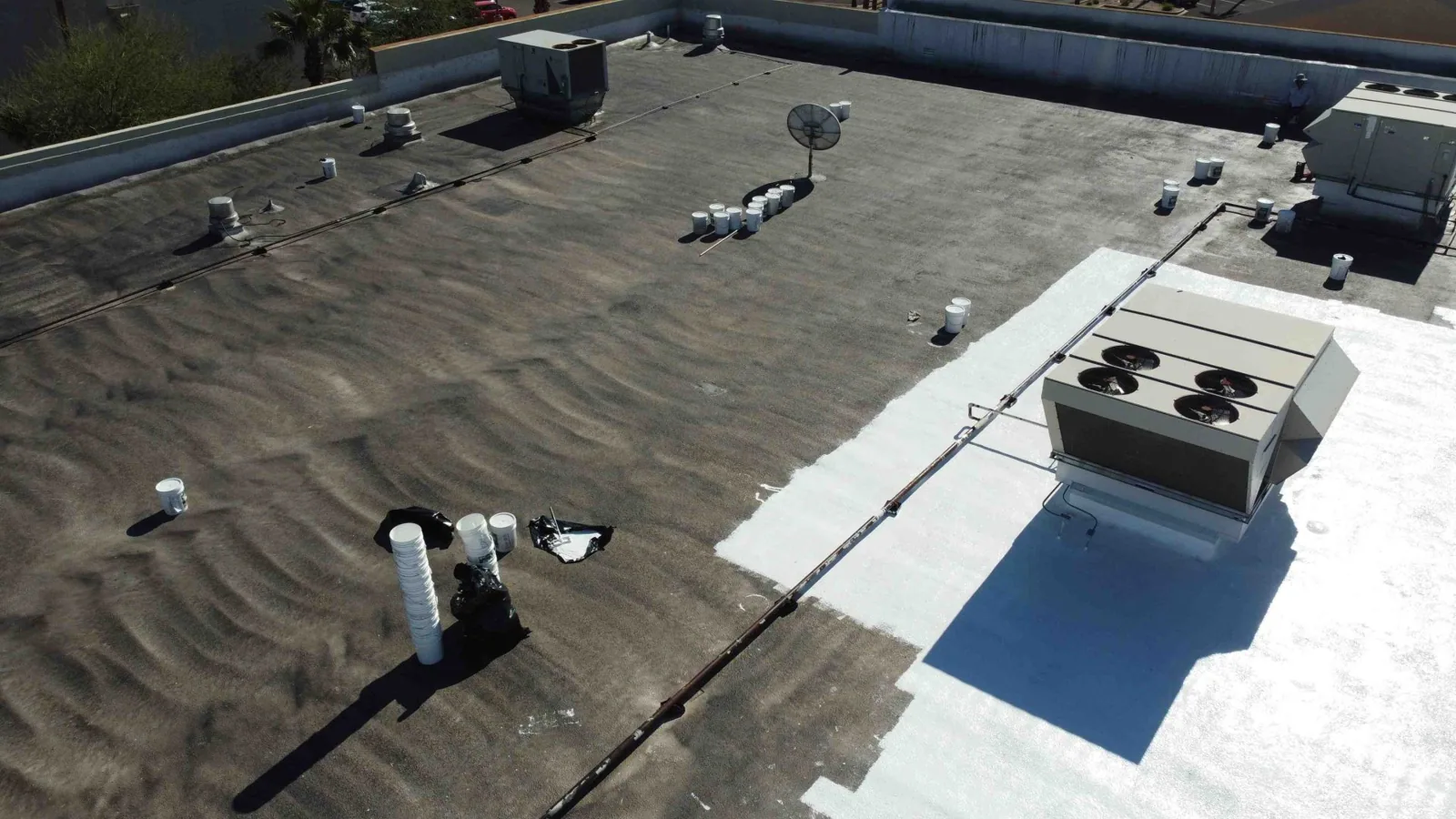
Mare Island includes office, retail, and industrial commercial spaces, while Sonoma-Broadway is named as a General Plan focus area. At each roof, the owner and site contact confirm how equipment, deliveries, or occupied spaces affect access. We mark roof zones and routes to drains, curbs, and seams. A commercial roof inspection gives the solar and facility teams a shared condition record.
Check Structure, Membrane, and Water Paths
A solar layout needs structural review for the proposed attachment or ballast loads. The roofing scope records membrane condition, known deck type, insulation, curbs, drains, and support or conduit locations. Roof appearance does not establish capacity. The design team evaluates loads and attachment; we document roof conditions and detail requirements so the mounting method leaves sealed penetrations and maintenance access. Confirm whether prior repairs or deck work changed the surfaces where supports are planned.
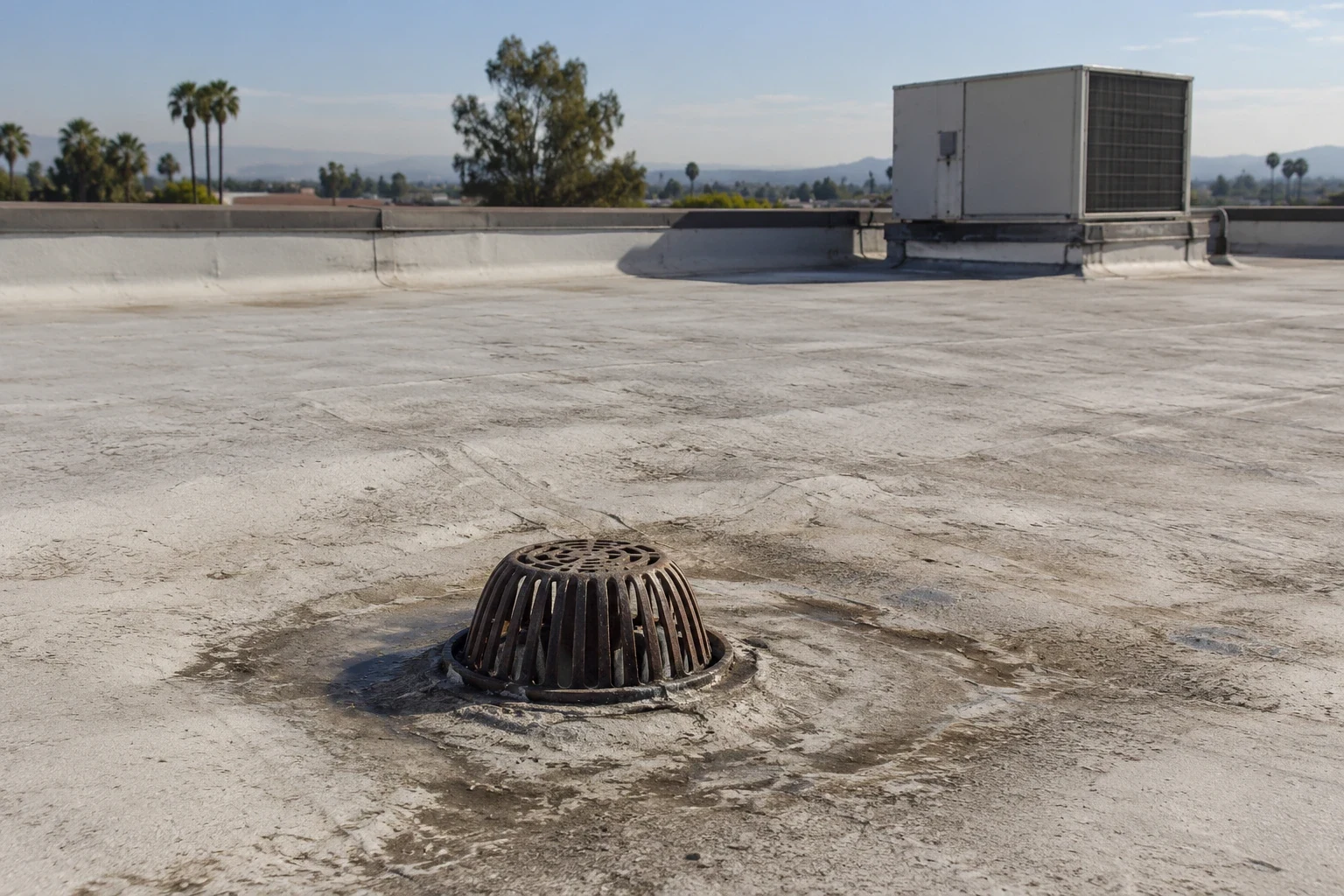
Drainage needs a clear route after the array is installed. Keep drains accessible and avoid support layouts that hide low areas. Published Vallejo station averages list zero rain in July and August. Array design still needs a roof-level drainage map with outlets kept accessible, plus a current weather check for installation scheduling. A drain and scupper review maps outlets, while a moisture survey may identify candidate areas for further evaluation. The array drawing should preserve a walkable route to the outlets.
Coordinate the Roof and Array Details
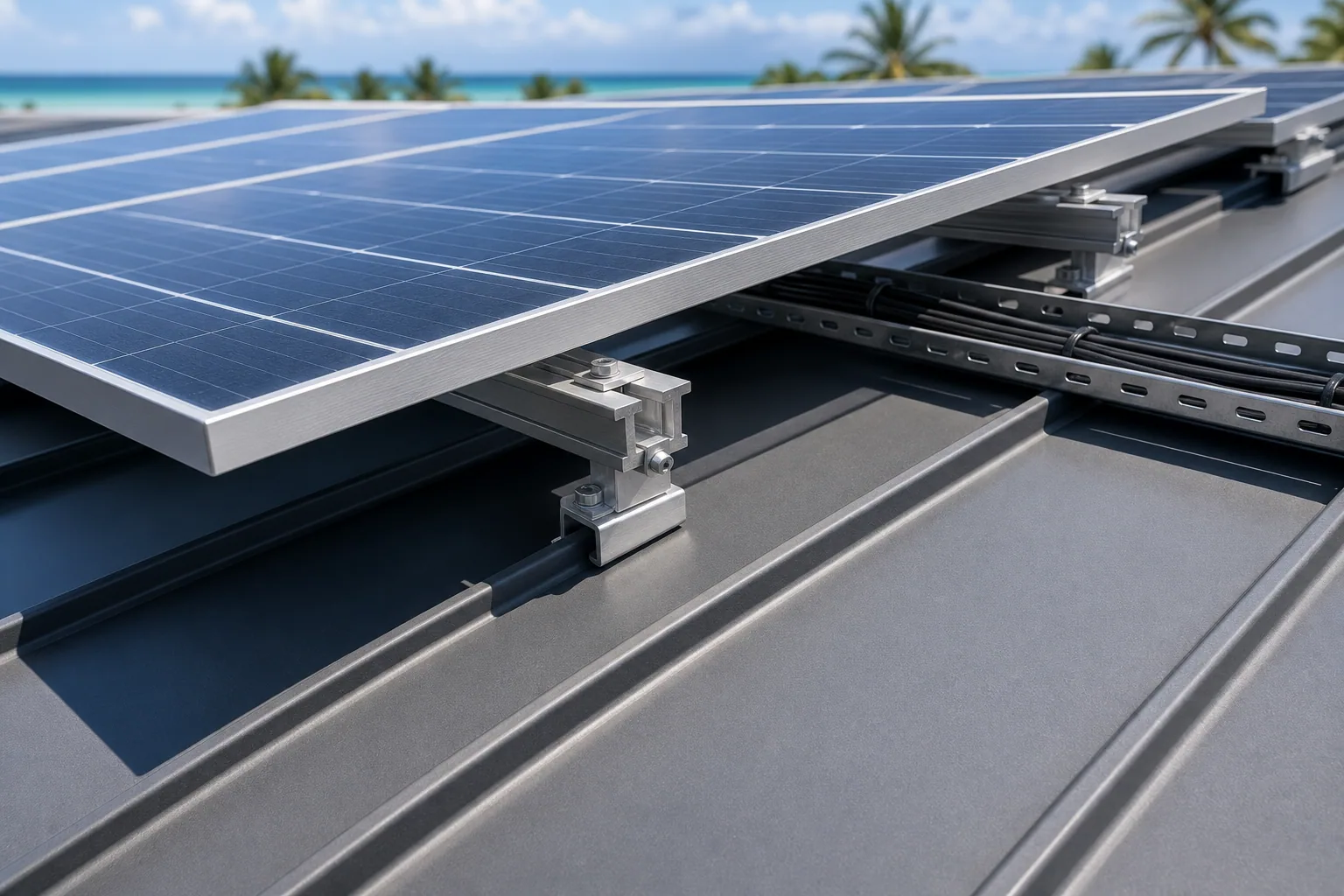
Supports may penetrate the roof or use ballast, depending on design and structural review. Drawings should show bases, conduit routes, flashing, protection pads, and access clearances. State who supplies sleeves, who installs the roofing transition, and how it will be inspected. For ballast, confirm protective layers and drainage. Name the membrane and compatible materials in the roofing scope. Include a detail for any boundary where wiring crosses a parapet or other roof transition.
Coordinate the layout with TPO roofing or the existing system before modules restrict access. If renewal is needed, compare replacement before solar with an eligible roof recover. Keep a service path to drains, edges, and equipment. A curb and equipment review can coordinate conductors with mechanical penetrations.
Put Roof Renewal on the Solar Schedule
Roof preparation changes the solar sequence and scope. Replacement before the array can avoid panel removal for later roof work; installing over a roof with limited service life can defer renewal into a more complex phase. Other drivers include deck repair, insulation, drainage, curbs, attachment details, electrical routing, and crane access. We identify work that should precede installation and assumptions needing design confirmation. The capital plan should reserve time for drawings to reflect the chosen roof and support detail. A solar-ready review identifies attachment zones, electrical coordination, access paths, and roof-condition questions to resolve before equipment is added. Before fixing array and reroof dates, confirm with the Building Division which code set applies to the permit submittal. Include the solar designer, structural reviewer, electrician, roofer, and facility contact where their decisions affect the roof.
Keep Roof Access Available After Solar
Agree on delivery, staging, lifting, and work over exposed areas. Protect the membrane from tools, concentrated loads, and cart travel. Confirm access, electrical shutdowns, crane setup, and interior protection. On an occupied property, stage work by zone and keep entrances open where possible. The site lead should track openings and close-in before the array crew proceeds. The roof contact needs a daily update if the path or equipment plan changes.
After installation, record how a roofer can reach drains, seams, and penetrations without dismantling an entire panel row. The owner should know who controls array removal and restores wiring during leak work. For urgent water entry, our response is available around the clock, all week and on holidays; permanent repair still needs coordinated access. Keep the solar layout and roof plan together.
Preserve Both Roof and Solar Records
At closeout, keep the roof assembly, installation date, membrane and flashing details, photographs, drains, supports, and conduit routes together. Record who installed each penetration and how later electrical work restores the roof. Note the solar vendor's removal and reset process and its roof-repair contact. Those details help future reviews assess both roof and equipment condition. Preserve approved drawings with any field changes marked.
The General Plan names Downtown/Waterfront and Mare Island as focus areas. Keep the roof and solar record tied to each property's actual uses and access conditions. Arrange a roof review with plans, repair history, solar drawings, access needs, and budget timing. We will identify work that belongs before installation and details needing a trade handoff. A condition report can support the capital decision, and waterfront roof planning starts with the actual assembly and access needs.
Commercial Roofing Questions
Should we replace the roof before installing solar panels?
Start with the assembly's observed condition and remaining service life. If planned roof renewal falls within the array's service period, replacing first may avoid later panel removal for roofing work. We document the roof condition and repair boundary; the solar and structural teams align that information with their design and schedule.
Can solar supports be attached through an existing membrane?
The mounting design and roof system determine the detail. Every penetration needs a compatible sleeve, curb, or support flashing installed with the membrane, then inspected before it is concealed. We coordinate responsibility for each transition and document the completed location so later leak service can find the right detail.
How do solar panels affect roof drainage and maintenance?
A panel layout can reduce access or collect debris if the supports and pathways are poorly placed. We review drain locations, low points, clearances, and the route needed for future inspection. The final plan should preserve practical access to outlets and show how a roof crew can reach service areas.
Who handles a roof leak after the solar array is installed?
The owner needs a clear contact path between the roofing contractor and the company responsible for the array. Leak work may require electrical isolation or panel removal before the membrane can be opened. Keep both contractors' service procedures and roof plans with the building record so access and repair authority are known.
What drawings are useful for a Vallejo solar-ready roof review?
Provide roof plans, array layout, structural review, electrical conduit routes, unit schedules, prior repairs, and any known leak locations. Include the intended installation sequence and access restrictions. For properties near Mare Island or the Vallejo Waterfront, confirm actual staging and equipment access during the site walk.
Review the Roof Before the Array
Arrange a roof review with available plans, repair history, solar drawings, access needs, and budget timing. We will document roof condition, detail requirements, and renewal work that should be scheduled before installation.
Request a Roof Assessment
Questions About Solar-Ready Commercial Roofing in Vallejo, CA
Common questions from building owners and property managers.
Should we replace the roof before installing solar panels?
Start with the assembly's observed condition and remaining service life. If planned roof renewal falls within the array's service period, replacing first may avoid later panel removal for roofing work. We document the roof condition and repair boundary; the solar and structural teams align that information with their design and schedule.
Can solar supports be attached through an existing membrane?
The mounting design and roof system determine the detail. Every penetration needs a compatible sleeve, curb, or support flashing installed with the membrane, then inspected before it is concealed. We coordinate responsibility for each transition and document the completed location so later leak service can find the right detail.
How do solar panels affect roof drainage and maintenance?
A panel layout can reduce access or collect debris if the supports and pathways are poorly placed. We review drain locations, low points, clearances, and the route needed for future inspection. The final plan should preserve practical access to outlets and show how a roof crew can reach service areas.
Who handles a roof leak after the solar array is installed?
The owner needs a clear contact path between the roofing contractor and the company responsible for the array. Leak work may require electrical isolation or panel removal before the membrane can be opened. Keep both contractors' service procedures and roof plans with the building record so access and repair authority are known.
What drawings are useful for a Vallejo solar-ready roof review?
Provide roof plans, array layout, structural review, electrical conduit routes, unit schedules, prior repairs, and any known leak locations. Include the intended installation sequence and access restrictions. For properties near Mare Island or the Vallejo Waterfront, confirm actual staging and equipment access during the site walk.