Commercial Roofing for Richmond Properties
Commercial roof inspection, repair, and capital planning across Richmond, with property-specific records for assembly, access, and water paths.
Why Commercial Roofing Vallejo?
Commercial Roofing for Richmond Properties
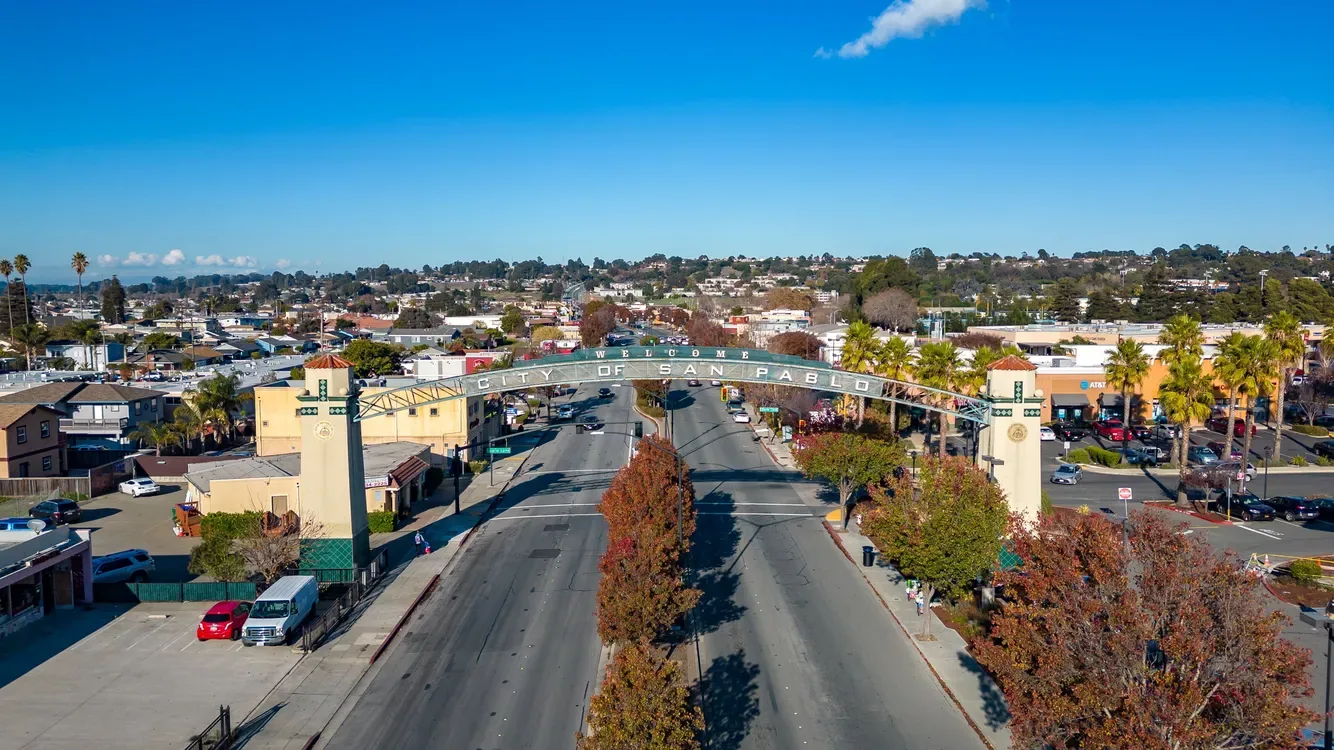
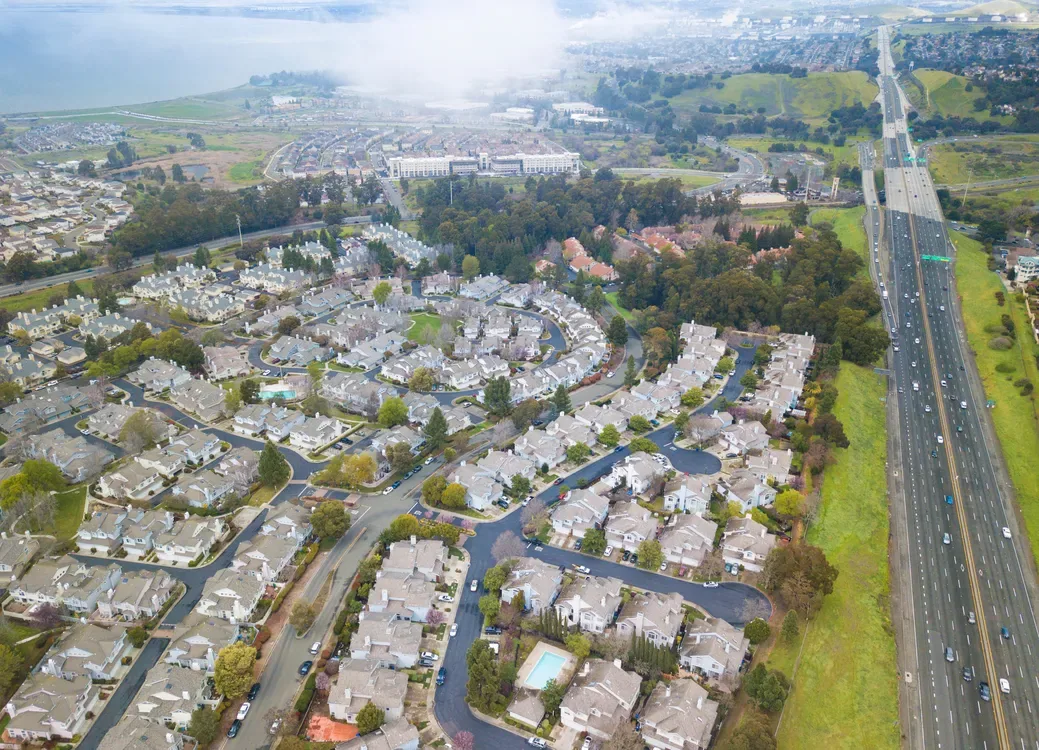
Richmond's Economic Development Department spans business development, real estate, arts and culture, environmental initiatives, and Port of Richmond functions. The City describes the Port as a maritime gateway for cargo, trade, local jobs, and related logistics services, while its economic-development planning also focuses on business investment and commercial districts. Those facts describe a varied municipal economy, not an inventory of roof systems or a relationship with a particular facility. Our service area is the city broadly; each roofing project requires owner authorization and a property-specific inspection. For regional comparisons, San Pablo and Pinole have separate municipal records. A commercial roof inspection starts at the actual asset.
Keep Port and Commercial-District Context Distinct
The Port of Richmond is described as a maritime gateway supporting cargo, trade, jobs, and related logistics. That context may be useful when an owner asks about a property with logistics operations, but it does not mean the Port itself is the service target or that a building is under a port operator's control. Richmond's broader economic-development functions include commercial-district and business investment work as well. Confirm which property is being reviewed, who owns it, and which contact may approve a roof visit.
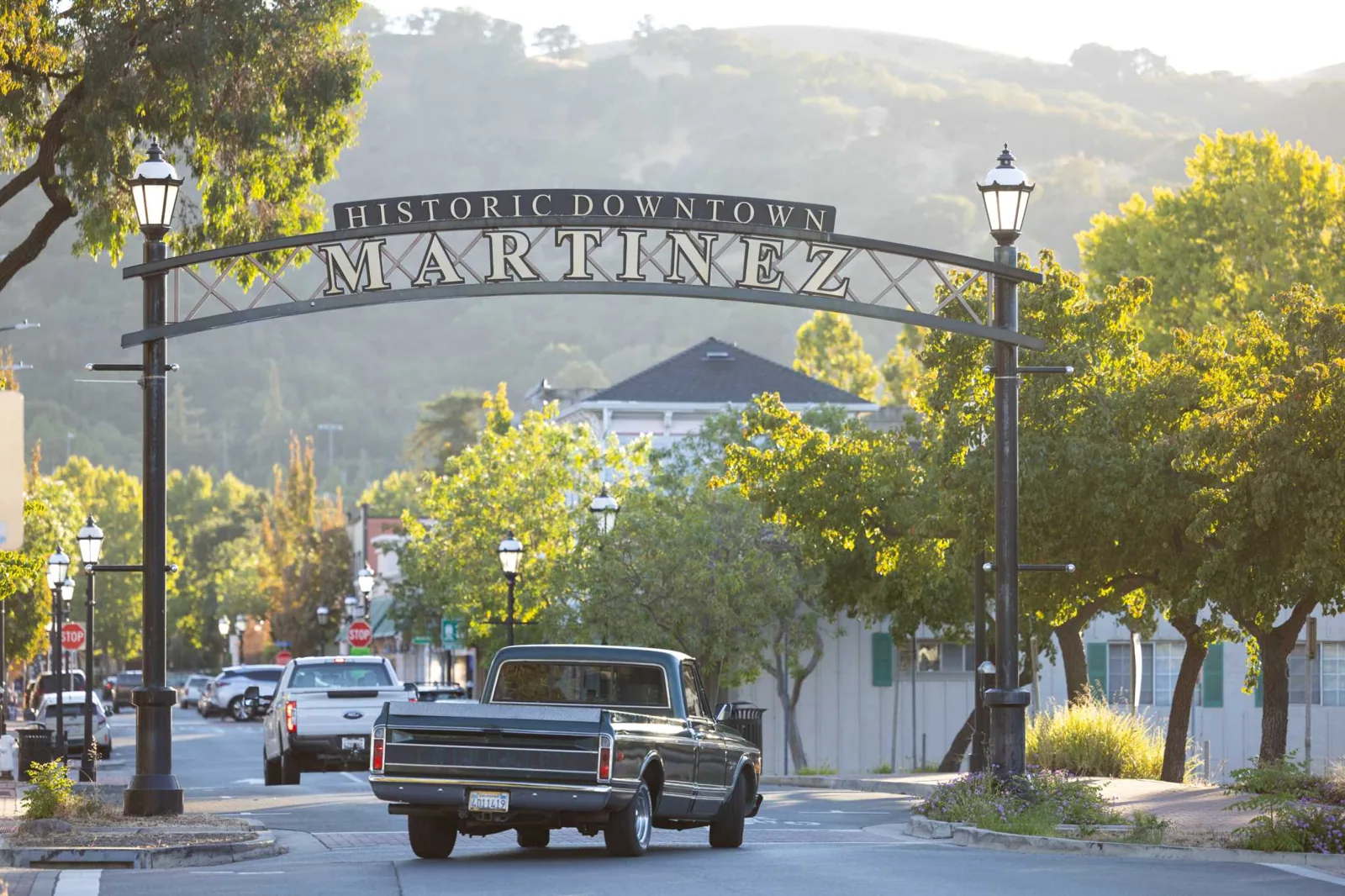
A site team supplies delivery routes, access credentials, escort rules, loading windows, equipment restrictions, and any safety orientation. If work intersects a port or other controlled operation, the authorized operator identifies the required coordination. Do not assume that a municipal economic page grants access or establishes a truck path. A Hercules property file or Martinez asset record can use common reporting fields without carrying Richmond's operational details across city boundaries.
Confirm the Assembly and the History Behind Each Report
Gather plans, service contracts, warranty documents, repair invoices, leak tickets, and dated photographs. Map each known condition by roof zone and note whether the report's room, date, or weather context is precise. Water may travel across a deck before reaching the reported interior spot. We separate the visible symptom from the likely entry path and state whether that path is confirmed, probable, or open. If prior repairs overlap, document their materials and edges before defining another removal area.
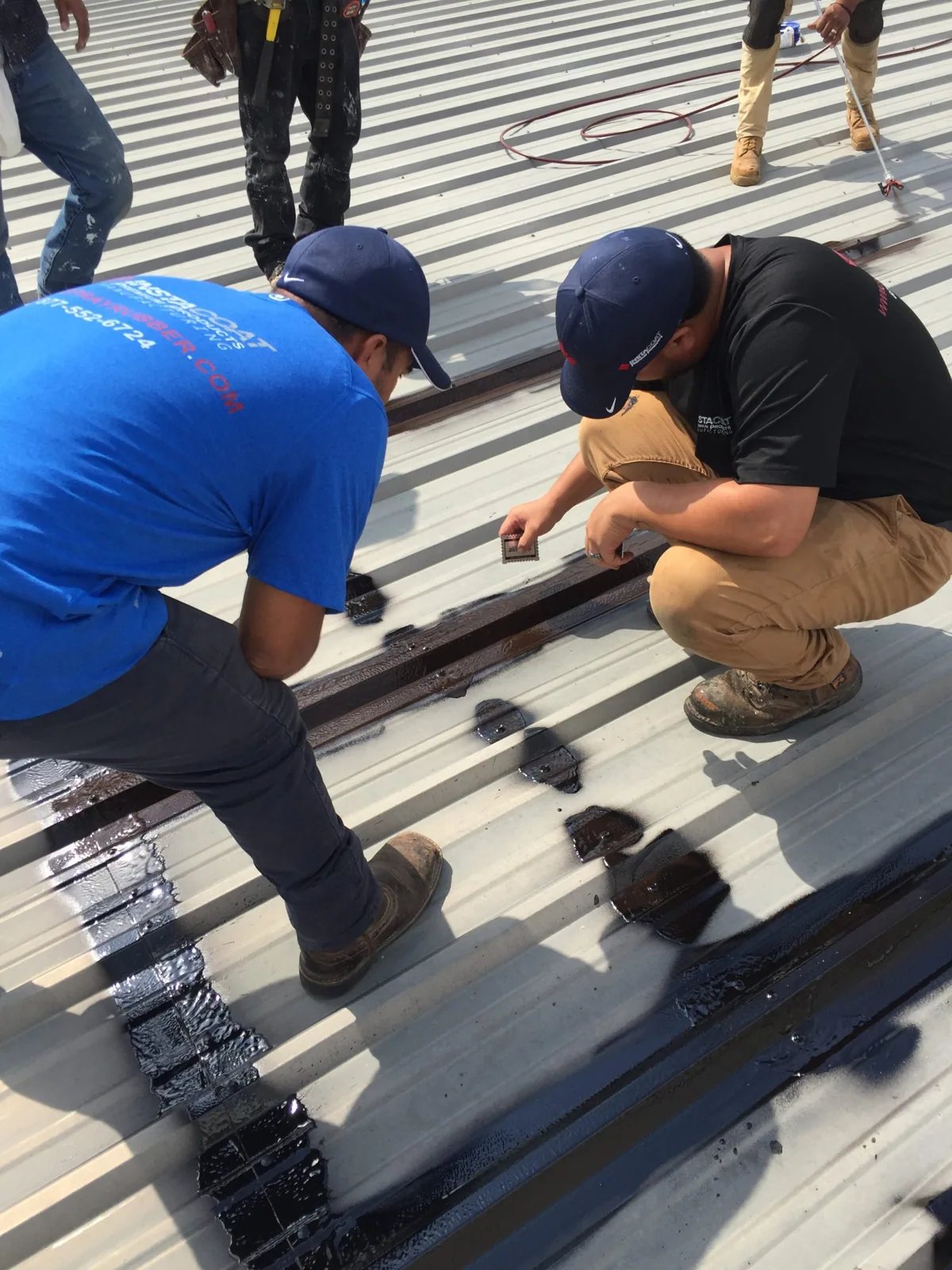
Verify the installed assembly rather than relying on the building's use. Membrane, metal, built-up, and coated systems need different checks. Note penetrations, curbs, seams, drain details, perimeter terminations, and equipment supports. If concealed moisture or attachment affects the work, request a test that answers a clear question. A moisture survey can help prioritize selective testing but needs field interpretation. For an isolated puncture, membrane puncture review can keep the repair bounded when surrounding material remains serviceable.
Map Water Movement Before Widening the Scope
Trace runoff from the roof field toward drains, scuppers, and outlets. Photograph debris, visible ponding, low spots, open seams, and interfaces that may redirect flow. Compare each location with interior reports, maintenance notes, and prior patches. A visual inspection can record conditions, but structural capacity and concealed layers may require a separate review. If the suspected path is not proven, list what follow-up observation or testing will distinguish the alternatives. This keeps an open question from being written as a confirmed cause.
A drain and scupper scope can address outlet details. A ponding-water review can document recurring low areas and additional evaluation needs. If a water path crosses from a wall or curb, use a flashing review to record the exact interface. Keep maintenance cleaning separate from construction repair so the owner can see what is immediate protection and what is a permanent correction.
Plan the Roof Visit Around Authorized Operations
Confirm who controls property access, which credentials are required, and whether an escort must remain with the crew. The site contact identifies operating windows, loading, material staging, roof access, and routes that need protection. On a controlled industrial or port-related site, follow its actual orientation and security process; do not infer requirements from a city description. If equipment moves or operations change, update the work plan with the authorized representative before crews mobilize.
For occupied buildings, define daily zones, temporary dry-in, protection below, cleanup, and handback. An occupied-building work sequence can protect tenant paths while roof work progresses. If the scope requires a lift, crane, or public-space use, the owner coordinates approvals with the relevant authority and operator. Mark any inaccessible roof zone and the permission needed for a later visit. That limitation belongs in the inspection record and proposal assumptions.
Before mobilization, put the agreed sequence in a short coordination sheet: work zone, roof-entry point, protection below, material arrival, temporary weather cover, and the person who can pause work. For multi-tenant properties, identify who receives notices and who may authorize a change. Keep loading, pedestrian, and emergency paths clear as the crew moves between zones. If a schedule depends on an operating window, record the owner-approved window and a fallback time. This practical check prevents a roofing plan from assuming that a citywide business or maritime profile predicts access at a particular building.
Compare Options by Condition, Access, and Service-Life Goal
A repair proposal identifies the roof zone, defect, removal depth, materials, tie-in, and exclusions. It states what concealed conditions could alter the quantity and who approves the change. A local repair may fit an isolated detail when surrounding material remains stable. Repeated callbacks or findings across multiple zones can support a larger renewal comparison. Keep the evidence for each option visible, including the test results or records that are still missing.
The repair option and replacement review should use the same condition map. Compare access disruption, equipment coordination, drain and edge work, tenant impact, repeat maintenance, and budget timing. If the system could support coating, check adhesion, substrate, existing layers, and water management first. A coating assessment can document those questions. The Port's role in city logistics does not decide which roofing system or capital path suits an individual building.
Retain a Building-Specific Record for Follow-Up
Closeout includes dated photographs, installed materials, repaired details, tests, warranties, exclusions, and open items. State which zones were inaccessible or not opened. If temporary protection remains, assign a check and follow-up trigger. Separate authorized work from recommendations not yet approved. A future facilities manager can use that record to compare another leak report with the original condition and determine whether the same water path or repair boundary applies.
For a Richmond commercial roof review, provide the building contact, access procedure, drawings, service history, leak reports, and budget window. We will document the identified assembly, map drainage and transitions, and return a repair or renewal scope tied to the property. Citywide economic and port context helps orient the service area; current operator rules and field observations establish the actual work plan.
Commercial Roofing Questions
Does the service area include only the Port of Richmond?
No. The target is the broader city. The Port is one municipal economic context, not a single-facility service target or an assumed client.
Does the Port's maritime role establish access for roof work?
Access is confirmed by the authorized owner or operating contact, who can specify credentials, escort, work hours, delivery rules, and restrictions. Richmond's maritime context does not establish any of those conditions for an individual property.
Can Richmond's economic-development information identify a roof system?
No. It describes city functions and economic context. Roof materials must be identified from current plans, records, field observation, or approved testing.
How are controlled-site requirements handled?
The authorized property or operating contact supplies current rules and approves the visit plan. The roofing scope should state any access condition still pending.
What makes a roof closeout usable across multiple properties?
Keep dated photographs, repair details, materials, access limits, open tests, and warranties tied to one building. Similar fields support comparison without merging records.
Build a Roof Scope Around the Authorized Site
Provide the property contact, access rules, repair history, roof plans, and current leak locations. We will document conditions and set the next decision boundary.
Request a Roof Assessment
Questions About Commercial Roofing for Richmond Properties
Common questions from building owners and property managers.
Does the service area include only the Port of Richmond?
No. The target is the broader city. The Port is one municipal economic context, not a single-facility service target or an assumed client.
Does the Port's maritime role establish access for roof work?
Access is confirmed by the authorized owner or operating contact, who can specify credentials, escort, work hours, delivery rules, and restrictions. Richmond's maritime context does not establish any of those conditions for an individual property.
Can Richmond's economic-development information identify a roof system?
No. It describes city functions and economic context. Roof materials must be identified from current plans, records, field observation, or approved testing.
How are controlled-site requirements handled?
The authorized property or operating contact supplies current rules and approves the visit plan. The roofing scope should state any access condition still pending.
What makes a roof closeout usable across multiple properties?
Keep dated photographs, repair details, materials, access limits, open tests, and warranties tied to one building. Similar fields support comparison without merging records.