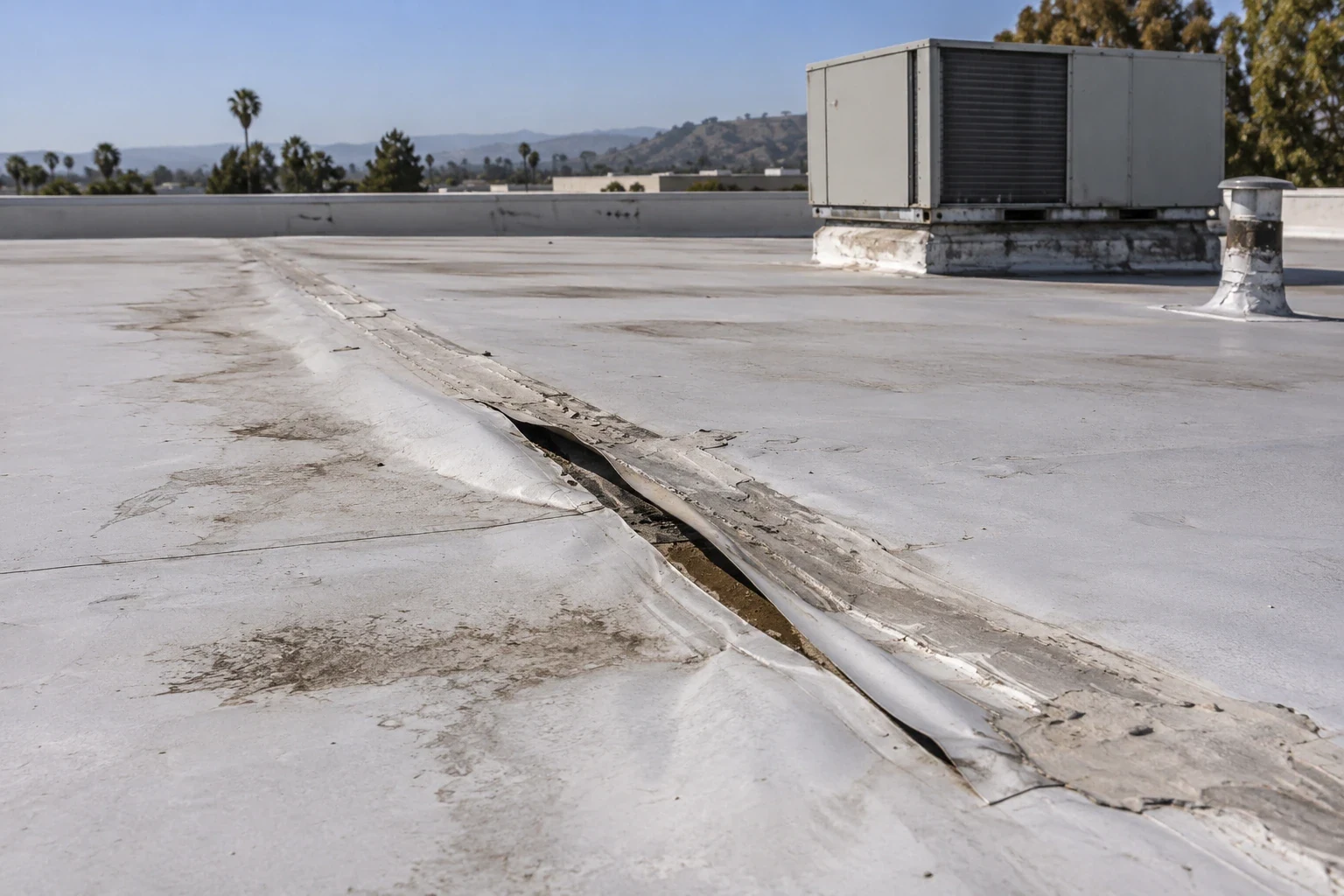
Commercial Roofing for San Pablo Properties
Commercial roof inspections and repair planning across San Pablo, with site conditions, maintenance history, access, and scope records.
Why Commercial Roofing Vallejo?
Commercial Roofing for San Pablo Properties
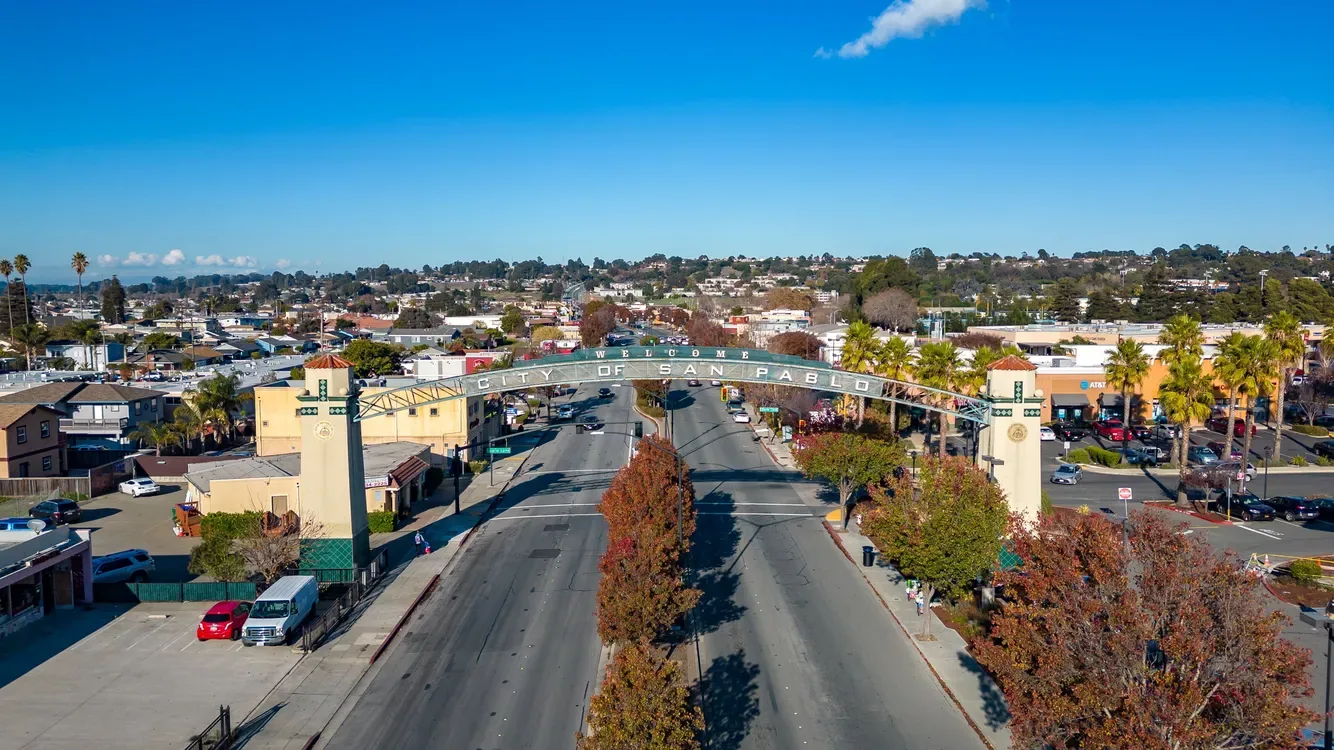
Commercial properties in San Pablo need a building-level roof review, even when a portfolio includes sites in the Rumrill Corridor Plan area. San Pablo's 2035 planning framework updates long-range policies for jobs, shopping, land use, and circulation; more than 135 sites have updated designations, many within the Rumrill Corridor area. That context can inform an owner's planning horizon, while inspection and authorized access set the immediate repair scope. The service area is the municipality of San Pablo, and each scope requires a specific building and owner-authorized access. For nearby portfolios, Richmond and Hercules should retain separate fact and access records. A commercial roof inspection documents the property itself.
Keep General Plan Designations Separate From Roof Findings
The 2035 General Plan updates policy for jobs, shopping, land use, and circulation. Its mapped designations include more than 135 sites, many within the Rumrill Corridor Plan area. San Pablo's 2024 Economic Development Strategy also focuses on workforce opportunities and revitalizing and diversifying older commercial and industrial areas. Those objectives help frame longer-range property planning; the owner confirms current use, project timing, and any funding decision. A property owner confirms current use, timing, and access before we write a scope.
For a roof project, the relevant planning fact may be an open question about parcel boundaries or a confirmed project schedule. Record it separately from roof observations. Confirm roof entry, escorts, business hours, loading, staging, and customer or employee routes with the site contact. If a parcel is in a corridor plan, check the current plan and property status rather than infer boundaries from the street name. A Sonoma Boulevard corridor record in Vallejo is an example of why similar land-use topics should not be transferred between municipalities.
Collect Plans, Repairs, and Reported Leak Locations
Before the site walk, gather roof plans, warranty files, invoices, repair proposals, leak tickets, and dated photographs. Place known work on a roof-zone map. Record the date and room for each interior report, then compare it with seams, drains, curbs, penetrations, and earlier repairs. A wet ceiling can be displaced from the entry point by deck geometry or a transition. We distinguish what is observed from what is suspected and list the next test needed when the path remains unresolved. If the roof age is not supported by records, leave it as unknown.
Verify the installed assembly using current documents and field observation. An older plan may omit a recover layer or equipment change. Mark which areas were accessible and what was confirmed. A moisture survey can help select candidate test areas where appropriate. If a seam is suspect, a seam review can define a targeted detail scope. Do not use land-use designations to infer membrane type, attachment, or remaining service life.
Record Outlets and Transitions That Control Water
Map the route from the roof field to drains, scuppers, and discharge points. Photograph low areas, debris, outlet bowls, flashing, parapets, edges, and transitions. Note ponding observations and whether they persist after normal drainage time. Compare the locations with interior reports and repair history. A field observation should not be stated as a structural conclusion or a moisture finding unless testing supports it. Where more than one path could explain a leak, state each plausible connection and the evidence needed to narrow the scope.
A drain and scupper assessment can address an outlet detail. A recurring low area may call for a ponding-water review and further evaluation. Keep maintenance cleaning, permanent membrane work, and any design question distinct. If a roof-to-wall junction appears open, document the tie-in and adjacent materials before setting a removal limit. This helps the owner avoid paying for a repair that stops short of the detail controlling the water path.
Confirm the Work Window and Site Authority
Confirm roof access, escorts, work hours, loading, material storage, staging, and routes to keep clear with the property representative. If another contractor controls equipment or a penetration, identify the person who can release it. Area designation does not grant roof access or determine a tenant's schedule. When a job uses public space, the owner confirms current permission and coordination with the relevant authority. The approved access plan should name who will respond if weather, deliveries, or site conditions change.
For an occupied property, divide work into daily zones and state temporary dry-in, protection below, cleanup, and handback. An occupied-building sequence can reduce interference with ongoing operations. If an area cannot be reached safely, list the access restriction and the next step needed. Do not report an inaccessible roof zone as inspected. This gives the owner a clear record of which recommendations cover confirmed observations and which remain contingent on a future visit.
Tie Repair and Renewal Options to the Same Map
A repair boundary should identify the location, observed defect, materials, removal depth, tie-in, exclusions, and concealed-condition approval path. It should state why work stops at the proposed edge and what new finding would expand it. A localized defect may call for a contained repair when adjacent layers remain serviceable. Repeated reports, failed transitions across zones, or moisture confirmed by testing may support a broader renewal comparison. The proposal should separate confirmed quantities from allowances and identify who approves a change.
A defined repair and a broader renewal comparison should share one roof map and access assumption. Compare service-life objective, repeat maintenance, tenant impact, staging, and budget timing. If a coating or recover is considered, verify existing layers, substrate, adhesion, drainage height, and warranty conditions. A restoration assessment can identify compatibility questions before a system is selected. Land-use policy does not dictate the technical scope for a roof.
Preserve the Property's Condition Trend
At closeout, retain date-stamped photographs, completed work zones, materials installed, test results, drains and details addressed, warranties, and unresolved items. State what was not accessed, opened, or tested. If temporary protection remains, identify the responsible contact and a follow-up trigger. These records help a later manager compare roof condition without confusing completed construction with a proposed project or open maintenance item.
For a San Pablo roof review, provide roof plans, prior repair history, leak dates and locations, access rules, the property contact, and budget timing. We will document the accessible assembly, map the water path, and define a repair or renewal option with a visible boundary. The property record and field evidence determine the roofing decision. Keep a dated copy of the approved scope and any field change with the inspection photos.
Commercial Roofing Questions
What does San Pablo’s long-range planning context mean for a roof budget?
It may shape an owner’s time horizon for an asset, but it does not establish a roof assembly, condition, or confirmed project schedule. Use current property records and a field review to set the roofing scope.
Does an updated land-use designation confirm current building use?
No. Confirm the current use and property contact with the owner before setting access or work timing. A designation is area context, not evidence about the roof or the people using a particular building.
Does long-range economic planning confirm a project at a specific property?
No. It provides broader context for workforce and commercial-area priorities. Confirm any individual project status and schedule with its owner before connecting it to a roof budget or access plan.
Can corridor plan status be used to select a roofing system?
No. System selection depends on the installed assembly, field conditions, compatibility, and approved testing, not land-use policy.
How should an owner prepare for an inspection?
Provide plans, repair invoices, leak locations, roof access rules, and a current site contact. This helps identify open questions and the correct work window.
Make the Next Roofing Decision From Verified Site Facts
Share roof records, repair history, leak reports, access details, and budget timing. We will document conditions and scope the next step.
Request a Roof Assessment
Questions About Commercial Roofing for San Pablo Properties
Common questions from building owners and property managers.
What does San Pablo’s long-range planning context mean for a roof budget?
It may shape an owner’s time horizon for an asset, but it does not establish a roof assembly, condition, or confirmed project schedule. Use current property records and a field review to set the roofing scope.
Does an updated land-use designation confirm current building use?
No. Confirm the current use and property contact with the owner before setting access or work timing. A designation is area context, not evidence about the roof or the people using a particular building.
Does long-range economic planning confirm a project at a specific property?
No. It provides broader context for workforce and commercial-area priorities. Confirm any individual project status and schedule with its owner before connecting it to a roof budget or access plan.
Can corridor plan status be used to select a roofing system?
No. System selection depends on the installed assembly, field conditions, compatibility, and approved testing, not land-use policy.
How should an owner prepare for an inspection?
Provide plans, repair invoices, leak locations, roof access rules, and a current site contact. This helps identify open questions and the correct work window.