Commercial Roofing on Tennessee Street in Vallejo, CA
Commercial roof assessments along Vallejo's Tennessee Street corridor, with building-specific leak tracing, access coordination, and scope records.
Why Commercial Roofing Vallejo?
Commercial Roofing on Tennessee Street in Vallejo, CA
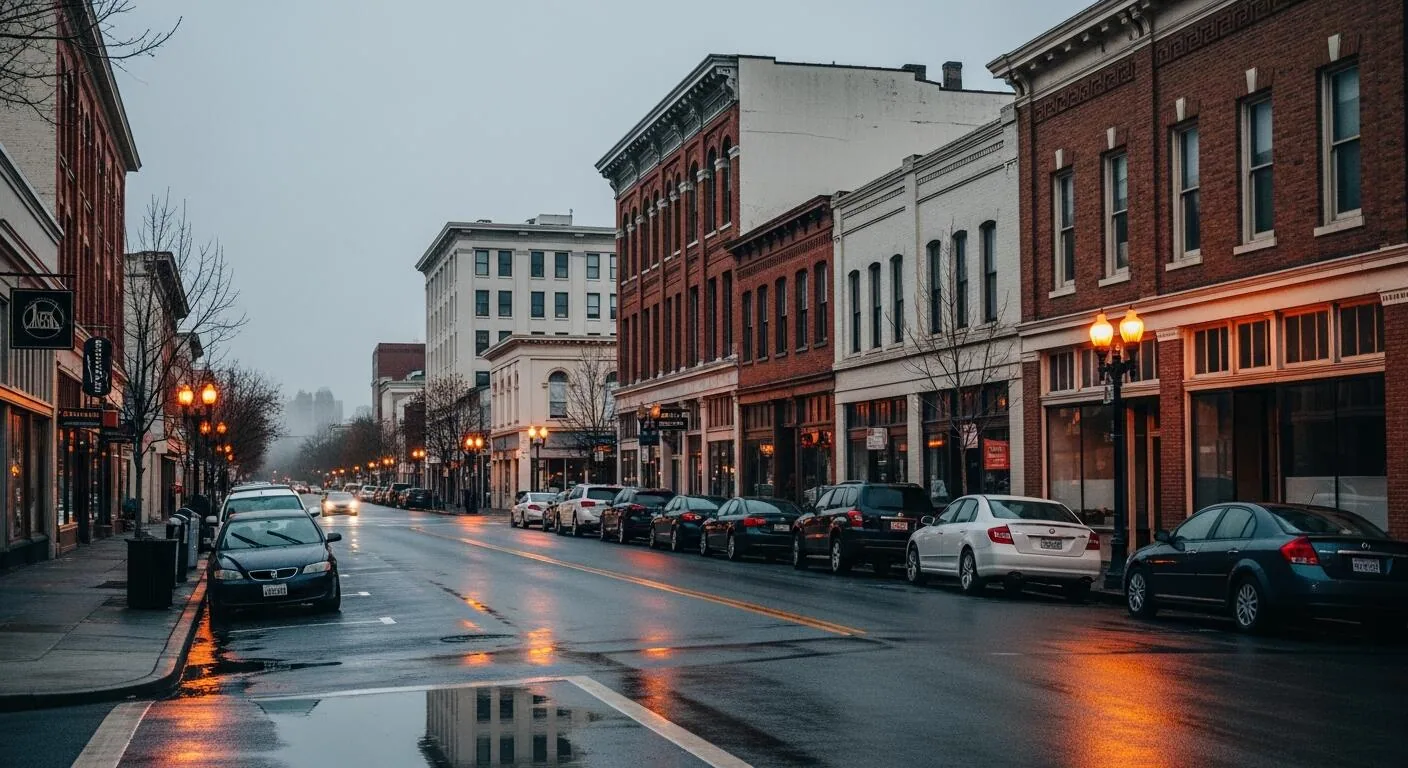
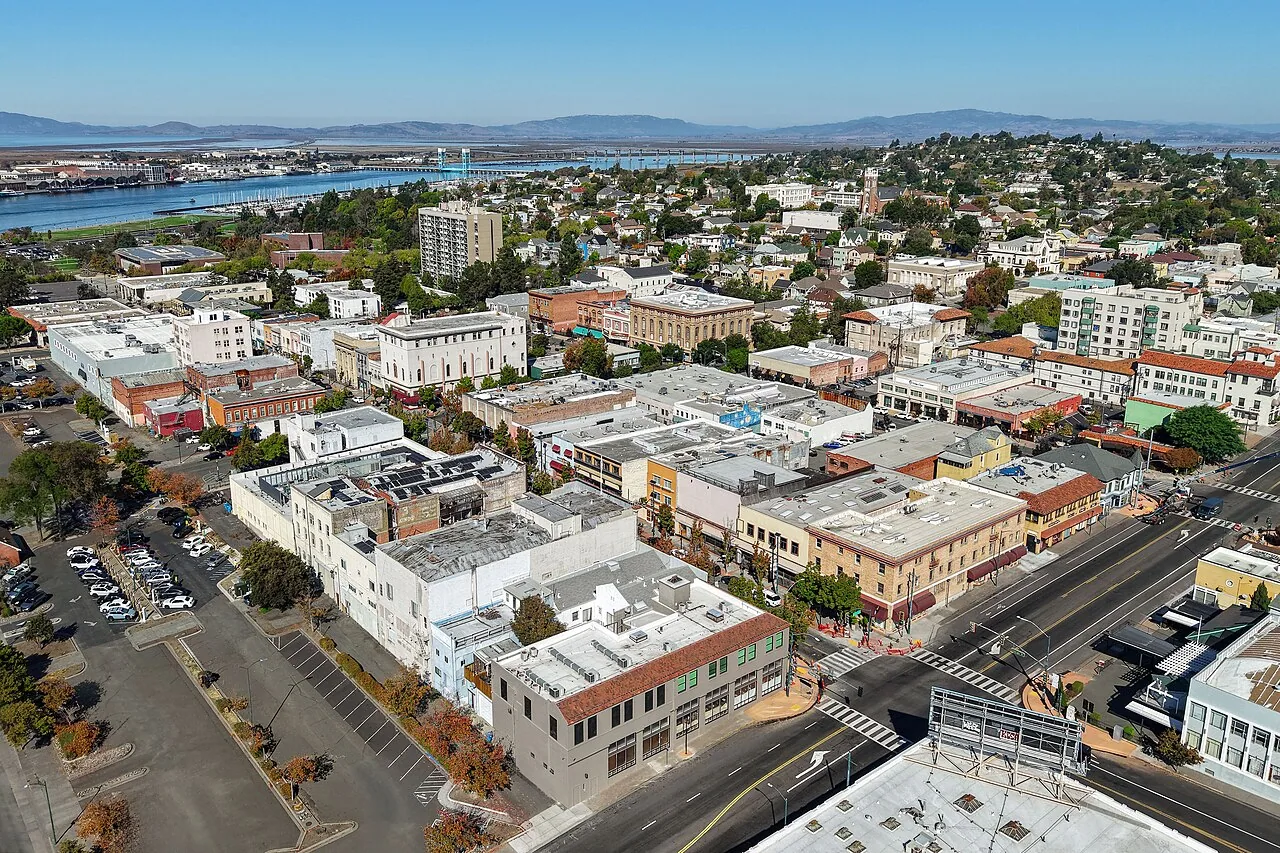
Commercial roofs along Tennessee Street need a site-specific access review because delivery and loading conditions can change the work sequence. Two roadway segments cover Rollingwood Drive to Broadway and Admiral Callaghan Lane to Oakwood Avenue. The truck-access route includes Highway 29, Curtola Parkway, and Mare Island Way; current road conditions and any detour need confirmation before delivery. Roof assembly and condition still require building-level review. We verify each property with its owner and prepare a building-specific condition map. For nearby portfolio groups, Springs Road and Admiral Callaghan Lane remain separate service areas. A commercial roof inspection starts from the actual asset and authorized access.
Verify the Current Site Route Before Mobilizing
Road work can affect a route plan, so check today’s lane, curb, loading, and construction conditions before a crew arrives. The owner or site contact confirms the property entrance, permitted staging, delivery hours, roof access, and protected pedestrian paths. A published construction truck route does not authorize a roofing vehicle to use a particular street or property. If a lift or material drop requires street use, the responsible party obtains current approval and coordinates with the relevant authority. The work plan records a primary and alternate access arrangement.
Document how deliveries move from the approved drop to the roof, which entrances remain usable, and who can stop work if access changes. Keep customer or employee paths clear and secure materials at the end of the shift. Where deliveries use shared driveways, confirm each property’s turning, unloading, and staging limits with its owner. For a building near Downtown Vallejo, a separate district record can organize that asset without copying access assumptions from Tennessee Street.
Use Leak and Repair Records as Evidence
Collect drawings, warranty files, repair invoices, leak logs, and photos before the roof walk. Plot each interior report by date and room, then compare it with roof seams, transitions, curbs, penetrations, drains, and previous repair edges. A ceiling stain may be offset from the opening by deck flutes, framing, piping, or water travel along a membrane interface. We label the suspected path as confirmed, probable, or unresolved. If a report lacks enough detail to locate the issue, we state what additional information is needed rather than assigning a repair limit by guesswork.
Where a prior patch overlaps a new symptom, inspect the tie-in and adjacent material rather than assuming the old work caused the leak. Record the repair material and condition, plus any changes in rooftop equipment since that visit. A flashing review can isolate one transition. A moisture survey may identify candidate zones for selective testing; readings are not a replacement for exposure or material verification when concealed conditions control the scope.
Confirm the Assembly and Detail Interfaces
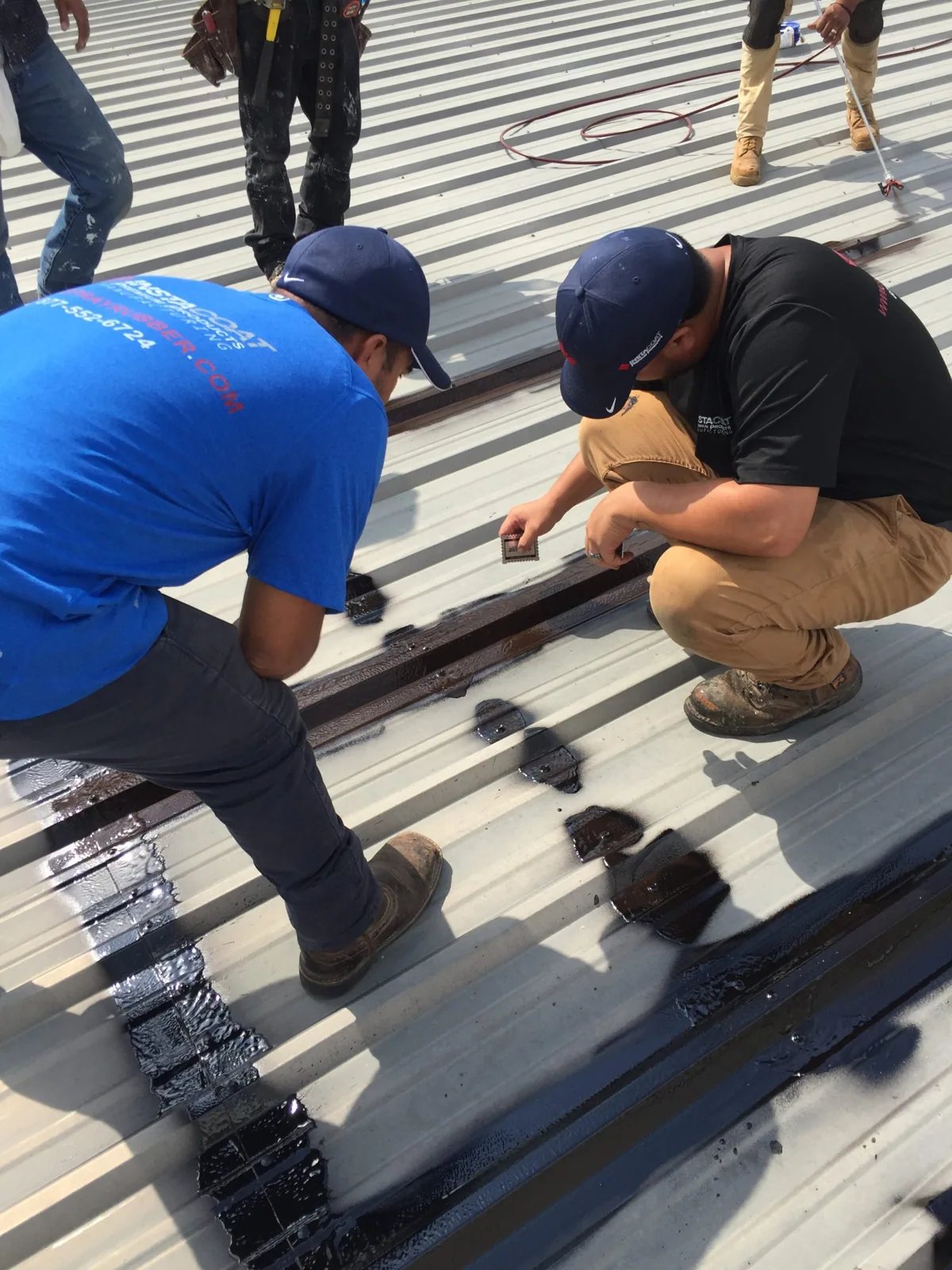
Identify the roof system from current plans, service records, and accessible field observations. Mark the assembly as confirmed only when the evidence supports it. A roof may have a recover layer, prior coating, or local replacement not shown in older drawings. We inspect seams, laps, terminations, roof-to-wall details, edge metal, drains, scuppers, penetrations, equipment curbs, and supports. Photograph each location with context so it can be found during follow-up. If an opening is needed, define the question, get owner approval, and document how the sample location is restored.
Water movement is part of the assembly review. Note outlet condition, visible debris, slope direction where apparent, ponding observations, and any low area that may relate to interior reports. A drain and scupper review can scope an outlet correction. A ponding-water assessment can examine a recurring symptom. We keep visible observations separate from structural capacity or engineering conclusions that require another professional.
Sequence Work With the Property Contact
Before work begins, confirm operating hours, tenant access, deliveries, roof hatch or ladder, escorts, staging, and routes that remain open. If roofing and another trade share a curb or penetration, name who owns the interface and when the area can be closed. The proposal should state temporary weather protection and the end-of-day condition. For a property that remains in use, phased reroofing coordination can divide the roof into manageable areas. Work should stop if an unplanned access condition creates a safety or weather exposure that the approved sequence does not address.
The plan also identifies cleanup, debris handling, and who accepts each completed zone. If a road or loading route changes, use the alternate method confirmed with the site representative. Avoid assuming that a nearby transportation project means work can use its staging or detour. Those logistics require current confirmation. This planning keeps an otherwise sound roof scope from being disrupted by unapproved vehicle movement or blocked tenant paths.
Compare a Bounded Repair With a Broader Renewal
Repair and replacement options should use the same roof map and access assumptions. A replacement scope may include tear-off, substrate review, insulation, drainage, edge metal, equipment coordination, and closeout. If a coating is under consideration, first verify compatibility, adhesion, layer count, drainage height, and warranty implications. A condition report can capture those checks. Compare service-life objective, repeat maintenance, tenant impact, and budget timing, not just the first repair cost.
Closeout should include the completed zones, materials installed, details reset, and any area that remains inaccessible or untested. Photograph transitions and drainage points before they are covered, then tie the images to the roof plan. If water control depends on a temporary measure, name the responsible contact and date for follow-up. For occupied sites, note which entrances or work areas were affected and whether the planned sequence changed. A concise record lets a facilities team distinguish finished scope from a monitoring item and gives the next contractor enough context to avoid reopening settled questions.
Keep the Work and the Corridor Facts Separate
Closeout materials include dated photographs, completed zones, materials installed, drains and transitions addressed, warranties, test results, and remaining open items. Identify what was not accessed or tested. If temporary protection remains, record its monitoring and follow-up needs. The next facilities reviewer should be able to trace the work boundary without assuming that a city street project proves the roof work was complete or that another property has the same conditions.
For a Tennessee Street commercial roof review, share roof plans, service history, leak reports, access approval, and the site's confirmed work schedule. We will document the accessible assembly, map details and drainage, and return a repair or renewal scope with visible limits. City corridor facts help orient the service area; the building's records and field observations drive the roofing recommendation. We retain dated photographs for comparison.
Commercial Roofing Questions
Does the truck-route notice authorize roofing deliveries?
No. It describes public routing context for construction activity. A roofing crew still needs property approval and any permits or traffic coordination required for the current delivery plan.
Which Tennessee Street pavement segments are documented?
A separate project reconstructed pavement and replaced curb ramps and sidewalk components from Admiral Callaghan Lane to Oakwood Avenue; its final contract was $1.37 million. Vallejo’s FY 2021-2022 capital plan listed a Rollingwood Drive-to-Broadway rehabilitation segment at $900,000. These are historic roadway scopes, not current delivery approvals or a commercial-property inventory.
How do you handle a roof area that cannot be accessed?
Mark it as unreviewed, explain why, and identify the person or permission needed for a later visit. Do not assign it a confirmed condition until access is obtained.
Can a leak be traced from an interior stain?
The stain is a useful lead. We compare its location and timing with roof details, drainage, and prior repairs, then record whether the likely water path has been confirmed.
What makes a repair proposal decision-ready?
It identifies the roof zone, observed condition, tie-in, removal depth, access plan, exclusions, and concealed-condition process. The owner can then compare it with renewal using the same evidence.
Confirm the Route, Then Review the Roof
Provide the property contact, current access instructions, roof plans, and repair record. We will document conditions and define the next repair or renewal scope.
Request a Roof Assessment
Questions About Commercial Roofing on Tennessee Street in Vallejo, CA
Common questions from building owners and property managers.
Does the truck-route notice authorize roofing deliveries?
No. It describes public routing context for construction activity. A roofing crew still needs property approval and any permits or traffic coordination required for the current delivery plan.
Which Tennessee Street pavement segments are documented?
A separate project reconstructed pavement and replaced curb ramps and sidewalk components from Admiral Callaghan Lane to Oakwood Avenue; its final contract was $1.37 million. Vallejo’s FY 2021-2022 capital plan listed a Rollingwood Drive-to-Broadway rehabilitation segment at $900,000. These are historic roadway scopes, not current delivery approvals or a commercial-property inventory.
How do you handle a roof area that cannot be accessed?
Mark it as unreviewed, explain why, and identify the person or permission needed for a later visit. Do not assign it a confirmed condition until access is obtained.
Can a leak be traced from an interior stain?
The stain is a useful lead. We compare its location and timing with roof details, drainage, and prior repairs, then record whether the likely water path has been confirmed.
What makes a repair proposal decision-ready?
It identifies the roof zone, observed condition, tie-in, removal depth, access plan, exclusions, and concealed-condition process. The owner can then compare it with renewal using the same evidence.